



Soft ceramic tiles,can be called flexible tiles.It is a new energy saving high-tech ecological decoration material with state specia support and dozens of patents. It adopts natural modified mineral powder as aggregates, green plant fiber and other natural polymers as reinforced materials, and is formed through light enzyme irradiation reaction. The whole production process realized zero emission and zero pollution and usually used on the building exterior wall.The best advantage is it can be pasted on curved surface,like Roman column.It's not only used outside,it can also be used on the floor or wall inside house.
Types of Flexible Tile


Advantages of Flexible Tile
Flexible
Flexible tiles is made of Modified clay,which makes it elastic and flexible.It changes the hard,heavy and fragile feature of traditional tiles.The flexible texture allows the flexible tiles to show more unique design patterns and effects.
Light and thin
Flexible tile can be made into 2-4mm thickness,3-6kg/sqm.Compared with hard tiles,flexible tiles can save the cost of shipping and stock about 80%.
Short production cycle
The production of flexible tile is one-step molding,about 7 days can finish production.Compared with the traditional hard ceramic tile,save about 70% time.
Environmental Friendly
From production to application,flexible tiles can save energy and reduce consumption 80%;since it can be recycled,it can be reduced to be powder,turned into clay.
Temperature and humidity regulation
Flexible tile can make the surrounding temperature fluctuation tend to normal,and provide a stable and comfortable indoor environment by absorbing and releasing environmental heat.
Simulation
One of the main characteristics of flexible tile is its rich appearance. The color of flexible tile can be provided by natural mud color or inorganic mineral pigment, and any color can be mixed according to needs. Its surface texture can be obtained by mold, and can be made into imitation natural stone grain, wood grain, skin grain and so on. In addition, the special surface treatment technology makes it get vivid simulation effect.
Why Choose Us
One-stop solution
We can offer a range of services, from consultation and advice to product design and delivery. It is a convenience for the customers, as they can get all the help they need in one place.
Professional team
We have also built a strong team of professionals with extensive experience as experts in products, marketing and services.
High quality
Our products are manufactured or executed to very high standards, using the finest materials and manufacturing processes.
Our services
We are confident that our customer can grow rapidly with our expert service. We will improve and grow together.
Step-by-Step Instructions for Using Flexible Tile Adhesive
Surface preparation
The first step is to make sure the surface is clean, dry and free of loose particles. Pre-treat or repair if necessary.
Mixing adhesive
Mix the flexible tile adhesive according to the manufacturer's instructions. This usually means stirring the powder into clean water until a lump-free paste forms.
Applying glue
Use a notched trowel to spread the glue evenly over the surface. The size of the trowel teeth should match the size of the tile.
Allow to cure
Allow the adhesive to cure according to the manufacturer's instructions. Do not touch the tile or apply any pressure to it during this time.
Laying the tile
Place the tile in the fresh adhesive and press firmly. Note the correct spacing of the joints.
Grouting
Once the adhesive has fully cured, you can fill the joints with grout.
Design Trends in Resilient Porcelain Tile
Concrete effect tiles
Inspired by industrial design, concrete look tiles have a modern, minimalist look, often with subtle textures and color variations.

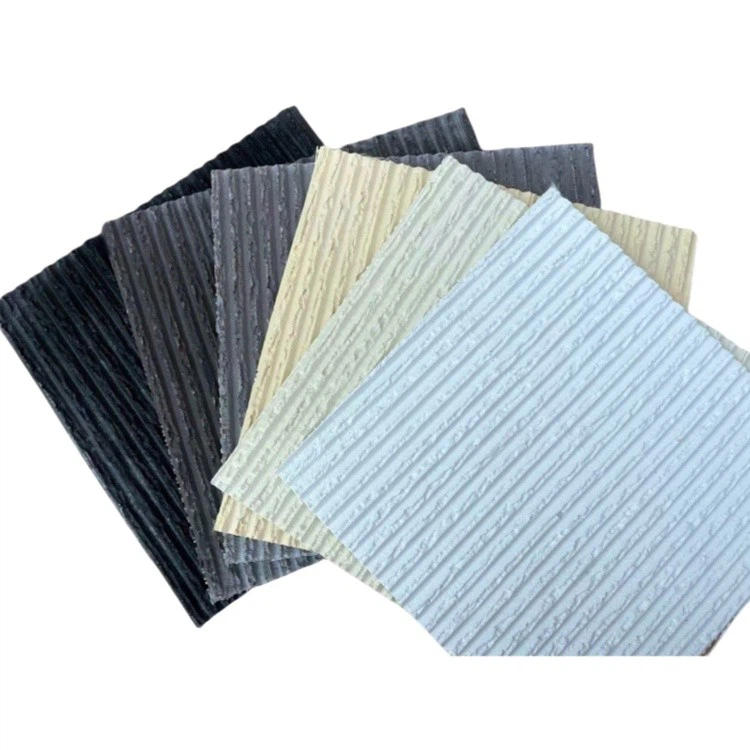
Wood effect
Mimicking the look of natural wood, wood look tiles are popular for their warmth, texture, and durability of porcelain.
Geometric patterns
Tiles with geometric patterns or intricate designs add an artistic touch and visual interest to a space.

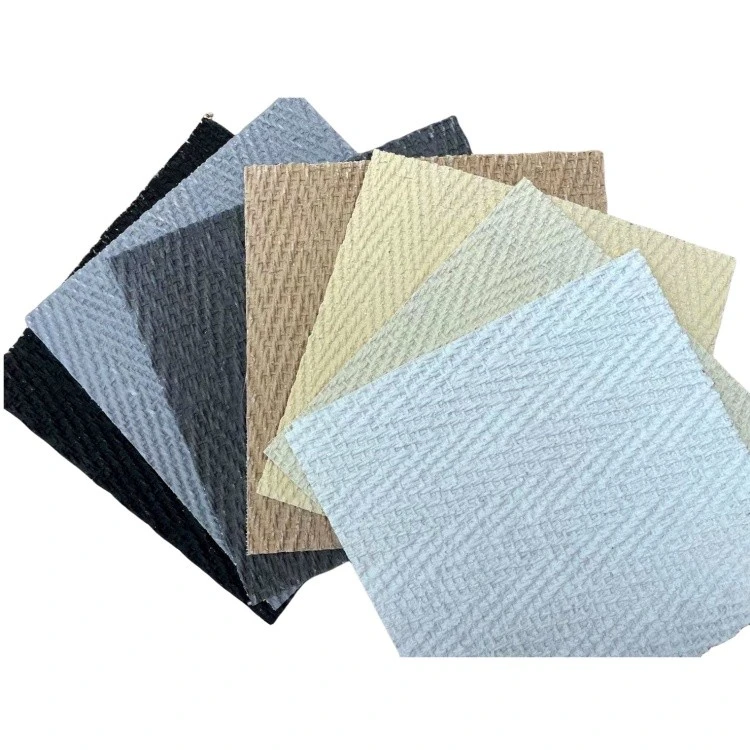
Marble and stone effect
Tiles with marble and natural stone patterns are becoming increasingly popular because they offer a cost-effective alternative that is more durable than real marble or stone.
3D and embossed tiles
Three-dimensional and embossed tiles add depth and dimension to a wall, creating a stunning visual effect that is best suited for accent walls.


Bold colors
In interior design, people use tiles with bright and bold colors to create eye-catching focal points or feature walls.
Do your daily due diligence
Daily life can wreak havoc on any type of flooring. From grubby pet paws to coffee spills from coffee cups, from entryways to back doors, every room will inevitably have some messes to clean up. To keep your flexible tile neat and undamaged, you must keep it dust-free. A mild soap and water mixture works well when cleaning spills and light dirt with a damp cloth. To avoid damage from pet claws, always keep your pet's nails trimmed.
Vacuum or dust mop regularly
Be proactive about protecting your flexible tile from abrasive particles, including dust, debris, and sand, with a weekly vacuuming or dusting schedule. Most vacuum cleaners come with a hard floor setting, but a dust mop may be easier on your floors. Try to avoid using a hard broom on your flexible tile, as it can scratch and damage it.
Deep cleaning
Perform a deep clean on your flexible tile every few months to keep it looking its best. During this time, use a mild, non-abrasive cleaner and a soft brush, and pay more attention to cleaning the crevices of your flexible tile. High-traffic areas may require more frequent care and deep cleaning if floor coverings are not installed. Avoid harsh chemicals that can damage flexible tiles, including bleach, ammonia, and abrasive cleaners.
Install carpets and doormats
Entrances, back doors, kitchens, hallways, and living rooms are high-traffic areas where flexible tiles can be damaged. To take the pressure off your flexible tiles, place doormats and rugs in these areas. Not only do they enhance the texture of the floor, but they also add softness underfoot. Ideally, you'll want to add rug pads under any floor coverings to further protect your flexible tiles.
Install furniture pads
Furniture sliding on flexible tiles will definitely damage them and leave gaps in flexible tiles that cannot be repaired. To prevent this, add soft pads under all furniture. Your flexible tiles and furniture will thank you. Furniture pads come in two types, round and square, and can be purchased from your local hardware store or supermarket.
Seal grout
While maintenance after installation is great, proactively sealing the grout before use is essential. Don't focus entirely on flexible tiles, the grout needs to be sealed to prevent it from deteriorating. Grout and tile sealers are not permanent and need to be reapplied every few months, especially in high-traffic areas where grout wear is most common. Flexible tile and grout need to be deep cleaned and completely dry before they can be sealed.
Repair and regrouting
If you notice a broken flexible tile or chipped grout, treat the damage immediately to avoid further damage to nearby flexible tiles and grout. If DIY isn't your thing, a professional flooring specialist can salvage your flexible tile.
A Lifetime of enjoyment
No matter what type of flexible tile you have, with a little love, protection and maintenance, your flexible tile will keep your home looking new for a lifetime.
Construction Process of Flexible Tile


If the whole scaffold is removed after the construction is completed, if there is a whole dirt phenomenon, it is possible to use vehicle foam cleanser and weak dilute oxalic acid solution similar to the clean tile to clean the whole body. Do not use hard material such as steel ball to avoid scratching flexible wall tiles. No matter what kind of cleaning treatment is done, local small sample experiment should be done in advance, and large-scale operation can be carried out after the effect is approved.
After pasted with flexible wall tiles, temporary protective measures must be taken for parts that may cause pollution due to follow-up works such as paint and waterproof.
Temporary protection measures shall be taken for the entrance, passage, external corner and other parts that may be damaged during construction.
Water, electricity, equipment installation and other processes should be reasonably arranged, and holes should not be drilled after pasting flexible wall tiles building decoration materials. If it is necessary to cut holes after pasting flexible wall tiles building decoration materials, it can only be carried out when the adhesive is completely consolidated.
The construction method of flexible wall tiles wall brick is basically carried out according to the above steps. The process is similar, but the construction strength and technical materials occupy an important position. BRD flexible wall tiles specializes in interior and exterior wall decoration.
How to Choose a Flexible Tile
Diagonal size comparison
Overlap two pieces of the same type of flexible bricks face to face, align the four corners, and observe whether the dimensions of the four sides are always consistent to ensure flatness.
Check the color
Good flexible bricks have the same color inside and outside. The modified mineral powder has its own color, which can make the color lasting, so that the tiles have the excellent characteristics of long-lasting color and high fidelity.
Check the water absorption rate
Waterproofness is an important indicator of the quality of flexible bricks. Select a flexible brick and pour a small cup of water on the back of the flexible brick. The surface of a good flexible brick will form a lotus leaf effect, and the water will not penetrate but slide down the surface of the flexible brick.
Check the degree of fire resistance
This is an important indicator for testing the quality of flexible bricks. The main component of a good flexible brick is natural modified mineral powder, which is a high-quality inorganic refractory material. The product can meet the A-level fire protection standard and effectively reduce the risk of fire.
How to Install The Flexible Tile
Clean the surface
Start by thoroughly cleaning the surface where you plan to install the tiles. Remove any dirt, dust, grease, or debris. Use a vacuum to suck up loose particles and a mop to eliminate any remaining grime. A clean surface ensures better adhesion.
Repair any damage
Inspect the surface for any cracks, holes, or uneven areas. Use a filler or patching compound to repair any imperfections. Sand down the repaired areas to create a smooth and even surface.
Level the surface
Using a level, check the surface to ensure it is completely even. If you find any low spots, use a self-leveling compound to even them out. An even surface is essential for preventing tiles from shifting or lifting over time.
Measure the area
Use a measuring tape to determine the length and width of the area you plan to tile. Multiply these measurements to calculate the total square footage. It's a good idea to purchase 10-15% more tiles than you need to account for mistakes and future repairs.
Create a layout plan
Decide on the layout pattern for your tiles. Common patterns include straight lay, diagonal, herringbone, and staggered. Lay out a few tiles to see how they fit and make any necessary adjustments.
Mark the center
Find the center of the room by measuring and marking the midpoint of each wall. Use a chalk line to create intersecting lines at the center point. This will serve as your starting point and guide for laying the tiles.
Select the right adhesive
Make sure to choose an adhesive that is compatible with your flexible tiles. Read the manufacturer's instructions for the recommended adhesive type.
Spread the adhesive
Using a notched trowel, spread the adhesive evenly over a small section of the surface. Work in small sections to prevent the adhesive from drying out before you can place the tiles.
Notch the adhesive
Hold the trowel at a 45-degree angle and use the notched edge to create grooves in the adhesive. This ensures better adhesion and prevents air bubbles from forming under the tiles.
Start from the center
Begin at the center point where your chalk lines intersect. Place the first tile carefully, ensuring it aligns with both chalk lines. Press it firmly into the adhesive.
Continue laying tiles
Work outwards from the center, laying tiles one by one. Make sure each tile is snug against the previous one, but avoid pushing them too tightly together. Use spacers if necessary to maintain consistent gaps.
Cut tiles to fit
When you reach the edges of the room, you'll likely need to cut tiles to fit. Use a utility knife and a straight edge to make precise cuts. Measure twice to avoid mistakes.
Use a rubber roller
Roll a rubber roller over the entire tiled area to press the tiles firmly into the adhesive. This helps to eliminate any air bubbles and ensures a strong bond.
Check for loose tiles
Inspect the tiles for any that may have shifted or are not adhering properly. Press them down firmly or add more adhesive if needed.
Allow to set
Give the adhesive ample time to set according to the manufacturer's instructions. Avoid walking on the tiles during this time to ensure they bond properly.
Clean the tiles
Once the adhesive has set, clean the tiles to remove any adhesive residue. Use a damp cloth and mild cleaner to wipe them down.
Apply sealant (if necessary)
Depending on the type of flexible tiles you used, you may need to apply a sealant to protect them from moisture and stains. Follow the manufacturer's instructions for the best results.
Install trim and molding
Add trim or molding around the edges of the tiled area to give it a finished look. This also helps to protect the edges of the tiles from damage.
FAQ
We're well-known as one of the leading flexible tile manufacturers and suppliers in China. Please rest assured to wholesale custom made flexible tile from our factory. For more cheap products, contact us now.
flexible tile, flexible wall tile, thin rubber rolls for basement