



Polyurethane stone (PU STONE ) is a manufactured faux stone product. Polyurethane faux stone was designed to make a realistic looking stone panel that is extremely easy to install. To make these faux stone panels, the polyurethane is poured into molds that have been cast from real stacked stone.
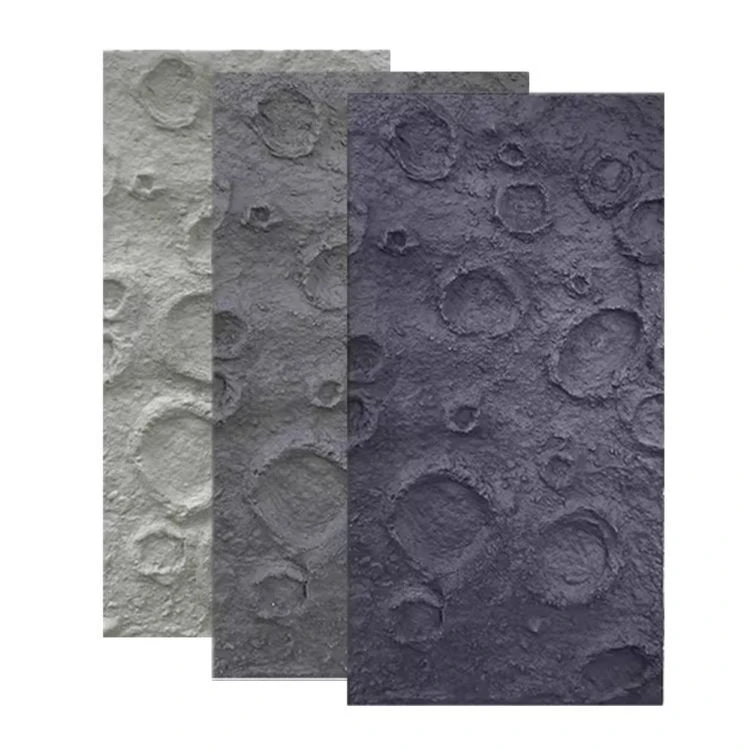
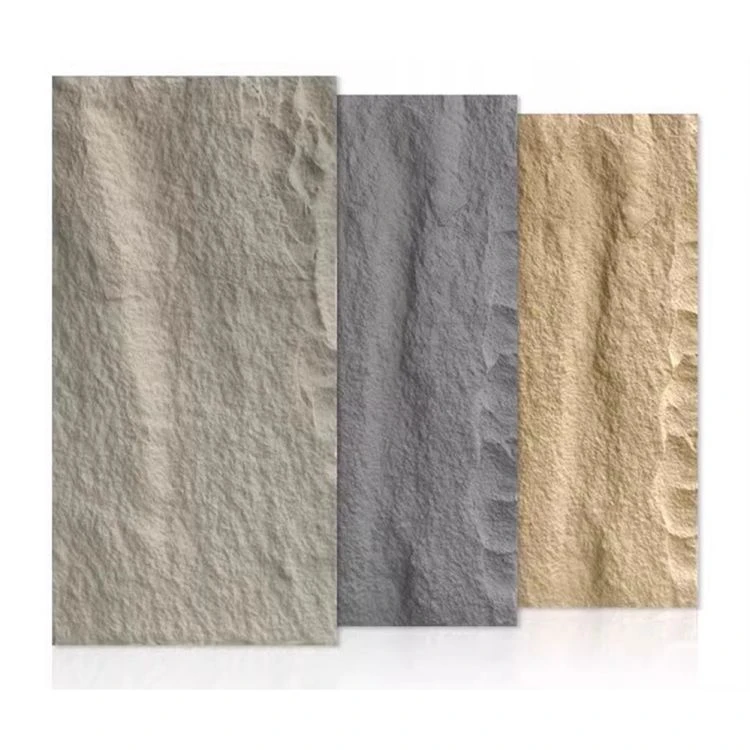
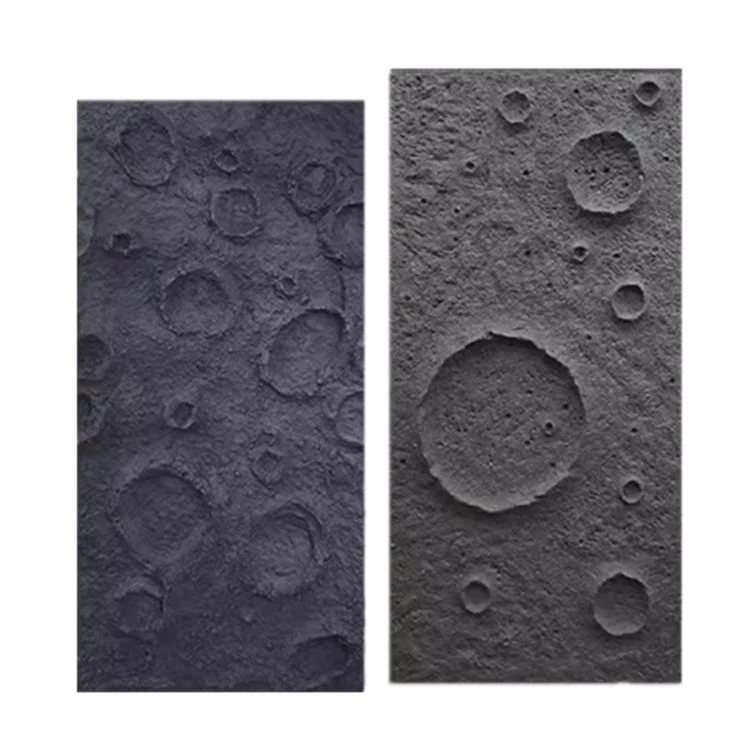
Types of PU Stone Wall Panel
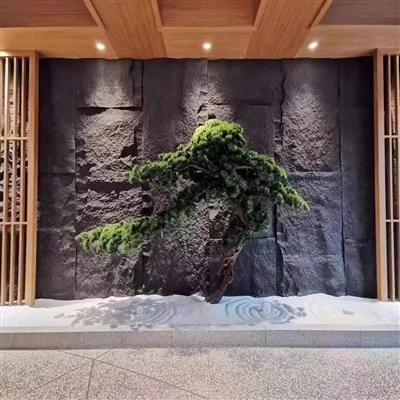


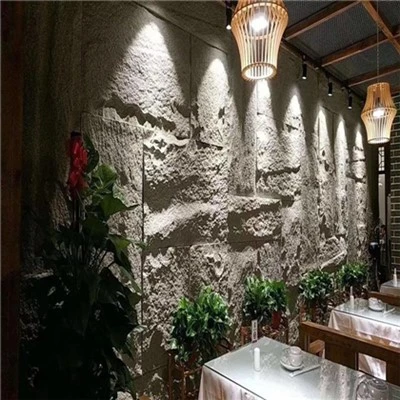
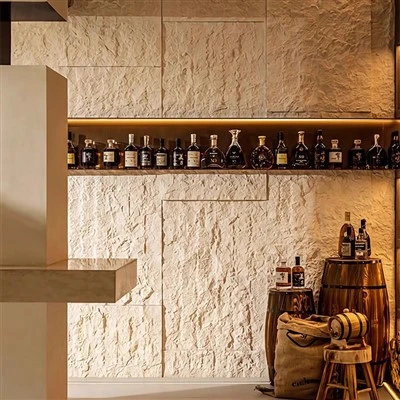

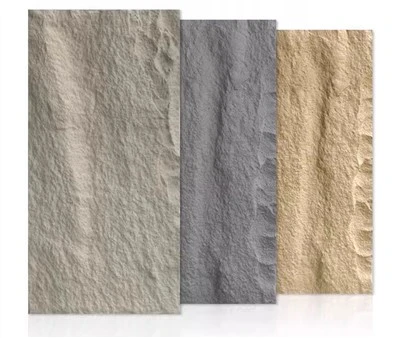


Advantages of PU Stone Wall Panel
Aesthetic appeal
One of the main reasons homeowners love PU stone wall panels is their stunning aesthetic appeal. These panels offer the timeless beauty of natural stone without the expense or labour-intensive installation process.
Diverse options
PU stone wall panels offer a wide range of options such as sandstone, rock stone, and natural stone, allowing homeowners to tailor their walls to suit their unique style and preferences. From different textures and colours to various panel sizes, the possibilities are endless.
Easy installation
Gone are the days of messy mortar and heavy stone slabs, PU stone wall panels are easy to install. Thanks to their lightweight construction and simple interlocking system, these panels be easily mounted onto any flat surface with just a few basic tools.
Cost-effective
Another major advantage of PU stone wall panels is their affordability. While natural stone is prohibitively expensive, PU stone panels offer a budget-friendly alternative that doesn't skimp on style.
Durability
Despite their lightweight construction, PU stone wall panels are surprisingly durable. Made from high-quality polyurethane foam, these panels are resistant to moisture, mould, and mildew, making them ideal for use in kitchens, bathrooms, and other high-humidity areas.
Versatility
PU stone wall panels aren't just for indoor use, they're also perfect for outdoor applications. Whether you want to spruce up your patio, or exterior facade, these panels provide a cost-effective and stylish solution.
Why Choose Us
One-stop solution
We can offer a range of services, from consultation and advice to product design and delivery. It is a convenience for the customers, as they can get all the help they need in one place.
Professional team
We have also built a strong team of professionals with extensive experience as experts in products, marketing and services.
High quality
Our products are manufactured or executed to very high standards, using the finest materials and manufacturing processes.
Our services
We are confident that our customer can grow rapidly with our expert service. We will improve and grow together.
Design and mold making
Using natural stone or custom design to create the main mold, this mold will give the polyurethane panel a realistic stone texture. This step is usually manually carved by experienced mold masters.
Preparation of polyurethane mixture
Mixing polyurethane resin with hardeners and colorants can adjust the mixture to achieve the required strength, flexibility, and appearance.
Pouring and curing
Use a foaming machine to inje the prepared mixture into the mold, then vibrate the mold to remove any bubbles and ensure that the mixture is evenly distributed,The mixture solidifies and forms at high temperatures.
Demolding and precision machining
Once cured, the panel will be removed from the mold. They undergo additional precision processing, such as trimming, painting, coloring, or drying, to enhance their appearance and durability.There may be slight differences in the production process among different production factories
Application of PU Stone Wall Panel
Residential spaces
The residential sector has embraced PU Stone Wall Panels for various applications, including accent walls, fireplace surrounds, and kitchen backsplashes. The lightweight panels make installation feasible in both new constructions and renovations.
Commercial properties
In the realm of commercial interior design, PU Stone Wall Panels find application in retail spaces, offices, and hospitality establishments. The ability to create a luxurious ambiance without the weight and cost associated with traditional stone has led to widespread adoption.
Hospitality sector
Hotels and restaurants, with their emphasis on creating memorable experiences, turn to PU Stone Wall Panels for transformative interior designs. The panels offer an ideal combination of durability, aesthetics, and ease of maintenance, catering to the demanding needs of the hospitality sector.
Polyurethane Stone Siding: What Kind of Stain Can Extend the Color?
UV-stable pigments
UV-stable pigments are designed to resist the effects of ultraviolet (UV) radiation from sunlight. These pigments help prevent color fading and maintain the vibrancy of the panels when exposed to outdoor conditions.
Inorganic pigments
Inorganic pigments, such as iron oxide pigments, are known for their stability and resistance to environmental factors. They are less prone to fading compared to some organic pigments.
Mineral pigments
Certain mineral pigments, like titanium dioxide, are often used for their ability to maintain color stability in various conditions. Titanium dioxide is known for its UV-blocking properties.
Weather-resistant dyes
Some weather-resistant dyes may be used to enhance color stability. These dyes are formulated to withstand exposure to sunlight and other weather elements.
Color stabilizers
Color stabilizers, including additives and chemicals, can be incorporated into the formulation to protect against color degradation over time.
Polymeric colorants
Polymeric colorants are designed to be more durable and stable, offering improved resistance to fading and environmental factors.
Polyurethane resin
The primary component is polyurethane resin, a versatile polymer that can be molded into various shapes. It provides flexibility, durability, and a realistic texture to the panels.
Fillers and reinforcements
To enhance strength and stability, fillers and reinforcements are often added. These may include materials like calcium carbonate, fiberglass, or other minerals.
Colorants and pigments
To achieve the desired color and appearance, colorants and pigments are incorporated into the polyurethane mixture. This ensures that the panels closely mimic the look of natural stone.
Release agents: These agents facilitate the removal of the finished panels from molds during the manufacturing process.
Blowing agents
In some cases, blowing agents are used to create a cellular structure within the polyurethane, resulting in a lighter and more porous material.
Curing agents
These agents help initiate and control the curing process of polyurethane, ensuring that the material solidifies properly.
UV stabilizers
If the panels are intended for outdoor use, UV stabilizers may be added to protect the material from sunlight and prevent color fading.
Flame retardants
In applications where fire resistance is a concern, flame retardants may be included to enhance the fire-resistant properties of the panels.
Simple Tips for Maintaining Polyurethane Stone Wall Panels

Dust your wall panels regularly
Know that wall panels are like any other stable surface, so it is inevitable that they will accumulate dust. Now, most patterned panels made of decorative veneers, metal veneers, etc. do a good job of hiding stains, but they also need regular dusting to keep them spotless and beautiful.
Use a dry cloth or feather duster to gently clean the surface of the wall panels. You can also vacuum the panels as part of your regular maintenance routine.
Remove stains or spills immediately
No matter how hard you try to keep your space spotless, stains, spills or graffiti are inevitable and mostly unavoidable, especially when there are children in the house. Stains or graffiti on the wall panels should be dealt with immediately as they may leave permanent marks if ignored.
Use mild soapy water and a soft cloth to clean the accumulated stains or dirt on the wall panels. Gently wipe off the stains as rough handling may damage the surface of the panel. Work from the bottom of the panel to the top to avoid any streaks. Wipe away excess water with a dry cloth, as excess water or moisture can damage the panels. Always use soft solvent cleaners or sprays, and never harsh cleaners or sprays, as they can damage the surface or appearance of the wall panels.
Make sure the wall panels are dry
Polyurethane stone wall panels can become damaged if exposed to moisture. That's why it's best to avoid installing them in kitchen or bathroom areas. Of course, some stylish panels with treated fiberboard do have moisture or humidity resistance, but they can warp if exposed to excessive moisture.
In addition, laminated paper-faced wall panels can separate from their core surface if exposed to moisture for a long time. That's why it's best to make sure the panels are well protected from water. Wipe away water splashes immediately to keep the panels dry at all times.
Innovative and stylish wall panels made with zero-dry finish laminate are ideal for areas where water splashes are unavoidable.
Protect the wall panels from sunlight
Beautiful wall panels made with laminate, fabric, paper, etc. can fade if exposed to direct sunlight. That's why when installing these wall panels on the wall, always make sure they are away from windows, doors, or any other place where direct sunlight is present. If it is unavoidable to install siding in an area that receives direct sunlight, then install curtains and blinds on windows and doors to reduce the amount of natural light that reaches the siding.
Cover siding during renovations
When renovating your home, i.e. repainting walls, replacing floors, etc., always protect the polyurethane stone siding. Cover the siding with plastic sheeting to keep any dust or stains stuck to it. This will ensure that the siding remains scratch and stain free.
If the siding needs to be removed for a period of time, then call in the help of an expert. Have a professional handyman remove the siding properly and keep them in a cool, dry place. Protect the siding from any form of moisture and direct sunlight.
Routine cleaning
Clean the panels regularly using mild detergents and a soft brush to remove dirt and debris.
Periodic inspections
Inspect the panels periodically for signs of wear or damage, such as cracks, chips, or loose panels.
Apply sealant
Apply a protective sealant to exterior PU stone panels to shield them from harsh weather conditions, UV rays, and moisture.
Ensure proper drainage
Ensure proper drainage around the installation area to prevent water accumulation and seepage.
Use protective barriers
Use protective barriers or bumpers in high-traffic areas to minimize accidental damage.
Thorough inspection
Thoroughly inspect the damaged area to determine the extent of the damage.
Identify damage type
Identify whether the damage is superficial (scratches, minor chips) or structural (cracks, large breaks).
Prepare the surface
Ensure that the surface where the PU stone wall panels will be installed is clean, dry, and free from dust, grease, or other contaminants. If necessary, apply a suitable primer or bonding agent to the surface to improve adhesion.
Plan the layout
Determine the layout and positioning of the PU stone wall panels on the surface, taking into account any design considerations or architectural features. Use a level and straightedge to ensure that the panels will be installed evenly and aligned correctly.
Cut panels to size
Measure and mark the PU stone wall panels according to the desired dimensions and layout. Use a saw, utility knife, or other appropriate cutting tool to trim the panels to size, taking care to make clean, accurate cuts.
Apply adhesive
Apply a suitable construction adhesive or panel adhesive to the back of each PU stone panel, following the manufacturer's instructions. Ensure that the adhesive is spread evenly across the entire back surface of the panel, with extra attention to the edges and corners.
Install panels
Carefully position the first PU stone panel onto the prepared surface, pressing it firmly into place. Use a level to ensure that the panel is plumb and level, making any adjustments as needed. Continue installing additional panels, working from one corner or edge outward in a systematic manner. Leave a small gap between panels for expansion and contraction, typically around 1/8 to 1/4 inch.
Secure panels
Once all panels are installed, use brads, nails, or screws to secure them to the surface, if necessary. Be sure to countersink any fasteners to ensure a flush finish.
Fill joints and gaps
Fill any gaps between panels and around the perimeter with a suitable sealant or caulking compound, ensuring a watertight seal and a seamless appearance.
Finish and clean up
Allow the adhesive and sealant to cure according to the manufacturer's instructions. Once cured, remove any excess adhesive or sealant and clean the surface of the PU stone wall panels to remove any dirt or debris.
FAQ
We're well-known as one of the leading pu stone wall panel manufacturers and suppliers in China. Please rest assured to wholesale custom made pu stone wall panel from our factory. For more cheap products, contact us now.
faux stone wall panel, polyurethane stone panel, pu stone wall panel