

Are flexible ceramic tiles easy to replace if damaged?
May 19, 2025
Leave a message
As a supplier of flexible ceramic tiles, I often get asked whether these tiles are easy to replace if damaged. In this blog post, I'll delve into this topic in detail, covering the characteristics of flexible ceramic tiles, the replacement process, and factors that affect the ease of replacement.
Understanding Flexible Ceramic Tiles
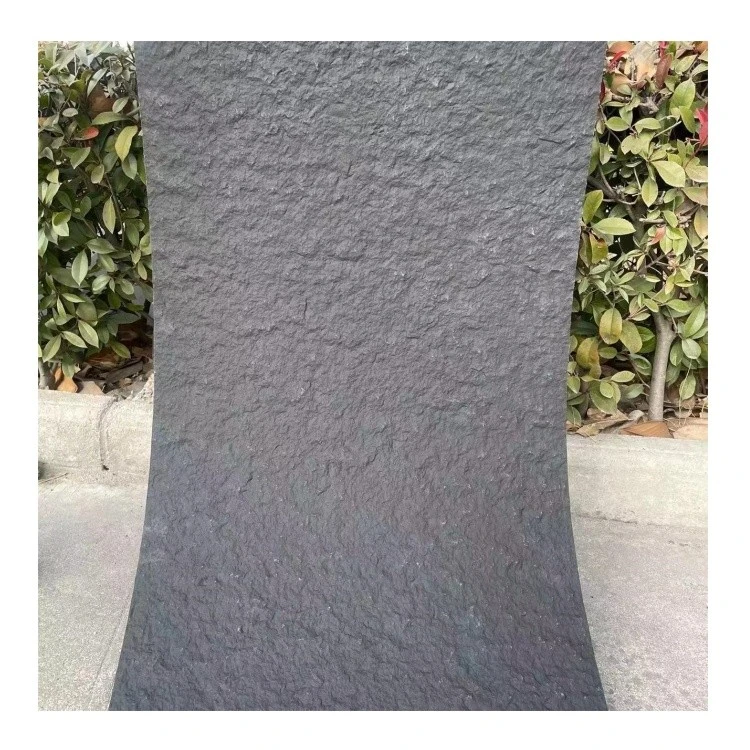
Flexible ceramic tiles are a revolutionary product in the tiling industry. They combine the aesthetic appeal of traditional ceramic tiles with the flexibility and ease of installation that other materials offer. These tiles are made from a special blend of ceramic materials and polymers, which gives them the ability to bend without breaking. This flexibility makes them ideal for a variety of applications, including curved surfaces, uneven walls, and areas where traditional tiles would be difficult to install.
There are different types of flexible ceramic tiles available in the market, such as Flexible Porcelain Tile and Flexible Wall Tile. Each type has its own unique properties and advantages, but they all share the common feature of being flexible and relatively easy to work with.
Reasons for Tile Damage
Before discussing the replacement process, it's important to understand the common reasons why flexible ceramic tiles might get damaged. One of the most common causes is physical impact. For example, if a heavy object is dropped on the tile, it can crack or chip. Another reason could be improper installation. If the tiles are not installed correctly, they may not adhere properly to the surface, leading to loose tiles or gaps that can cause damage over time. Environmental factors such as extreme temperature changes or high humidity can also affect the integrity of the tiles.
The Ease of Replacing Flexible Ceramic Tiles
One of the key advantages of flexible ceramic tiles is that they are generally easier to replace than traditional ceramic tiles. Here are the steps involved in replacing a damaged flexible ceramic tile:

Step 1: Assess the Damage
The first step is to carefully examine the damaged tile to determine the extent of the damage. If the damage is minor, such as a small chip or crack, it may be possible to repair the tile instead of replacing it. However, if the tile is severely cracked or broken, replacement is usually the best option.
Step 2: Remove the Damaged Tile
Once you've decided to replace the tile, the next step is to remove the damaged one. Unlike traditional ceramic tiles, which often require a lot of force and specialized tools to remove, flexible ceramic tiles can usually be removed relatively easily. You can use a putty knife or a similar tool to gently pry up the edges of the tile. Start at one corner and work your way around the tile, being careful not to damage the surrounding tiles.
Step 3: Prepare the Surface
After removing the damaged tile, you need to prepare the surface for the new tile. Use a scraper to remove any remaining adhesive from the surface. Make sure the surface is clean, dry, and smooth. You may also need to sand the surface slightly to ensure good adhesion.
Step 4: Install the New Tile
Once the surface is prepared, it's time to install the new tile. Apply a thin layer of adhesive to the back of the tile using a notched trowel. Carefully place the tile in the empty space, aligning it with the surrounding tiles. Press down firmly on the tile to ensure good contact with the surface. Use a tile spacer to maintain even gaps between the tiles.
Step 5: Finish the Installation
After installing the new tile, wipe away any excess adhesive from the surface of the tile. Allow the adhesive to dry according to the manufacturer's instructions. Once the adhesive is dry, you can grout the tile to complete the installation.

Factors Affecting the Ease of Replacement
While flexible ceramic tiles are generally easier to replace than traditional tiles, there are several factors that can affect the ease of the replacement process.
Tile Size and Shape
The size and shape of the tile can have a significant impact on the replacement process. Larger tiles may be more difficult to handle and install, especially in tight spaces. Irregularly shaped tiles may also require more precise cutting and fitting, which can make the replacement process more challenging.
Adhesive Type
The type of adhesive used to install the tiles can also affect the ease of replacement. Some adhesives are designed to provide a strong, permanent bond, which can make it more difficult to remove the tiles without damaging the surrounding area. On the other hand, some adhesives are more flexible and easier to remove, making the replacement process simpler.
Installation Surface
The surface on which the tiles are installed can also play a role in the ease of replacement. If the surface is uneven or porous, it may be more difficult to remove the tiles without causing damage. Additionally, if the surface is already damaged or has a lot of debris, it may need to be repaired or cleaned before the new tile can be installed.
Conclusion
In conclusion, flexible ceramic tiles are generally easy to replace if damaged. Their flexibility and the relatively simple installation process make them a great choice for both DIY enthusiasts and professional installers. However, the ease of replacement can be affected by factors such as tile size and shape, adhesive type, and installation surface.
If you're considering using flexible ceramic tiles for your next project, I encourage you to explore our range of Flexible Ceramic Tile products. We offer high-quality tiles in a variety of colors, patterns, and sizes to suit your needs. And if you have any questions or need assistance with your tile replacement project, don't hesitate to reach out. We're here to help you make the right choice and ensure a successful installation.
References
- Manufacturer's guides for flexible ceramic tiles
- Industry reports on tiling materials and installation