

Are flexible tiles suitable for DIY projects?
Jun 02, 2025
Leave a message
Are flexible tiles suitable for DIY projects? Well, let me tell you, as a flexible tile supplier, I've seen firsthand how these tiles can be a game-changer for DIY enthusiasts. In this blog, I'll dive into the ins and outs of using flexible tiles for your DIY projects, sharing my thoughts on their suitability, advantages, and some tips to get you started.
First off, what exactly are flexible tiles? Flexible tiles are a type of tile that can bend and curve, making them perfect for applications where traditional rigid tiles won't work. They come in various materials, including porcelain and ceramic. You can check out our Flexible Porcelain Tile and Flexible Ceramic Tile options on our website. These tiles are often used for backsplashes, countertops, and even curved surfaces like columns or arches.
One of the biggest advantages of using flexible tiles for DIY projects is their ease of installation. Unlike traditional tiles, which require precise cutting and fitting, flexible tiles can be easily trimmed with a pair of scissors or a utility knife. This means you don't need to be a professional tile installer to get the job done. You can simply measure the area you want to tile, cut the tiles to size, and apply them using a suitable adhesive. It's that simple!
Another great thing about flexible tiles is their versatility. They come in a wide range of colors, patterns, and designs, so you can find the perfect tiles to match your style and decor. Whether you're going for a modern, minimalist look or a more traditional, rustic feel, there's a flexible tile option for you. You can even mix and match different tiles to create a unique and personalized look.
Flexible tiles are also durable and long-lasting. They are resistant to scratches, stains, and moisture, making them ideal for high-traffic areas like kitchens and bathrooms. They are also easy to clean and maintain, so you don't have to worry about spending a lot of time and effort keeping them looking their best.
Now, let's talk about some of the potential drawbacks of using flexible tiles for DIY projects. One of the main concerns is the adhesive. Since flexible tiles are flexible, they require a special adhesive that can withstand the movement and bending. If the adhesive is not applied correctly or if it's not the right type for the job, the tiles may start to peel or come loose over time. It's important to follow the manufacturer's instructions carefully when applying the adhesive and to use a high-quality product.
Another potential issue is the cost. Flexible tiles can be more expensive than traditional tiles, especially if you're looking for high-end or designer options. However, when you consider the ease of installation and the long-term durability, the cost may be worth it in the end. You can also look for deals and discounts to save money on your purchase.
So, are flexible tiles suitable for DIY projects? In my opinion, the answer is yes! They offer a lot of advantages over traditional tiles, including ease of installation, versatility, and durability. However, it's important to do your research and make sure you're using the right products and techniques. Here are some tips to help you get started:

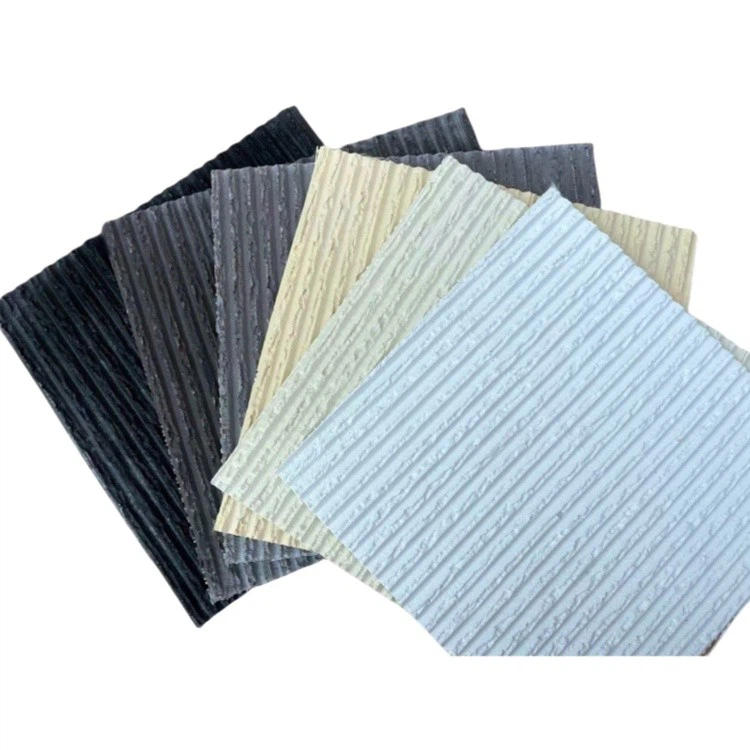
- Choose the right tiles: Make sure you choose the right type of flexible tiles for your project. Consider the material, color, pattern, and design, as well as the size and shape of the tiles. You can also look for tiles that are specifically designed for DIY projects.
- Prepare the surface: Before you start tiling, make sure the surface is clean, dry, and smooth. Remove any dirt, grease, or old paint, and fill in any cracks or holes. You may also need to sand the surface to create a better bond for the adhesive.
- Use the right adhesive: As I mentioned earlier, it's important to use the right type of adhesive for the job. Make sure you read the manufacturer's instructions carefully and follow them exactly. You may also want to test the adhesive on a small area first to make sure it works well with the tiles and the surface.
- Cut the tiles carefully: When cutting the tiles, use a sharp pair of scissors or a utility knife. Make sure you measure the tiles accurately and cut them to the right size. You can also use a straight edge or a tile cutter to make straight cuts.
- Apply the tiles evenly: When applying the tiles, make sure you apply them evenly and smoothly. Use a trowel or a putty knife to spread the adhesive on the surface, and then press the tiles into place. Make sure the tiles are aligned properly and that there are no gaps or overlaps.
- Let the adhesive dry: After you've applied the tiles, let the adhesive dry completely before grouting or using the area. This may take several hours or even days, depending on the type of adhesive and the conditions.
- Grout the tiles: Once the adhesive is dry, you can grout the tiles. Make sure you choose the right type of grout for the job and follow the manufacturer's instructions carefully. Use a grout float to apply the grout, and then wipe off any excess with a damp sponge. Let the grout dry for a few hours before wiping it again with a dry cloth.
In conclusion, flexible tiles are a great option for DIY projects. They offer a lot of advantages over traditional tiles, including ease of installation, versatility, and durability. However, it's important to do your research and make sure you're using the right products and techniques. If you have any questions or need more information, please don't hesitate to contact us. We're here to help you make the most of your DIY project!
If you're interested in purchasing flexible tiles for your DIY project, we'd love to hear from you. Please feel free to contact us to discuss your options and get a quote. We offer a wide range of flexible tiles, including Flexible Wall Tile, and we're confident we can find the perfect tiles for your needs. Let's work together to create a beautiful and functional space that you'll love for years to come!
References:
- Manufacturer's instructions for flexible tiles and adhesive
- Online resources and forums for DIY tile projects
- Personal experience as a flexible tile supplier