

Are flexible tiles suitable for high - end interior designs?
May 14, 2025
Leave a message
In the dynamic realm of high - end interior design, the search for materials that seamlessly blend aesthetics, functionality, and innovation is perpetual. One material that has been making waves in recent years is flexible tiles. As a seasoned flexible tile supplier, I've witnessed firsthand the evolving relationship between flexible tiles and high - end interior designs. In this blog, I'll explore whether flexible tiles are indeed suitable for high - end interior projects.
The Aesthetic Appeal of Flexible Tiles in High - End Designs
One of the primary concerns in high - end interior design is creating a visually stunning space. Flexible tiles offer a unique advantage in this regard. They come in a wide variety of colors, patterns, and textures, allowing designers to unleash their creativity and bring their most imaginative concepts to life.
For instance, Flexible Ceramic Tile can mimic the look of natural stone, wood, or even marble with remarkable precision. This means that designers can achieve the luxurious appearance of these high - end materials without the hefty price tag or the challenges associated with installation. The ability to replicate the beauty of natural materials makes flexible ceramic tiles an attractive option for high - end residential and commercial projects alike.
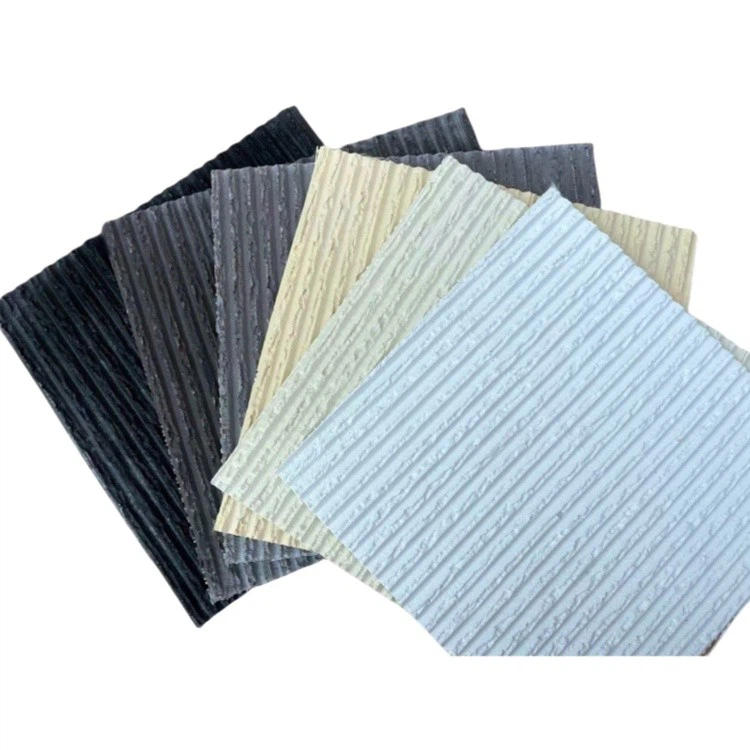
Moreover, flexible tiles can be easily cut and shaped to fit any design requirement. This flexibility allows for the creation of intricate patterns and custom designs that are often the hallmark of high - end interiors. Whether it's a geometric pattern on a feature wall or a unique backsplash in a gourmet kitchen, flexible tiles can be used to make a bold design statement.

In addition to their visual appeal, flexible tiles also offer a smooth and seamless finish. Unlike traditional rigid tiles, which may have visible grout lines that can detract from the overall aesthetic, flexible tiles can be installed with minimal grout, creating a sleek and modern look. This is particularly desirable in high - end designs where attention to detail is paramount.
Functional Advantages of Flexible Tiles
Beyond their aesthetic appeal, flexible tiles offer several functional advantages that make them well - suited for high - end interior designs. One of the most significant benefits is their durability. Flexible Wall Tile and Flexible Porcelain Tile are resistant to scratches, stains, and moisture, making them ideal for high - traffic areas such as kitchens, bathrooms, and hallways.

In a high - end kitchen, for example, flexible tiles can withstand the rigors of daily use, including spills, heat, and abrasion. Their resistance to moisture also makes them a practical choice for bathrooms, where they can prevent the growth of mold and mildew. This durability ensures that the investment in high - end interior design is protected, as the tiles will maintain their appearance and functionality for years to come.
Another functional advantage of flexible tiles is their ease of installation. Unlike traditional tiles, which require a flat and level surface and can be time - consuming and labor - intensive to install, flexible tiles can be installed on a variety of surfaces, including curved and uneven ones. This makes them a versatile option for designers who want to create unique and innovative spaces.
The lightweight nature of flexible tiles also makes them easier to handle and transport, reducing the risk of damage during installation. This not only saves time and money but also minimizes the disruption to the project site, which is crucial in high - end interior design projects where schedules are often tight.
Sustainability and Environmental Considerations
In today's environmentally conscious world, sustainability is an important factor in high - end interior design. Flexible tiles offer several environmental benefits that make them an attractive option for designers and clients who are committed to reducing their carbon footprint.
Many flexible tiles are made from recycled materials, such as glass, porcelain, or ceramic. This not only reduces the demand for new raw materials but also helps to divert waste from landfills. Additionally, the manufacturing process of flexible tiles often requires less energy and water compared to traditional tile production, further reducing their environmental impact.
Furthermore, the long - lasting nature of flexible tiles means that they do not need to be replaced as frequently as other materials, reducing the amount of waste generated over time. This makes them a sustainable choice for high - end interior designs that are intended to stand the test of time.
Challenges and Considerations
While flexible tiles offer many advantages for high - end interior designs, there are also some challenges and considerations that need to be taken into account. One of the main concerns is the perception of quality. Some clients may associate flexible tiles with lower - end or budget - friendly options, despite their many benefits. As a supplier, it's important to educate clients and designers about the high - quality and performance of flexible tiles through product demonstrations, case studies, and testimonials.
Another challenge is the limited availability of certain designs and colors in the flexible tile market. While the range of options is expanding, it may still be more difficult to find the exact look or style that a designer has in mind compared to traditional tiles. However, as the demand for flexible tiles grows, manufacturers are likely to invest in research and development to offer a wider variety of choices.
In addition, the installation of flexible tiles requires some level of skill and expertise. While they are generally easier to install than traditional tiles, improper installation can lead to issues such as bubbling, peeling, or uneven surfaces. It's important to work with experienced installers who are familiar with the specific requirements of flexible tile installation to ensure a professional and long - lasting finish.
Conclusion
In conclusion, flexible tiles are highly suitable for high - end interior designs. Their aesthetic appeal, functional advantages, sustainability, and versatility make them a valuable addition to any high - end project. As a flexible tile supplier, I am confident in the quality and performance of our products and believe that they can help designers create unique and luxurious spaces that exceed their clients' expectations.
If you are a designer, architect, or homeowner interested in incorporating flexible tiles into your high - end interior design project, I invite you to contact us to discuss your specific needs and requirements. We would be delighted to provide you with samples, product information, and professional advice to help you make an informed decision. Let's work together to bring your design vision to life with the beauty and functionality of flexible tiles.
References
- Smith, J. (2020). "Innovations in Interior Design Materials." Journal of Interior Design, Vol. 35, Issue 2, pp. 45 - 58.
- Johnson, A. (2021). "The Future of Sustainable Interior Design." Sustainable Design Magazine, Vol. 12, Issue 3, pp. 67 - 79.
- Brown, C. (2019). "Flexible Tiles: A New Frontier in Interior Design." Design Trends Quarterly, Vol. 22, Issue 4, pp. 89 - 102.