

Are flexible tiles suitable for hospitals?
Jun 20, 2025
Leave a message
Hey there! As a supplier of flexible tiles, I've been getting a lot of questions lately about whether flexible tiles are suitable for hospitals. Well, let's dive right in and explore this topic.
First off, let's talk about what flexible tiles are. We've got different types, like Flexible Wall Tile, Flexible Ceramic Tile, and Flexible Porcelain Tile. These tiles are made from special materials that give them the ability to bend and flex without breaking.
One of the biggest concerns in hospitals is hygiene. You know, keeping everything clean to prevent the spread of germs and infections. Flexible tiles are a great option in this regard. They have a smooth surface that's easy to clean. You can just wipe them down with common disinfectants, and they'll be as good as new. Unlike some traditional tiles that might have grout lines where dirt and bacteria can hide, flexible tiles can be installed with minimal grout or even without it in some cases. This reduces the chances of germs building up and causing problems.
Another important factor is durability. Hospitals are high - traffic areas. There are patients being moved around on stretchers, medical equipment being rolled, and a constant flow of staff and visitors. Flexible tiles are tough. They can withstand a fair amount of wear and tear. They're not as brittle as regular tiles, so they're less likely to crack when something heavy is dropped on them or when there's a little bit of movement in the floor or wall. This means less maintenance and replacement costs in the long run.
Now, let's think about comfort. Patients in hospitals are often in a vulnerable state, and a comfortable environment can really help with their recovery. Flexible tiles can provide a bit of cushioning compared to hard, rigid tiles. This can be especially beneficial in areas where patients might be walking or sitting for long periods. For example, in waiting rooms or patient corridors, the slight flexibility of the tiles can make the experience more pleasant.
When it comes to installation, flexible tiles are a breeze. They're lighter than traditional tiles, which makes them easier to handle. You don't need a huge team of highly - skilled installers to get the job done. This can save on labor costs and also reduce the disruption to the hospital's normal operations. Since they can be cut easily with a regular utility knife, you can customize the tiles to fit any shape or size of the area you're tiling. This is really handy in hospitals, where there are often odd - shaped rooms or areas that need to be covered.
But it's not all sunshine and rainbows. There are a few things to keep in mind. Some flexible tiles might not be suitable for areas that are constantly exposed to extreme heat or chemicals. For example, in some sterilization rooms where there are high - temperature steam cleaners or strong chemical disinfectants, you need to make sure the flexible tiles you choose can withstand those conditions. You'll have to do your research and pick the right type of tile for the specific area in the hospital.
Also, while flexible tiles are generally good at hiding minor imperfections in the surface they're being installed on, they still need a relatively flat and clean base. If the wall or floor has major bumps or unevenness, it can affect the appearance and performance of the flexible tiles. So, a little bit of surface preparation is still necessary.
In terms of aesthetics, flexible tiles come in a wide range of colors and patterns. You can create a modern, clean look that fits well with the overall design of the hospital. You can choose colors that are calming and soothing, which can have a positive impact on the patients' mental state. For example, light blue or green colors are often associated with relaxation and can be used in patient rooms.
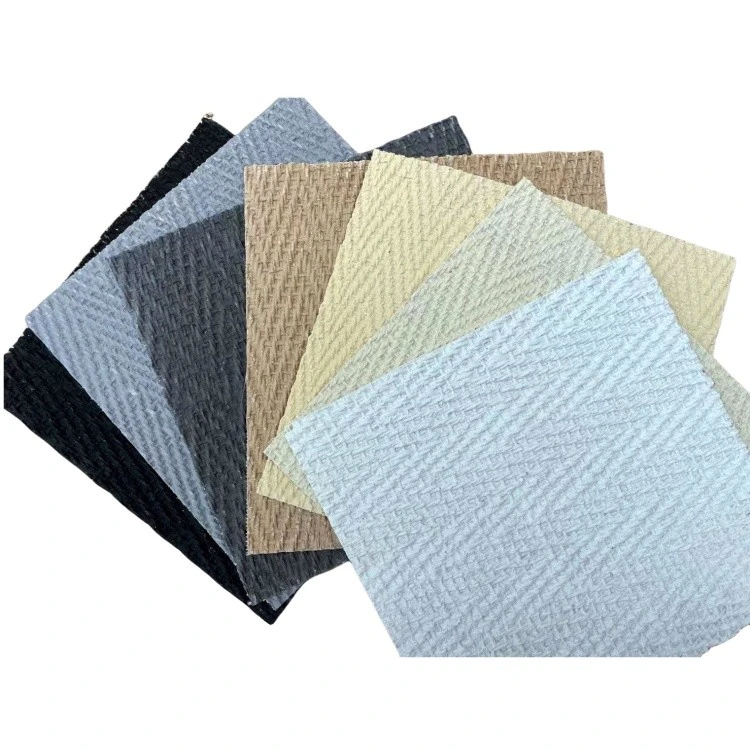

Let's talk about cost. The initial cost of flexible tiles can be similar to or a bit higher than some traditional tiles. However, when you factor in the savings on installation, maintenance, and replacement, they can end up being a more cost - effective option in the long run. You're getting a product that lasts longer, is easier to install, and requires less upkeep.
So, are flexible tiles suitable for hospitals? In most cases, yes. They offer a lot of advantages in terms of hygiene, durability, comfort, installation, and aesthetics. But you need to be careful about choosing the right type of tile for each specific area in the hospital.
If you're a hospital administrator, architect, or anyone involved in the decision - making process for a hospital's tiling project, I'd love to have a chat with you. I can provide more detailed information about our flexible tile products, show you samples, and help you figure out the best solution for your needs. Whether it's for patient rooms, operating theaters, or common areas, we've got the right flexible tile for you.
If you're interested in learning more or starting a procurement discussion, don't hesitate to reach out. We're here to help you create a better, more functional, and more comfortable environment in your hospital.
References
- Building Materials Research Journal, Volume 15, Issue 2 - "A Comparative Study of Flexible and Traditional Tiles in High - Traffic Areas"
- Hospital Design Magazine, July 2022 - "Innovative Tiling Solutions for Healthcare Facilities"