

Are flexible wall tiles scratch - resistant?
Sep 22, 2025
Leave a message
Are flexible wall tiles scratch-resistant? This is a question that I, as a supplier of flexible wall tiles, often encounter from customers. In this blog post, I'll delve into the scratch resistance of flexible wall tiles, exploring the factors that influence it, and providing insights based on scientific knowledge and real-world experience.
Understanding Flexible Wall Tiles
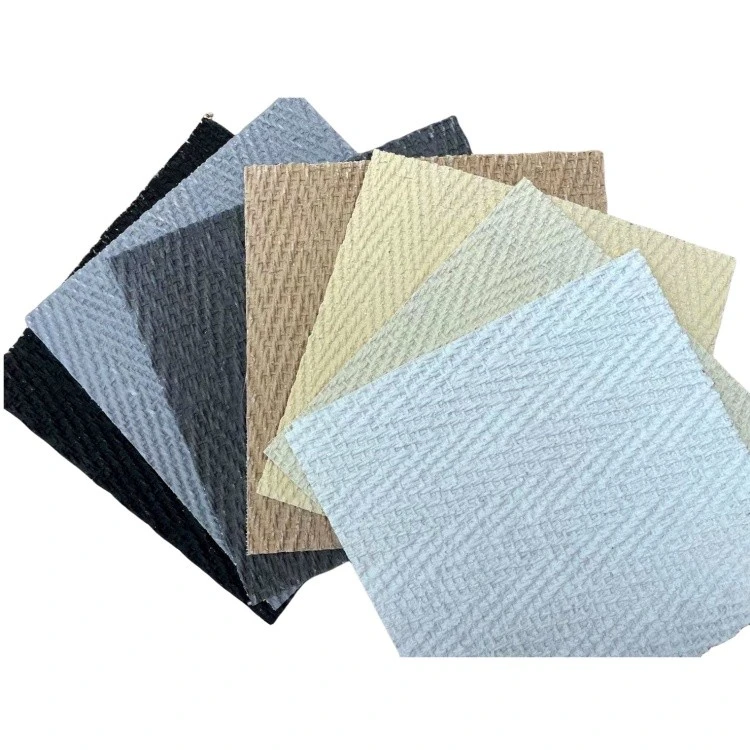
Before we discuss scratch resistance, let's briefly understand what flexible wall tiles are. Flexible wall tiles, such as Flexible Wall Tile, Flexible Porcelain Tile, and Flexible Ceramic Tile, are innovative building materials. They are designed to offer the aesthetic appeal of traditional tiles while providing the flexibility to be installed on curved or irregular surfaces. These tiles are typically made from a combination of materials, including polymers and ceramic or porcelain particles, which gives them their unique properties.
Factors Affecting Scratch Resistance
- Material Composition
The materials used in the manufacturing of flexible wall tiles play a crucial role in determining their scratch resistance. For instance, tiles with a higher proportion of ceramic or porcelain particles tend to be more scratch-resistant. These hard materials form a protective layer on the surface of the tile, making it more difficult for scratches to occur. On the other hand, tiles with a higher polymer content may be more flexible but less scratch-resistant. Polymers are generally softer materials and are more prone to scratching. - Surface Finish
The surface finish of flexible wall tiles also affects their scratch resistance. Tiles with a smooth, glazed finish are often more scratch-resistant than those with a matte or textured finish. The glaze acts as a protective layer, shielding the tile from scratches. However, it's important to note that a glazed finish may also show scratches more easily, as they are more visible on the smooth surface. Matte or textured finishes, while they may hide scratches better, are more likely to be scratched in the first place due to their uneven surface. - Manufacturing Process
The manufacturing process can significantly impact the scratch resistance of flexible wall tiles. High-quality manufacturing processes ensure that the materials are properly bonded together, creating a strong and durable tile. Tiles that are manufactured using advanced techniques, such as high-pressure molding and firing, are likely to be more scratch-resistant than those made using less sophisticated methods. Additionally, proper quality control during the manufacturing process helps to identify and eliminate any defects that could weaken the tile and make it more prone to scratching.
Testing the Scratch Resistance of Flexible Wall Tiles
To determine the scratch resistance of flexible wall tiles, various testing methods are used. One common method is the Taber Abrasion Test. In this test, a rotating abrasive wheel is applied to the surface of the tile under a specific load. The amount of material removed from the tile after a certain number of rotations is measured, and this measurement is used to evaluate the tile's scratch resistance. Another method is the Mohs Hardness Test, which measures the hardness of a material by its ability to scratch other materials. Tiles with a higher Mohs hardness are generally more scratch-resistant.
Real-World Performance
In real-world applications, the scratch resistance of flexible wall tiles can vary depending on the environment in which they are installed. For example, tiles installed in high-traffic areas, such as hallways or commercial kitchens, are more likely to be scratched than those installed in low-traffic areas, such as bedrooms or bathrooms. Additionally, the type of objects that come into contact with the tiles can also affect their scratch resistance. Sharp objects, such as knives or keys, are more likely to scratch the tiles than soft objects, such as cloth or paper.
Maintaining the Scratch Resistance of Flexible Wall Tiles
To maintain the scratch resistance of flexible wall tiles, proper care and maintenance are essential. Here are some tips:

- Use Soft Cleaning Tools
When cleaning the tiles, use soft sponges or microfiber cloths. Avoid using abrasive cleaning tools, such as steel wool or scrub brushes with hard bristles, as these can scratch the surface of the tiles. - Avoid Sharp Objects
Try to prevent sharp objects from coming into contact with the tiles. If you need to place objects on the tile surface, use a soft mat or padding to protect the tiles. - Regular Cleaning
Regularly clean the tiles to remove dirt and debris that could potentially scratch the surface. Use a mild cleaning solution and warm water, and rinse the tiles thoroughly after cleaning.
Conclusion
In conclusion, the scratch resistance of flexible wall tiles depends on several factors, including material composition, surface finish, and manufacturing process. While these tiles can offer good scratch resistance, it's important to consider the specific requirements of your project and the environment in which the tiles will be installed. By choosing high-quality tiles and following proper care and maintenance procedures, you can ensure that your flexible wall tiles remain scratch-free and look great for years to come.
If you're interested in purchasing flexible wall tiles and want to learn more about their scratch resistance or other properties, I encourage you to contact me for a detailed discussion. We can explore the best options for your specific needs and help you make an informed decision.
References
- ASTM International. (2023). Standard Test Methods for Abrasion Resistance of Organic Coatings by the Taber Abraser. ASTM D4060 - 19.
- Mohs, F. (1822). Versuch einer Elementar-Methode zur naturhistorischen Bestimmung und Kennzeichnung der Fossilien. Dresden: Arnold.