

Are flexible wall tiles UV - resistant?
Jan 15, 2026
Leave a message
Are flexible wall tiles UV-resistant? This is a question that many customers have asked me, as a supplier of flexible wall tiles. In this blog post, I will explore the topic of UV resistance in flexible wall tiles, discussing the factors that affect it, the benefits of UV-resistant tiles, and how to determine if the tiles you're considering are suitable for your needs.
Understanding UV Resistance
Before delving into whether flexible wall tiles are UV-resistant, it's important to understand what UV resistance means. Ultraviolet (UV) radiation is a part of the sun's spectrum that can cause damage to various materials over time. Exposure to UV rays can lead to color fading, material degradation, and a reduction in the overall lifespan of the product.
UV resistance refers to a material's ability to withstand the effects of UV radiation without significant changes in its appearance or performance. For wall tiles, especially those used in outdoor or high-sunlight areas, UV resistance is crucial to maintain their aesthetic appeal and structural integrity.
Factors Affecting UV Resistance in Flexible Wall Tiles
The UV resistance of flexible wall tiles can be influenced by several factors, including the materials used in their production, the manufacturing process, and any additional treatments or coatings applied to the tiles.
- Materials: The base materials of flexible wall tiles play a significant role in determining their UV resistance. For example, Flexible Ceramic Tile is made from ceramic materials that generally have good natural resistance to UV rays. Ceramic is a stable material that can withstand high temperatures and harsh environmental conditions, making it less likely to fade or degrade when exposed to sunlight.
Similarly, Flexible Porcelain Tile is known for its durability and UV resistance. Porcelain is a dense and non-porous material that is fired at high temperatures, resulting in a tile that is resistant to scratches, stains, and UV damage.
-
Manufacturing Process: The way the tiles are manufactured can also impact their UV resistance. Advanced manufacturing techniques, such as high-pressure molding and firing processes, can enhance the tile's internal structure and increase its resistance to UV radiation. Additionally, the use of high-quality pigments and additives during the manufacturing process can improve the tile's colorfastness and UV stability.
-
Coatings and Treatments: Some flexible wall tiles are treated with special coatings or finishes to enhance their UV resistance. These coatings can act as a protective barrier, shielding the tile from the harmful effects of UV rays. For example, a UV-resistant ceramic glaze can be applied to the surface of the tile to prevent color fading and damage caused by sunlight exposure.
Benefits of UV-Resistant Flexible Wall Tiles
Investing in UV-resistant flexible wall tiles offers several benefits, especially for applications where the tiles will be exposed to direct sunlight.
-
Maintained Aesthetics: One of the primary benefits of UV-resistant tiles is that they retain their color and appearance over time. Unlike non-UV-resistant tiles, which may fade or discolor when exposed to sunlight, UV-resistant tiles will continue to look vibrant and new for years to come. This is particularly important for outdoor applications, such as on exterior walls or in patios, where the tiles' appearance can significantly enhance the overall aesthetic of the space.
-
Longer Lifespan: UV radiation can cause materials to degrade and break down over time, reducing their lifespan. By choosing UV-resistant flexible wall tiles, you can extend the life of your tiles and avoid the need for frequent replacements. This not only saves you money in the long run but also reduces the environmental impact associated with tile replacement.
-
Enhanced Durability: UV-resistant tiles are generally more durable and resistant to damage than non-UV-resistant tiles. They are better able to withstand the effects of weathering, including heat, cold, and moisture, which can help prevent cracking, chipping, and other forms of damage. This makes them a great choice for high-traffic areas or areas exposed to harsh environmental conditions.
Determining UV Resistance
As a supplier, I understand the importance of providing customers with accurate information about the UV resistance of our flexible wall tiles. When choosing tiles for a project, it's essential to consider the following factors to determine their suitability for your specific needs:
-
Product Specifications: Always check the product specifications provided by the manufacturer. Reputable suppliers will include information about the tile's UV resistance rating, which indicates the tile's ability to withstand UV radiation. Look for tiles with a high UV resistance rating, especially if they will be used in outdoor or high-sunlight areas.
-
Testing and Certification: Some tiles may have been tested and certified by independent organizations for their UV resistance. Look for tiles that have been tested according to industry standards, such as ASTM (American Society for Testing and Materials) or ISO (International Organization for Standardization) standards. These certifications provide assurance that the tiles meet or exceed the specified UV resistance requirements.
-
Customer Reviews and Feedback: Reading customer reviews and feedback can also provide valuable insights into the UV resistance of the tiles. Look for reviews from customers who have used the tiles in similar applications or environments to yours. Their experiences can help you gauge the real-world performance of the tiles and make an informed decision.
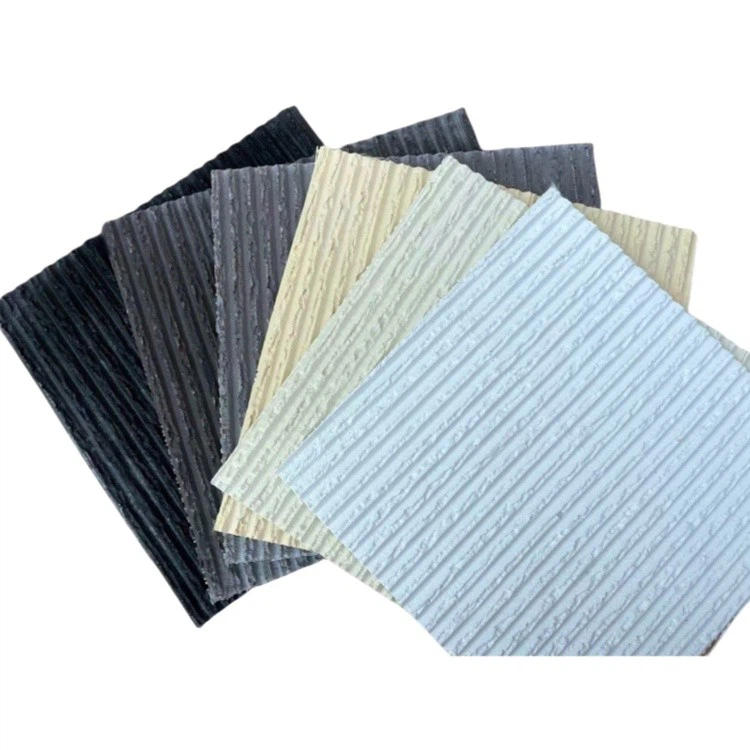

Our Flexible Wall Tiles and UV Resistance
At our company, we take pride in offering a wide range of Flexible Wall Tile options that are designed to meet the highest standards of quality and performance. Our tiles are made from high-quality materials and manufactured using advanced processes to ensure excellent UV resistance.
We understand that every project is unique, and we work closely with our customers to provide customized solutions that meet their specific needs. Whether you're looking for tiles for an indoor or outdoor application, we have the expertise and products to help you achieve the perfect look and functionality for your space.
Conclusion and Call to Action
In conclusion, flexible wall tiles can be UV-resistant, depending on the materials, manufacturing process, and any additional treatments or coatings applied to the tiles. Choosing UV-resistant tiles offers several benefits, including maintained aesthetics, longer lifespan, and enhanced durability.
If you're considering using flexible wall tiles for your next project and have questions about UV resistance or any other aspect of our products, please don't hesitate to contact us. Our team of experts is here to provide you with the information and support you need to make the right choice for your project. We look forward to discussing your requirements and helping you find the perfect flexible wall tiles for your needs.
References
- ASTM International. (n.d.). ASTM standards related to UV resistance testing. Retrieved from [ASTM website]
- International Organization for Standardization. (n.d.). ISO standards for UV resistance. Retrieved from [ISO website]