

Are indoor WPC wall panels waterproof?
Oct 31, 2025
Leave a message
Hey there! As a supplier of indoor WPC wall panels, I often get asked the question: "Are indoor WPC wall panels waterproof?" Well, let's dive right into it and find out.
First off, let's understand what WPC wall panels are. WPC stands for Wood - Plastic Composite. These panels are made by combining wood fibers or flour with thermoplastics. The result is a material that has the look and feel of wood but comes with a bunch of added benefits.
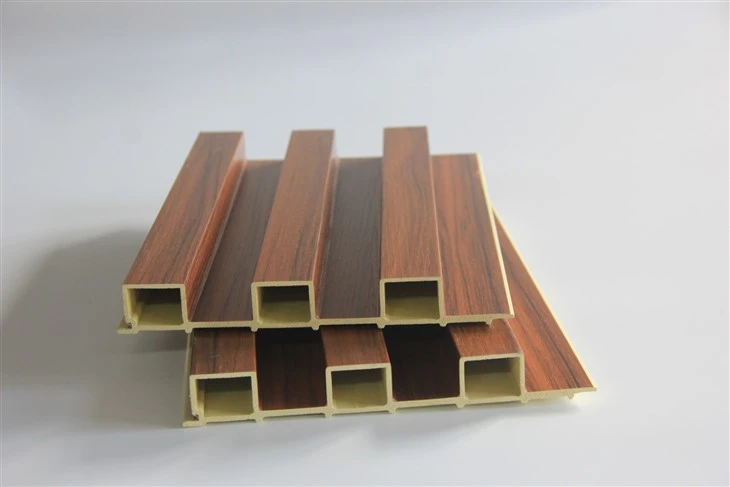
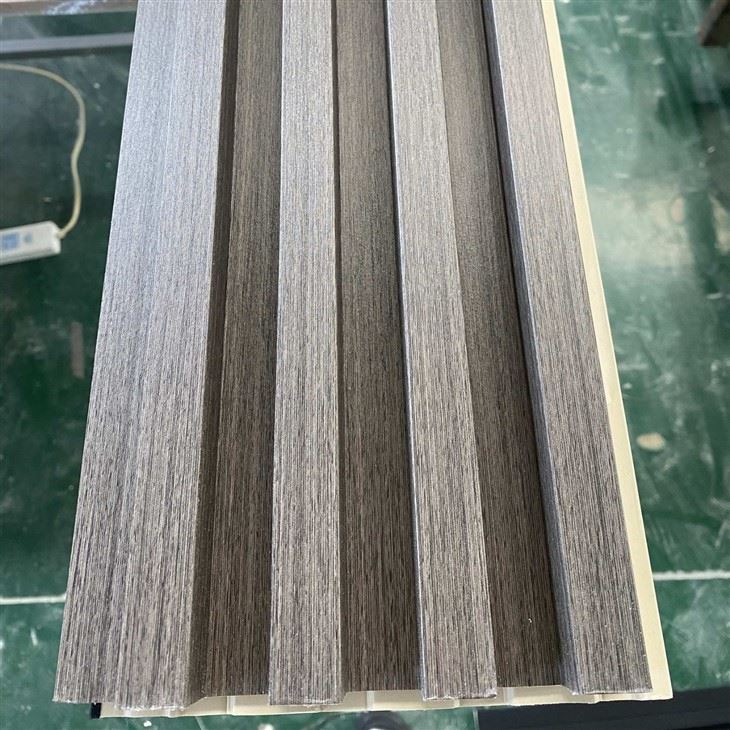
Now, to answer the big question - are they waterproof? The short answer is yes, to a certain extent. Indoor WPC wall panels have a good level of water resistance. The plastic component in the composite acts as a barrier against water. Unlike traditional wooden panels, they won't soak up water like a sponge.
When water comes into contact with WPC wall panels, it tends to bead up and roll off rather than being absorbed. This is because the plastic in the composite creates a non - porous surface. So, if you accidentally spill a little water on your WPC wall panel, you can simply wipe it off, and there won't be any damage.
However, it's important to note that "waterproof" doesn't mean "immersion - proof." If you submerge WPC wall panels in water for an extended period, they will eventually absorb some moisture. Prolonged exposure to water can cause the panels to swell or warp. So, while they can handle a bit of splashing and humidity, they're not suitable for areas that are constantly underwater, like the bottom of a swimming pool.
Let's talk about the different indoor environments where WPC wall panels can be used. In kitchens, they're a great choice. Kitchens are prone to splashes from cooking, washing dishes, etc. WPC wall panels can resist these splashes without getting damaged. They also add a nice aesthetic touch to the kitchen, giving it a warm and natural look. You can check out our China Interior Decoration WPC Wall Panel for some great options for your kitchen.
Bathrooms are another area where WPC wall panels can work well. Bathrooms have high humidity levels due to showers and baths. WPC panels can handle this humidity better than traditional wood. They won't rot or develop mold as easily. But again, you need to make sure there's proper ventilation in the bathroom. If the humidity is too high and there's no way for the moisture to escape, it can still cause problems for the panels over time. Our CheapWPC Interior Wall Cladding is a cost - effective option for bathroom installations.
Living rooms and bedrooms are also ideal places for WPC wall panels. They can add a unique and stylish look to these spaces. And since there's usually no direct water exposure in these areas, the water - resistant properties of the panels are more of a bonus in case of accidental spills. You can explore our WPC Panels For Interior to find the perfect panels for your living room or bedroom.
One of the reasons why WPC wall panels are so popular is their low maintenance. Because of their water - resistant nature, cleaning them is a breeze. You don't have to worry about using special cleaners or treatments. A simple wipe with a damp cloth is usually enough to keep them looking good as new.
Another advantage is their durability. The combination of wood and plastic makes them strong and long - lasting. They can withstand normal wear and tear, and the water resistance adds to their lifespan. You won't have to replace them as often as you would with traditional wooden panels.
Now, let's compare WPC wall panels with some other materials. Traditional wood panels are beautiful, but they're very susceptible to water damage. They can rot, warp, and develop mold when exposed to moisture. Painted drywall is also a common choice for indoor walls, but it can get stained and damaged by water splashes. WPC wall panels offer a better alternative in terms of water resistance and durability.
However, like any product, WPC wall panels also have some limitations. As I mentioned earlier, they're not suitable for areas with constant water immersion. Also, in extremely high - humidity environments without proper ventilation, they may still face some issues.
If you're thinking about using indoor WPC wall panels in your project, here are some tips. First, make sure to install them correctly. Follow the manufacturer's instructions carefully. Improper installation can lead to gaps where water can seep in. Second, consider the ventilation in the area where you're installing the panels. Good ventilation will help keep the humidity levels in check.
In conclusion, indoor WPC wall panels are a great choice for many indoor applications. They offer a good level of water resistance, are easy to maintain, and look great. While they're not completely waterproof in the sense of being able to withstand long - term immersion, they can handle the normal water exposure in most indoor environments.
If you're interested in purchasing indoor WPC wall panels for your project, I encourage you to reach out. We can discuss your specific needs, and I can help you find the perfect panels for your space. Whether it's for a kitchen renovation, a bathroom upgrade, or a new look for your living room, we've got you covered.
References
- General knowledge about Wood - Plastic Composite materials
- Industry reports on the performance of WPC wall panels in different indoor environments