

Are PS wall panels eco - friendly?
Sep 08, 2025
Leave a message
As a supplier of PS wall panels, I often encounter questions from customers regarding the eco - friendliness of our products. In this blog, I will delve into the topic to provide a comprehensive answer and help you make an informed decision.
Understanding PS Wall Panels
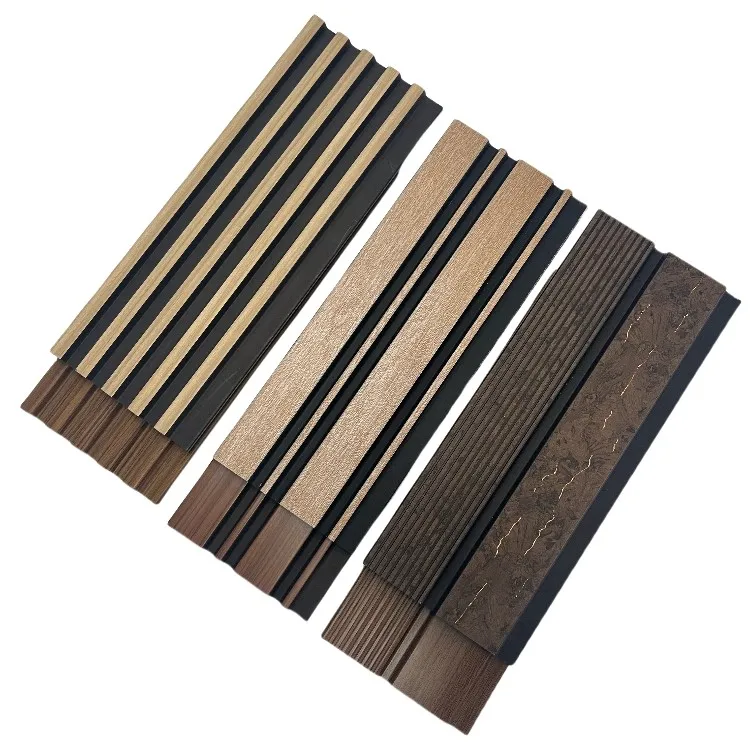
PS, or Polystyrene, is a synthetic aromatic hydrocarbon polymer made from the monomer styrene. PS wall panels are widely used in interior decoration due to their lightweight, easy - installation, and aesthetically pleasing features. They come in various types, such as PS 3d Wall Panel, PS Solid 3D Wall Panel, and Waterproof PS Wall Panel, which can meet different design and functional requirements.
The Production Process and Its Environmental Impact
The production of PS wall panels involves several steps. First, styrene monomers are polymerized to form polystyrene resin. This process typically requires a certain amount of energy, mainly in the form of heat for the polymerization reaction. However, compared to some traditional building materials like concrete or brick, the energy consumption in PS wall panel production is relatively lower.
In modern manufacturing plants, advanced technologies are employed to optimize the production process. For example, closed - loop systems are used to recycle and reuse solvents and other chemicals, reducing waste and emissions. Additionally, many manufacturers have implemented strict environmental management systems to ensure compliance with environmental regulations.
Material Sourcing and Sustainability
The raw material for PS wall panels, styrene, is derived from petroleum. This has raised concerns about the depletion of non - renewable resources. However, it's important to note that the amount of petroleum used in PS production is relatively small compared to other petroleum - based products like gasoline.

Moreover, efforts are being made to develop more sustainable sourcing methods. Some companies are exploring the use of bio - based styrene, which is derived from renewable resources such as plants. Although this technology is still in its early stages, it shows great potential for reducing the environmental impact of PS wall panel production in the future.
Energy Efficiency in Use
One of the significant advantages of PS wall panels is their energy - saving potential during use. These panels have good insulation properties, which can help reduce the energy consumption for heating and cooling in buildings. By maintaining a more stable indoor temperature, they can decrease the reliance on HVAC (Heating, Ventilation, and Air Conditioning) systems, thereby reducing greenhouse gas emissions associated with energy production.
For example, in a cold climate, PS wall panels can prevent heat from escaping the building, while in a hot climate, they can block the entry of external heat. This energy - saving feature makes them a more environmentally friendly choice compared to some other wall materials that do not offer such insulation benefits.
Durability and Long - Term Environmental Impact
PS wall panels are known for their durability. They are resistant to moisture, rot, and pests, which means they have a longer lifespan compared to some traditional wall materials. A longer lifespan implies that fewer replacements are needed over time, reducing the overall demand for raw materials and the associated environmental impact of production and disposal.
However, like any product, PS wall panels will eventually reach the end of their useful life. At this point, proper disposal methods are crucial. Fortunately, PS is a recyclable material. Recycling PS wall panels can help reduce waste sent to landfills and conserve resources. Many recycling facilities are equipped to handle PS materials, and some manufacturers even offer take - back programs for their products at the end of their life cycle.
Indoor Air Quality
Indoor air quality is an important aspect of environmental friendliness, especially when it comes to building materials. PS wall panels are generally considered to have a low impact on indoor air quality. They do not emit harmful volatile organic compounds (VOCs) in large quantities, which is beneficial for the health of building occupants.
In fact, compared to some paints or adhesives that may release high levels of VOCs, PS wall panels provide a more stable and healthy indoor environment. This is particularly important for spaces such as homes, offices, and schools, where people spend a significant amount of time.
Comparing with Other Wall Materials
When comparing PS wall panels with other common wall materials, we can see their relative environmental advantages. For instance, compared to wood wall panels, PS wall panels do not require the felling of trees, which helps protect forests and biodiversity.
Compared to ceramic tiles, the production of PS wall panels consumes less water and energy. Ceramic tile production involves high - temperature firing processes, which are energy - intensive, and large amounts of water are used in the manufacturing and finishing steps.
Conclusion
In conclusion, PS wall panels can be considered an eco - friendly choice in many aspects. Their relatively low energy consumption during production, potential for sustainable material sourcing, energy - saving properties in use, durability, recyclability, and good indoor air quality all contribute to their environmental friendliness.
However, it's important to choose products from reliable suppliers who adhere to strict environmental standards. As a PS wall panel supplier, we are committed to continuous improvement in environmental performance. We strive to use the latest technologies to reduce our environmental impact and provide our customers with high - quality, eco - friendly products.
If you are interested in our PS wall panels or have any questions about their eco - friendliness, please feel free to contact us for further discussion and procurement negotiation. We look forward to working with you to create a more sustainable and beautiful living or working environment.
References
- "Polystyrene: Properties, Production, and Applications" - Journal of Polymer Science
- "Environmental Impact Assessment of Building Materials" - International Journal of Sustainable Construction
- "Energy - Saving Building Materials and Their Applications" - Building and Environment Research