

Are PVC ceiling boards easy to store?
Oct 31, 2025
Leave a message
Hey there! As a supplier of PVC ceiling boards, I often get asked whether these boards are easy to store. Well, let's dive right into it and find out.
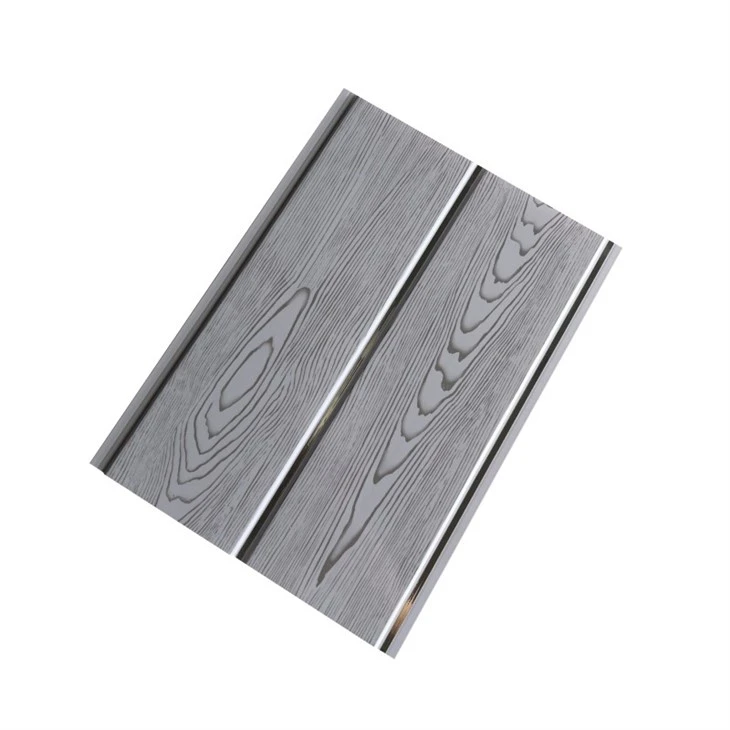
First off, let's talk about what PVC ceiling boards are. PVC, or polyvinyl chloride, is a type of plastic that's commonly used in construction because it's durable, lightweight, and relatively inexpensive. PVC Ceiling Board are made from this material and are used to cover ceilings, giving them a smooth, clean look. They come in a variety of colors, patterns, and sizes, making them a popular choice for both residential and commercial spaces.
Now, back to the question at hand: Are PVC ceiling boards easy to store? The short answer is yes, they are. But like anything else, there are a few things you need to keep in mind to ensure they stay in good condition.
Size and Shape
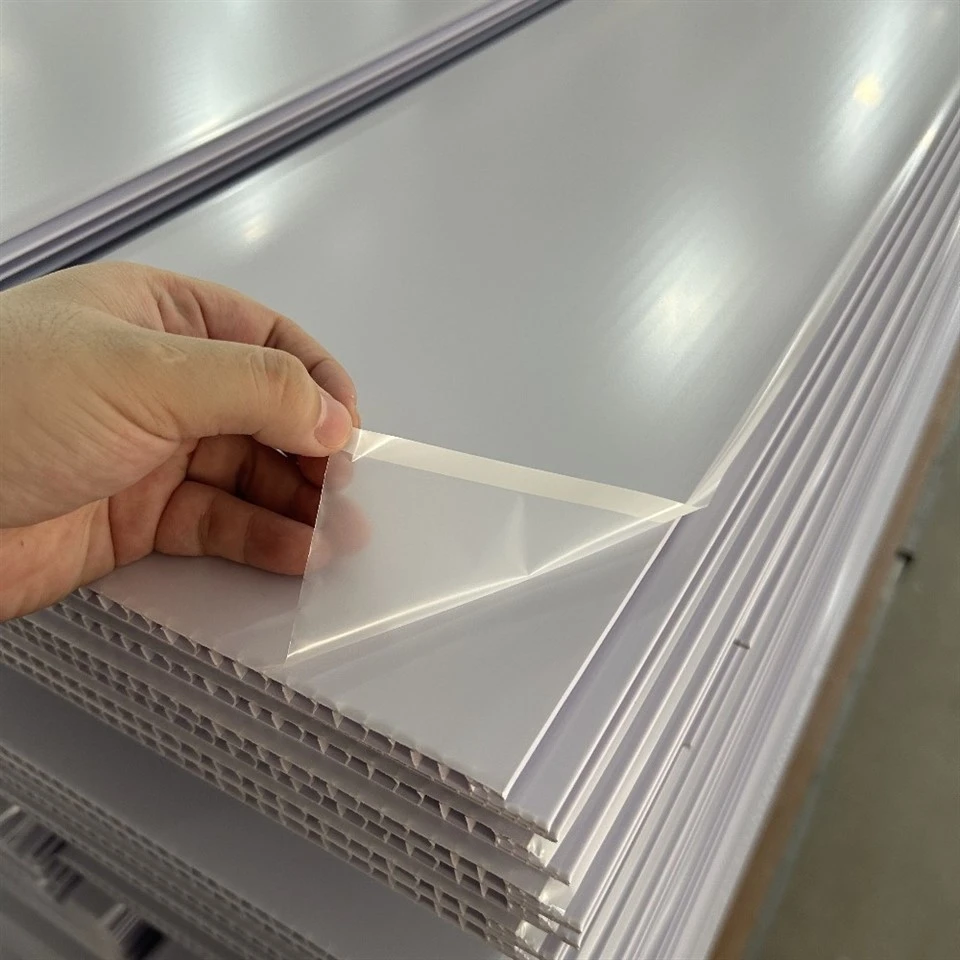
One of the great things about PVC Ceiling is their relatively standard size and shape. Most PVC ceiling boards come in long, rectangular sheets, which makes them easy to stack and store. You can stack them vertically or horizontally, depending on the space you have available. Just make sure the stack is stable and won't topple over.
If you have limited space, you can also consider storing the boards in a slanted position. This can help save space while still keeping the boards organized. However, be careful not to stack them too high, as this can cause the boards at the bottom to bend or warp under the weight.
Weight
Another advantage of PVC ceiling boards is their lightweight nature. Compared to other types of ceiling materials, such as wood or metal, PVC boards are much easier to handle and move around. This makes them ideal for storage, especially if you need to move them frequently.
You don't need any special equipment to store PVC ceiling boards. You can simply lift them by hand and place them in the storage area. However, if you're dealing with a large quantity of boards, it might be a good idea to use a dolly or a hand truck to make the process easier.
Durability
PVC ceiling boards are known for their durability. They are resistant to moisture, mold, and mildew, which means they can be stored in a variety of environments without worrying about damage. This is especially important if you live in an area with high humidity or if your storage area is prone to dampness.
However, while PVC boards are durable, they can still be damaged if they are not stored properly. Avoid storing them in direct sunlight, as this can cause the boards to fade or become brittle over time. Also, make sure the storage area is free from sharp objects or rough surfaces that could scratch or dent the boards.
Protection
To ensure your PVC ceiling boards stay in good condition during storage, it's a good idea to protect them. You can use protective covers or sheets to wrap the boards and prevent them from getting scratched or damaged. This is especially important if you're storing the boards for an extended period of time.
You can also use padding or cushions to protect the edges of the boards. This can help prevent them from chipping or breaking during handling or storage. Just make sure the padding is clean and dry to avoid any moisture buildup.
Organization
Proper organization is key when it comes to storing PVC ceiling boards. Keep the boards sorted by size, color, and pattern to make it easier to find what you need. You can use labels or tags to mark the stacks and keep track of the different types of boards.
If you have a large inventory of PVC ceiling boards, you might also consider using a storage system, such as shelves or racks. This can help keep the boards organized and make it easier to access them when you need them. Just make sure the shelves or racks are sturdy enough to support the weight of the boards.
Environmental Conditions
As mentioned earlier, PVC ceiling boards are resistant to moisture, mold, and mildew. However, extreme temperatures can still have an impact on their quality. Avoid storing the boards in areas that are too hot or too cold, as this can cause the boards to expand or contract, leading to warping or cracking.
The ideal storage temperature for PVC ceiling boards is between 50°F and 80°F (10°C and 27°C). If you need to store the boards in a colder or warmer environment, make sure to allow them to acclimate to the room temperature before installing them.
Handling and Transportation
When it comes to handling and transporting PVC ceiling boards, it's important to be careful. Avoid dragging the boards across rough surfaces, as this can cause scratches or damage. Instead, lift them gently and carry them with both hands.
If you're transporting the boards in a vehicle, make sure they are secured properly to prevent them from shifting or sliding during transit. You can use straps or ropes to tie the boards down and keep them in place.
Conclusion
In conclusion, PVC ceiling boards are relatively easy to store. Their standard size, lightweight nature, and durability make them a convenient option for both short-term and long-term storage. By following the tips mentioned above, you can ensure your PVC ceiling boards stay in good condition and are ready to use when you need them.
If you're in the market for Ceiling Board PVC, I'd love to help. We offer a wide range of high-quality PVC ceiling boards at competitive prices. Whether you're a contractor, a homeowner, or a DIY enthusiast, we have the perfect solution for your ceiling needs.
If you have any questions or would like to discuss your project in more detail, please don't hesitate to get in touch. We're here to help you every step of the way.
References
- General knowledge about PVC ceiling boards and storage practices.