

Are PVC ceiling panels resistant to mold and mildew?
Dec 16, 2025
Leave a message
Are PVC Ceiling Panels Resistant to Mold and Mildew?
As a supplier of PVC ceiling panels, I often get asked about the resistance of these panels to mold and mildew. It's a crucial question, especially considering that mold and mildew not only affect the aesthetic appeal of a ceiling but also pose health risks. In this blog, I'll delve into the science behind PVC ceiling panels' resistance to mold and mildew, explore the factors that influence this resistance, and share some real - world insights.
Understanding PVC Ceiling Panels
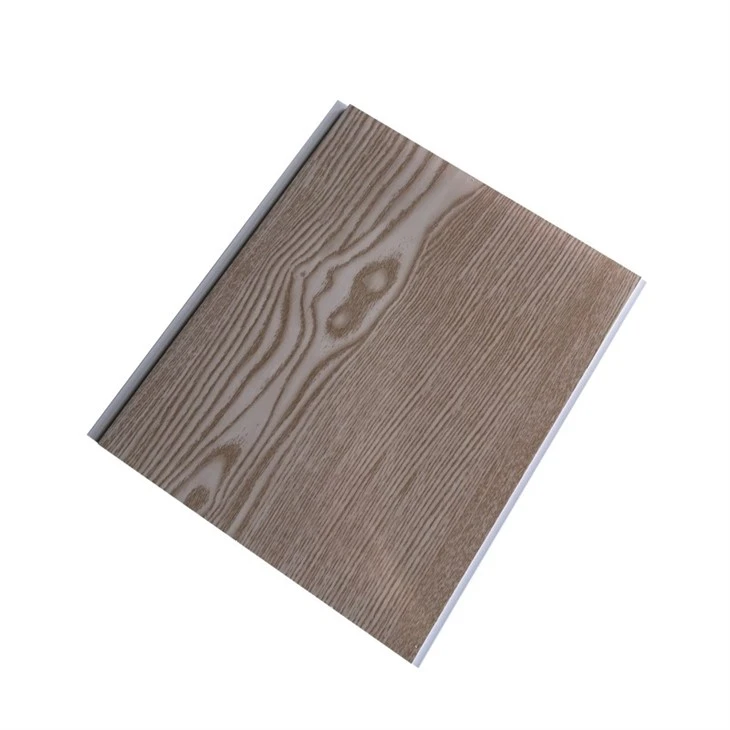
PVC, or polyvinyl chloride, is a synthetic plastic polymer known for its durability, versatility, and affordability. PVC ceiling panels are made by extruding or molding PVC into various shapes and sizes. They come in a wide range of designs, from simple flat panels to more intricate textured ones, and can mimic the look of wood, stone, or other materials. For instance, our PVC Wood Ceiling offers the warmth and charm of natural wood without the associated maintenance issues.
Why Mold and Mildew Are a Concern
Mold and mildew are types of fungi that thrive in damp, humid environments. When they grow on ceiling panels, they can cause discoloration, staining, and a musty odor. In addition, exposure to mold and mildew can trigger allergic reactions, respiratory problems, and other health issues, especially for people with weakened immune systems, asthma, or allergies.
The Mold - and Mildew - Resistance of PVC Ceiling Panels
One of the key advantages of PVC ceiling panels is their inherent resistance to mold and mildew. Unlike traditional ceiling materials such as wood, drywall, or plaster, PVC is a non - porous material. This means that it does not absorb moisture, which is a primary requirement for mold and mildew growth. Without a source of moisture to feed on, mold and mildew have a difficult time establishing a foothold on PVC ceiling panels.
In addition, PVC ceiling panels are often treated with anti - microbial agents during the manufacturing process. These agents help to inhibit the growth of mold and mildew by creating an unfavorable environment for their survival. As a result, PVC ceiling panels can maintain their appearance and integrity even in high - humidity areas such as bathrooms, kitchens, and basements. Our PVC Bathroom Ceiling Cladding is specifically designed to withstand the moist conditions commonly found in bathrooms.
Factors Affecting Mold and Mildew Resistance
While PVC ceiling panels are generally resistant to mold and mildew, several factors can affect their performance in this regard:

- Installation: Proper installation is crucial for ensuring the long - term mold and mildew resistance of PVC ceiling panels. If the panels are not installed correctly, gaps or joints may form, allowing moisture to seep behind the panels. This can create a moist environment where mold and mildew can grow. It's important to follow the manufacturer's installation instructions carefully and use appropriate sealants to prevent moisture infiltration.
- Ventilation: Adequate ventilation is essential for reducing humidity levels and preventing the buildup of moisture in a room. In areas with poor ventilation, such as small bathrooms or basements, the air can become stagnant, leading to high humidity and an increased risk of mold and mildew growth. Installing exhaust fans or opening windows regularly can help to improve air circulation and keep humidity levels in check.
- Cleaning and Maintenance: Regular cleaning and maintenance can also help to prevent mold and mildew growth on PVC ceiling panels. Using a mild detergent and a soft cloth, wipe down the panels periodically to remove dirt, dust, and any potential mold or mildew spores. Avoid using abrasive cleaners or scrubbers, as these can damage the surface of the panels and reduce their resistance to mold and mildew.
Real - World Examples
To illustrate the effectiveness of PVC ceiling panels in resisting mold and mildew, let's look at a few real - world examples. In a recent project, we installed our Cheap Ceiling Board PVC in a basement that had a history of mold problems. The basement was prone to flooding and had high humidity levels, making it an ideal breeding ground for mold and mildew.
After the installation of the PVC ceiling panels, the homeowners noticed a significant improvement in the air quality and the appearance of the basement. The panels remained free of mold and mildew, even during periods of heavy rain and high humidity. The homeowners were also pleased with the ease of maintenance and the cost - effectiveness of the PVC ceiling panels.
Conclusion
In conclusion, PVC ceiling panels are highly resistant to mold and mildew due to their non - porous nature and the use of anti - microbial agents. However, proper installation, ventilation, and maintenance are essential for ensuring their long - term performance in this regard. If you're looking for a ceiling solution that is both aesthetically pleasing and resistant to mold and mildew, PVC ceiling panels are an excellent choice.
If you're interested in learning more about our PVC ceiling panels or would like to discuss a potential project, please don't hesitate to contact us. We're here to answer your questions and help you find the perfect ceiling solution for your needs.
References
- "Mold and Mildew: Health Effects and Prevention." Centers for Disease Control and Prevention.
- "Polyvinyl Chloride (PVC) - Properties, Applications, and Recycling." Encyclopaedia Britannica.