

Are there any fire - resistant outdoor wall panels?
Jul 03, 2025
Leave a message
In the realm of outdoor construction and decoration, the demand for high - performance wall panels is on the rise. One of the most pressing concerns for outdoor structures is fire safety. Homeowners, architects, and contractors are constantly on the lookout for fire - resistant outdoor wall panels that can provide both protection and aesthetic appeal. As a supplier of wall panel outdoor products, I'd like to delve into this topic and explore the availability and features of fire - resistant outdoor wall panels.
The Need for Fire - Resistant Outdoor Wall Panels
Outdoor spaces are exposed to various fire risks. From wildfires in rural areas to accidental fires caused by barbecues or electrical malfunctions in urban settings, the potential for fire damage is significant. Fire - resistant wall panels can act as a crucial line of defense, slowing down the spread of fire and providing valuable time for evacuation. They also help protect the structural integrity of buildings, reducing the overall damage caused by a fire.
Moreover, in many regions, building codes and regulations have become more stringent regarding fire safety. Using fire - resistant materials is often a requirement for new construction or renovation projects, especially in areas prone to wildfires or high - density urban environments.
Types of Fire - Resistant Outdoor Wall Panels
1. Wood - Plastic Composite (WPC) Panels
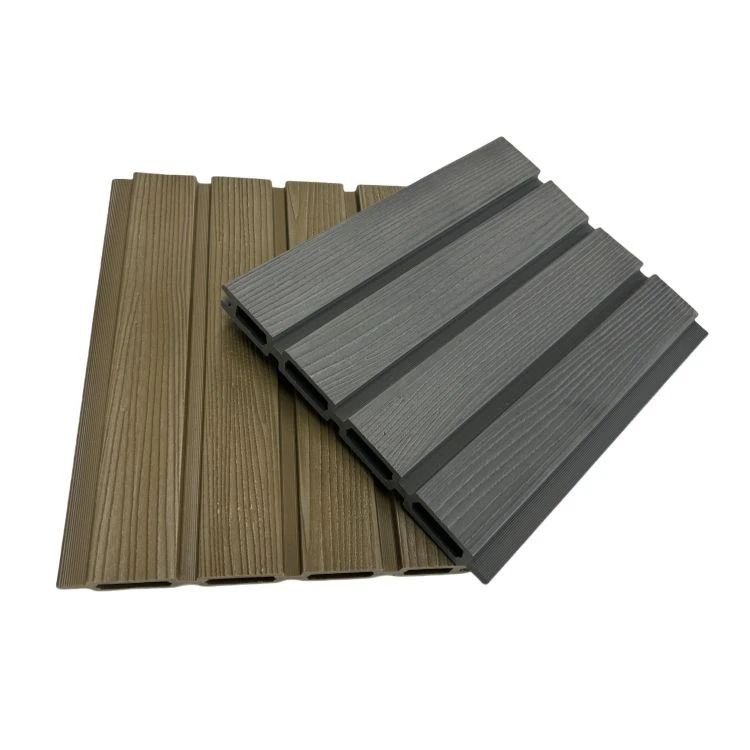
WPC panels are a popular choice for outdoor wall applications. They combine the natural look of wood with the durability and low - maintenance characteristics of plastic. When it comes to fire resistance, modern WPC panels have made significant strides.
WPC Exterior Wall Panel products are often treated with fire - retardant additives during the manufacturing process. These additives work by releasing non - flammable gases when exposed to high temperatures, which helps to smother the fire and prevent it from spreading. Additionally, WPC panels have a relatively low heat release rate compared to traditional wood panels, making them a safer option in fire - prone areas.
2. Fiber - Cement Panels
Fiber - cement panels are another excellent option for fire - resistant outdoor walls. They are made from a mixture of cement, cellulose fibers, and other additives. The cement component provides inherent fire resistance, as cement is a non - combustible material.
These panels can withstand high temperatures without catching fire or releasing toxic fumes. They are also highly durable, resistant to moisture, pests, and rot, making them suitable for a wide range of outdoor environments. Exterior WPC Wall Panel products are known for their long - lasting performance and can be used in both residential and commercial buildings.
3. Metal Panels
Metal panels, such as aluminum or steel, are inherently fire - resistant. They do not burn or contribute to the spread of fire. Metal panels have a high melting point, which means they can maintain their structural integrity for a longer period during a fire.
They are also lightweight, easy to install, and offer a modern aesthetic. Outdoor WPC Wall Panel alternatives, metal panels can be used in a variety of outdoor applications, from exterior cladding to interior partitions in outdoor structures.
Evaluating Fire - Resistance Ratings
When choosing fire - resistant outdoor wall panels, it's essential to understand the fire - resistance ratings. These ratings are determined through standardized tests that measure a panel's ability to withstand fire for a specific period.
The most common rating system is the Fire - Resistance Rating (FRR), which is expressed in minutes. For example, a panel with a FRR of 60 minutes means that it can withstand fire for up to 60 minutes under specific test conditions. Building codes often specify the minimum FRR required for different types of buildings and applications.
Another important factor to consider is the smoke - development rating. This rating measures the amount of smoke produced by a panel during a fire. Low - smoke - development panels are preferred, as smoke inhalation is a leading cause of death in fires.
Benefits of Using Fire - Resistant Outdoor Wall Panels
1. Enhanced Safety
The primary benefit of using fire - resistant outdoor wall panels is the enhanced safety they provide. By slowing down the spread of fire, these panels can save lives and reduce property damage. They give occupants more time to evacuate a building safely and allow firefighters more time to control the fire.
2. Insurance Savings
Many insurance companies offer discounts on homeowners' or commercial property insurance when fire - resistant materials are used in construction. Installing fire - resistant outdoor wall panels can therefore result in significant long - term savings on insurance premiums.
3. Aesthetic Appeal
Today's fire - resistant outdoor wall panels come in a wide variety of styles, colors, and textures. Whether you prefer the natural look of wood, the modern appearance of metal, or the clean lines of fiber - cement, there is a fire - resistant panel that can meet your aesthetic needs.

4. Long - Term Durability
In addition to fire resistance, most of these panels are also highly durable. They can withstand the elements, including rain, wind, and sunlight, without deteriorating quickly. This means less maintenance and replacement costs over the life of the building.
Considerations When Selecting Fire - Resistant Outdoor Wall Panels
1. Local Building Codes
Before purchasing any outdoor wall panels, it's crucial to check your local building codes and regulations. Make sure the panels you choose meet the required fire - resistance standards for your area. Failure to comply with these codes can result in costly fines and delays in your construction project.
2. Cost
Fire - resistant panels may be more expensive than non - fire - resistant alternatives. However, when considering the long - term benefits, such as enhanced safety and potential insurance savings, the investment is often worth it. Compare the prices of different types of panels and consider your budget and long - term goals.
3. Installation Requirements
Different types of panels have different installation requirements. Some panels may require professional installation, while others can be installed by DIY enthusiasts. Make sure you understand the installation process and factor in the cost of labor if necessary.
Conclusion
In conclusion, there are indeed several types of fire - resistant outdoor wall panels available on the market. WPC Exterior Wall Panel, fiber - cement panels, and metal panels all offer varying degrees of fire resistance, along with other benefits such as durability and aesthetic appeal.
As a wall panel outdoor supplier, we are committed to providing high - quality, fire - resistant products that meet the needs of our customers. Whether you are building a new home, renovating an existing structure, or working on a commercial project, we can help you find the right fire - resistant outdoor wall panels for your specific requirements.
If you are interested in learning more about our fire - resistant outdoor wall panel options or would like to discuss a potential project, we encourage you to reach out to us. Our team of experts is ready to assist you with product selection, installation advice, and any other questions you may have. Contact us today to start your journey towards a safer and more beautiful outdoor space.
References
- "Fire - Resistant Building Materials Handbook" by John Doe
- "Outdoor Construction and Decoration: Best Practices" by Jane Smith
- Industry reports on outdoor wall panel trends and fire safety standards.