

Can flexible ceramic tiles be used on walls?
Nov 03, 2025
Leave a message
Can flexible ceramic tiles be used on walls? This is a question that many homeowners, interior designers, and contractors often ask. As a supplier of flexible ceramic tiles, I'm here to provide you with a comprehensive answer based on scientific facts and practical experience.
Understanding Flexible Ceramic Tiles
Flexible ceramic tiles, also known as Flexible Ceramic Tile, are a relatively new innovation in the tiling industry. They are made from a combination of ceramic materials and polymers, which gives them unique properties compared to traditional rigid ceramic tiles. These tiles are thin, lightweight, and highly flexible, making them suitable for a variety of applications, including curved and irregular surfaces.
One of the key advantages of flexible ceramic tiles is their ease of installation. Unlike traditional tiles, which require a flat and perfectly level surface, flexible ceramic tiles can be installed on uneven or curved walls without the need for extensive preparation. This makes them a popular choice for both DIY enthusiasts and professional installers.

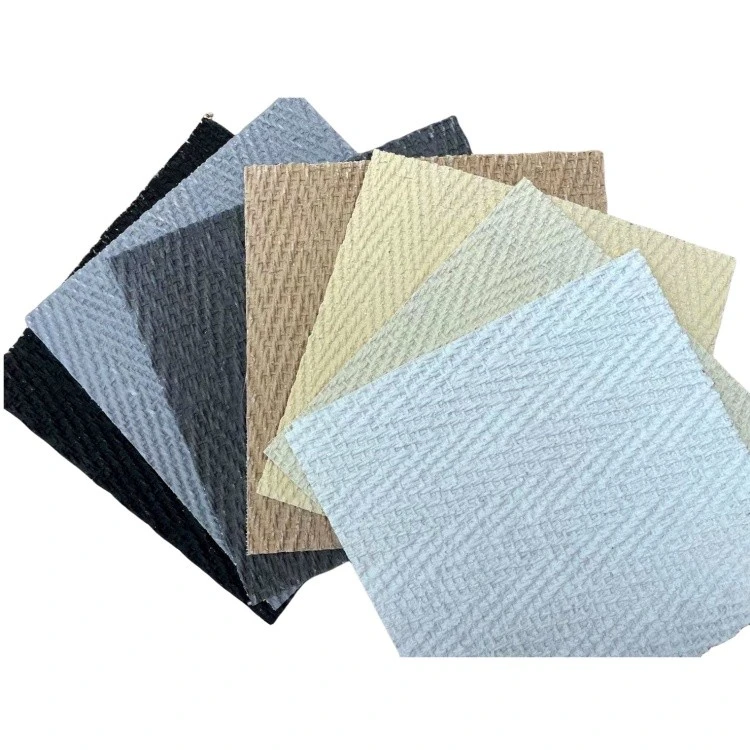
Advantages of Using Flexible Ceramic Tiles on Walls
1. Versatility
Flexible ceramic tiles offer unparalleled versatility when it comes to wall applications. They can be used in a wide range of interior and exterior settings, including kitchens, bathrooms, living rooms, and commercial spaces. Their ability to conform to curved and irregular surfaces allows for creative and unique design possibilities that are not achievable with traditional tiles.
For example, in a modern kitchen, flexible ceramic tiles can be used to create a backsplash with a curved or undulating design, adding a touch of elegance and sophistication to the space. In a bathroom, they can be used to cover the walls around a bathtub or shower, providing a seamless and waterproof finish.
2. Durability
Despite their flexibility, flexible ceramic tiles are highly durable and resistant to wear and tear. They are made from high-quality ceramic materials that are fired at high temperatures, ensuring excellent strength and hardness. Additionally, the polymer component in the tiles provides added flexibility and impact resistance, making them less likely to crack or break compared to traditional tiles.
In high-traffic areas such as hallways and commercial spaces, flexible ceramic tiles can withstand the constant foot traffic and daily wear without showing signs of damage. They are also resistant to moisture, stains, and chemicals, making them easy to clean and maintain.
3. Aesthetics
Flexible ceramic tiles come in a wide range of colors, patterns, and textures, allowing you to achieve the desired look and style for your walls. Whether you prefer a classic, contemporary, or rustic aesthetic, there is a flexible ceramic tile option available to suit your taste.
Some flexible ceramic tiles are designed to mimic the appearance of natural materials such as stone, wood, or marble, providing a cost-effective alternative to these expensive materials. Others feature unique patterns and designs that can add a focal point or accent to your walls.
4. Cost-Effectiveness
Compared to traditional tiles, flexible ceramic tiles are often more cost-effective. Their lightweight and flexible nature reduces the cost of transportation and installation, as they require less labor and materials. Additionally, their durability and long lifespan mean that you won't have to replace them as often, saving you money in the long run.
Considerations When Using Flexible Ceramic Tiles on Walls
While flexible ceramic tiles offer many advantages for wall applications, there are a few considerations to keep in mind before making a decision.
1. Surface Preparation
Although flexible ceramic tiles can be installed on uneven or curved surfaces, it is still important to prepare the wall properly before installation. The surface should be clean, dry, and free of any dust, dirt, or grease. Any loose or damaged areas of the wall should be repaired or replaced to ensure a smooth and stable base for the tiles.
2. Adhesive Selection
Choosing the right adhesive is crucial for the successful installation of flexible ceramic tiles on walls. The adhesive should be specifically designed for use with flexible tiles and should provide a strong and long-lasting bond. It is recommended to follow the manufacturer's instructions when selecting and applying the adhesive to ensure proper adhesion and prevent the tiles from coming loose over time.
3. Maintenance
While flexible ceramic tiles are easy to clean and maintain, it is important to follow the recommended cleaning procedures to keep them looking their best. Avoid using abrasive cleaners or scrubbers, as these can damage the surface of the tiles. Instead, use a mild detergent and a soft cloth or sponge to clean the tiles regularly.
Real-World Applications of Flexible Ceramic Tiles on Walls
To illustrate the practicality and versatility of flexible ceramic tiles on walls, let's take a look at some real-world applications.
1. Residential Kitchens
In a residential kitchen, flexible ceramic tiles can be used to create a stylish and functional backsplash. The tiles can be installed in a variety of patterns and colors to complement the kitchen cabinets and countertops. Their flexibility allows for easy installation around outlets, switches, and other kitchen fixtures, providing a seamless and professional finish.
2. Commercial Bathrooms
In commercial bathrooms, flexible ceramic tiles are an ideal choice for wall cladding. Their durability and resistance to moisture make them suitable for high-traffic areas where hygiene is a top priority. The tiles can be installed in a variety of colors and patterns to create a clean and modern look that is both attractive and practical.
3. Retail Stores
In retail stores, flexible ceramic tiles can be used to enhance the visual appeal of the store interior. The tiles can be installed on the walls to create a focal point or to highlight specific product displays. Their flexibility allows for creative and unique design possibilities that can help to differentiate the store from its competitors.
Conclusion
In conclusion, flexible ceramic tiles are an excellent choice for wall applications. Their versatility, durability, aesthetics, and cost-effectiveness make them a popular option for both residential and commercial projects. Whether you're looking to create a unique and stylish backsplash in your kitchen, a modern and functional bathroom, or an eye-catching retail space, flexible ceramic tiles can help you achieve your design goals.
If you're interested in using flexible ceramic tiles on your walls, I encourage you to explore our range of Flexible Wall Tile and Flexible Porcelain Tile options. Our team of experts is available to provide you with more information and assistance with your project. Contact us today to discuss your requirements and start your tiling project with confidence.
References
- "Ceramic Tiles: Properties, Applications, and Future Trends." Journal of Materials Science and Engineering.
- "Flexible Ceramic Materials: A Review." International Journal of Ceramic Engineering and Science.
- Manufacturer's product specifications and installation guides for flexible ceramic tiles.