

Can PVC ceiling boards be installed over existing ceilings?
Sep 30, 2025
Leave a message
Hey there! As a supplier of PVC ceiling boards, I often get asked this question: Can PVC ceiling boards be installed over existing ceilings? Well, let's dive right in and explore this topic.
First off, the short answer is yes, in most cases, you can install PVC ceiling boards over existing ceilings. There are quite a few reasons why someone might want to do this. Maybe the existing ceiling has some minor imperfections like small cracks or uneven surfaces that they don't want to deal with the hassle of fixing. Or perhaps they're looking for a quick and cost - effective way to give their space a fresh new look.
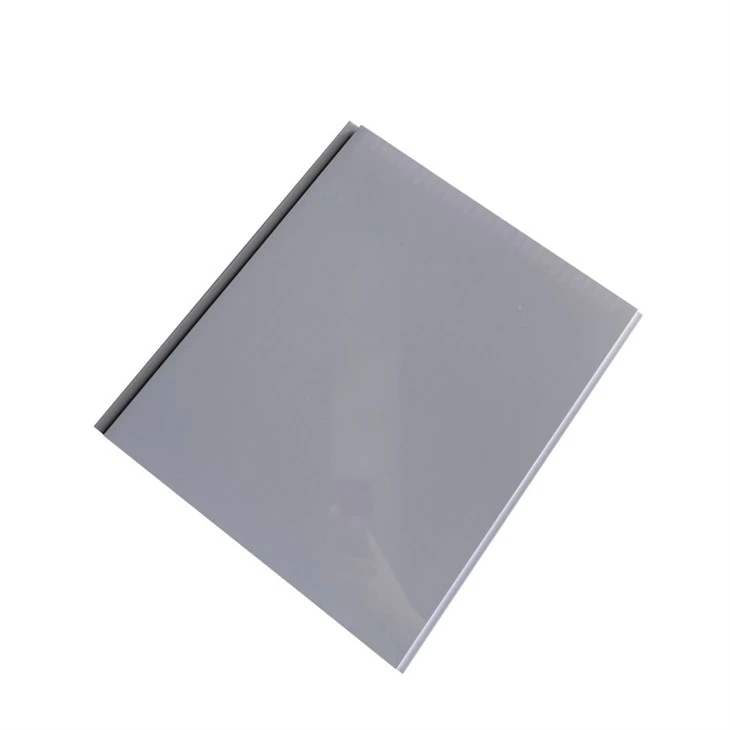
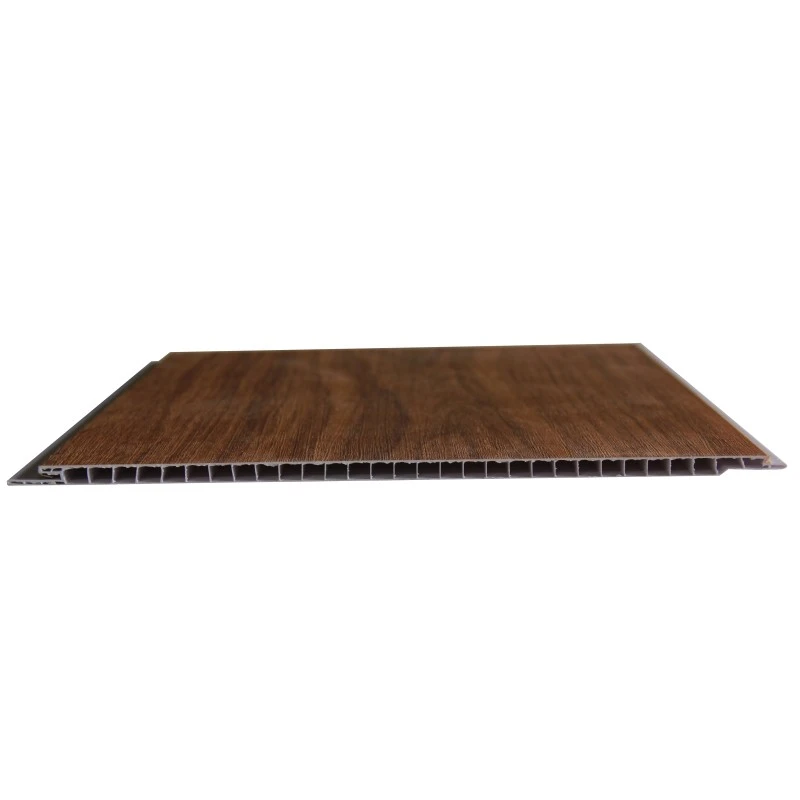
One of the major advantages of installing PVC ceiling boards over an existing ceiling is the time and cost savings. Tearing down an old ceiling, disposing of the debris, and then installing a new one from scratch can be a long and expensive process. With PVC ceiling boards, you can skip all that. You just need to make sure the existing ceiling is relatively stable and clean.
Let's talk about the types of existing ceilings that are suitable for PVC ceiling board installation. For drywall ceilings, they're usually a great candidate. Drywall is smooth and provides a good base for the PVC boards. As long as there are no major structural issues or water damage, you can go ahead and install the PVC boards. Just use the right adhesive or fasteners, and you're good to go.
Plaster ceilings can also work, but you need to be a bit more careful. Plaster can be brittle, so you have to make sure it's firmly attached to the ceiling joists. If there are any loose areas, it's best to fix them before installing the PVC boards. You might need to use a stronger adhesive or mechanical fasteners to ensure the PVC boards stay in place.
Now, let's look at some of the installation methods. One common way is using adhesive. There are special adhesives designed for PVC ceiling boards that can bond them securely to the existing ceiling. You just apply the adhesive evenly on the back of the PVC board and press it firmly against the ceiling. Another method is using mechanical fasteners like nails or screws. This is especially useful for heavier PVC boards or when you need extra stability.
When it comes to the different types of PVC ceiling boards we offer, we have a wide range. Check out our PVC Ceiling Panel Ceiling Tile. These tiles are easy to install and come in a variety of styles and colors, so you can find the perfect match for your space.
If you're on a budget, our Cheap PVC Tongue And Groove Ceiling is a great option. The tongue - and - groove design makes installation a breeze, and they still look great. And for those who are looking for something for their bathrooms, our PVC Bathroom Ceiling is moisture - resistant and perfect for that humid environment.
However, there are some situations where you might not want to install PVC ceiling boards over an existing ceiling. If the existing ceiling has severe water damage, mold, or structural problems, it's better to address those issues first. Installing PVC boards over a damaged ceiling won't solve the underlying problems and could lead to more issues down the road.
Also, if the existing ceiling is extremely uneven, it might be difficult to get a smooth finish with the PVC boards. In such cases, you might need to use furring strips to create a level surface before installation.
Another thing to consider is the ventilation. If the existing ceiling has a ventilation system, make sure that installing the PVC boards won't block it. Proper ventilation is crucial, especially in areas like bathrooms and kitchens, to prevent moisture buildup and mold growth.
Let's talk about the aesthetic benefits of installing PVC ceiling boards over existing ceilings. They can completely transform the look of a room. Whether you want a modern, sleek look or a more traditional style, there's a PVC ceiling board option for you. You can choose from different textures, colors, and patterns to create a unique and inviting space.
In terms of maintenance, PVC ceiling boards are a dream. They're easy to clean. You just need to wipe them down with a damp cloth and some mild detergent. They're also resistant to stains, scratches, and moisture, which makes them perfect for high - traffic areas or areas prone to spills.
Now, I want to touch on the environmental aspect. PVC ceiling boards are made from polyvinyl chloride, which has been a bit controversial in terms of its environmental impact. However, our PVC ceiling boards are made with the latest technology to minimize any negative effects. They're also durable, which means they don't need to be replaced as often, reducing waste in the long run.
So, if you're thinking about installing PVC ceiling boards over your existing ceiling, I hope this blog has given you a good idea of what to expect. We're here to help you every step of the way. Whether you have questions about the installation process, which type of board is best for your space, or anything else, don't hesitate to reach out.
We're always happy to have a chat about your project and see how we can assist you. If you're interested in purchasing our PVC ceiling boards, we're ready to start the conversation. Just get in touch, and we can discuss the details, including pricing, delivery, and installation tips.
In conclusion, installing PVC ceiling boards over existing ceilings is a practical and cost - effective way to upgrade your space. With the right preparation and installation, you can achieve a beautiful and long - lasting ceiling. So, why wait? Let's make your ceiling dreams a reality.
References
- General knowledge of PVC ceiling board installation and construction practices.
- Product specifications and guidelines provided by the PVC ceiling board manufacturing industry.