

Can PVC ceiling boards be used in a spa?
Jul 16, 2025
Leave a message
Can PVC ceiling boards be used in a spa? This is a question that many spa owners, designers, and contractors often ask. As a PVC ceiling board supplier, I've encountered this query numerous times. In this blog post, I'll explore the suitability of PVC ceiling boards for spa environments, highlighting their advantages, potential drawbacks, and considerations for use.
Advantages of Using PVC Ceiling Boards in a Spa
Moisture Resistance
One of the primary concerns in a spa is the high level of humidity. Spa areas are constantly exposed to steam, hot water, and moisture, which can cause traditional ceiling materials like wood or drywall to warp, rot, or develop mold. PVC ceiling boards, on the other hand, are highly resistant to moisture. They do not absorb water, which means they won't swell, warp, or decay when exposed to high humidity levels. This makes them an ideal choice for spa ceilings, as they can withstand the damp conditions without losing their structural integrity.
Easy to Clean
Spa environments need to be kept clean and hygienic to ensure the health and safety of customers. PVC ceiling boards are very easy to clean. They have a smooth surface that doesn't attract dirt, dust, or grime easily. A simple wipe with a damp cloth or a mild cleaning solution is usually enough to keep them looking clean and fresh. This is a significant advantage over other ceiling materials that may require more intensive cleaning methods or special cleaning products.
Cost-Effective
Compared to some other ceiling materials, such as natural stone or high-end wood, PVC ceiling boards are relatively inexpensive. They offer a cost-effective solution for spa owners who want to create an attractive and functional ceiling without breaking the bank. Additionally, their long lifespan and low maintenance requirements mean that they can save money in the long run.
Design Flexibility
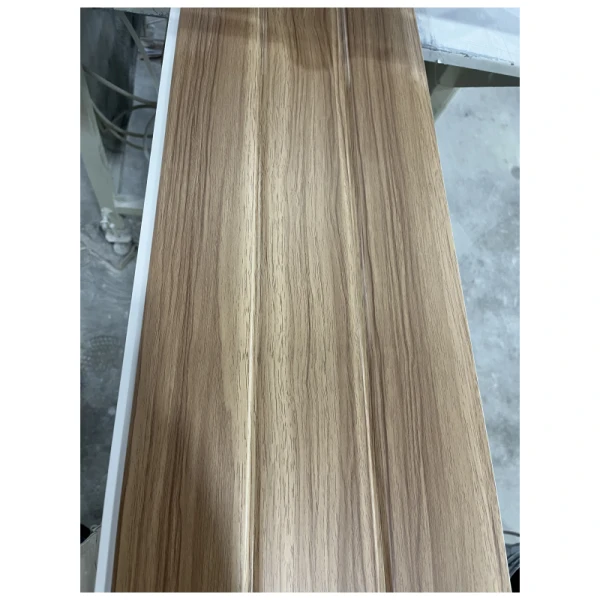
PVC ceiling boards come in a wide range of colors, patterns, and textures, which allows for great design flexibility. Whether you're going for a modern, minimalist look or a more traditional, luxurious style, there's a PVC ceiling board option to suit your needs. You can choose from solid colors, wood grain patterns, or even custom-printed designs to create a unique and personalized spa environment. For example, you might consider using PVC Cladding Bathroom Ceiling to add a touch of elegance to your spa.
Lightweight
PVC ceiling boards are lightweight, which makes them easy to install. This can save time and labor costs during the installation process. Their lightweight nature also means that they put less stress on the supporting structure of the spa, reducing the risk of structural damage over time.
Potential Drawbacks of Using PVC Ceiling Boards in a Spa
Heat Resistance
While PVC ceiling boards are generally resistant to moisture, they may not be as heat-resistant as some other materials. In a spa, there may be areas with high temperatures, such as near hot tubs or steam rooms. If the PVC ceiling boards are exposed to extremely high temperatures for an extended period, they may start to warp or melt. It's important to ensure that the PVC ceiling boards are installed at a safe distance from heat sources or that appropriate insulation is used to protect them from excessive heat.
Environmental Concerns
PVC is a synthetic plastic material that is made from petroleum-based chemicals. Some people have concerns about the environmental impact of using PVC products. PVC production can release harmful chemicals into the environment, and when PVC products are disposed of, they can take a long time to break down. However, many modern PVC ceiling boards are made with more environmentally friendly processes and materials, and some are even recyclable.
Considerations for Using PVC Ceiling Boards in a Spa
Quality
When choosing PVC ceiling boards for a spa, it's important to select high-quality products. Look for boards that are made from durable materials and have a good reputation for performance. Low-quality PVC ceiling boards may not be as resistant to moisture or heat, and they may not last as long. You can also consider Resilient PVC Ceiling Panel Colombia for a more durable option.

Installation
Proper installation is crucial for the performance of PVC ceiling boards in a spa. Make sure that the boards are installed correctly, with adequate ventilation to prevent the buildup of moisture. The joints between the boards should be sealed properly to prevent water from seeping through. It's also a good idea to hire a professional installer who has experience working with PVC ceiling boards in spa environments.
Maintenance
While PVC ceiling boards are relatively easy to maintain, regular maintenance is still necessary to ensure their long-term performance. Check the boards regularly for any signs of damage, such as cracks or warping. Clean the boards regularly to prevent the buildup of dirt and grime. If any damage is detected, it should be repaired or replaced as soon as possible to prevent further problems.
Code Compliance
Before installing PVC ceiling boards in a spa, it's important to check local building codes and regulations. Some areas may have specific requirements for ceiling materials in commercial spa environments, such as fire resistance or ventilation requirements. Make sure that the PVC ceiling boards you choose meet all relevant code requirements.
Conclusion
In conclusion, PVC ceiling boards can be a suitable option for use in a spa. They offer many advantages, such as moisture resistance, easy cleaning, cost-effectiveness, design flexibility, and lightweight installation. However, there are also some potential drawbacks, such as heat resistance and environmental concerns, that need to be considered. By choosing high-quality products, ensuring proper installation and maintenance, and complying with local building codes, you can use PVC ceiling boards to create a beautiful and functional ceiling for your spa.
If you're interested in learning more about our PVC ceiling boards or have any questions about using them in your spa, please feel free to contact us. We're here to help you make the best decision for your project. You may also want to explore our Cheap PVC Ceiling Trim for additional finishing touches.
References
- "The Handbook of PVC Technology" by William V. Titow
- "Building Materials and Technology in Architecture" by Edward Allen and Joseph Iano