

Can PVC ceiling cladding be painted?
Jun 25, 2025
Leave a message
Hey there! As a supplier of PVC ceiling cladding, I often get asked a bunch of questions. One of the most common ones is, "Can PVC ceiling cladding be painted?" Well, let's dive right into this topic and figure it out together.
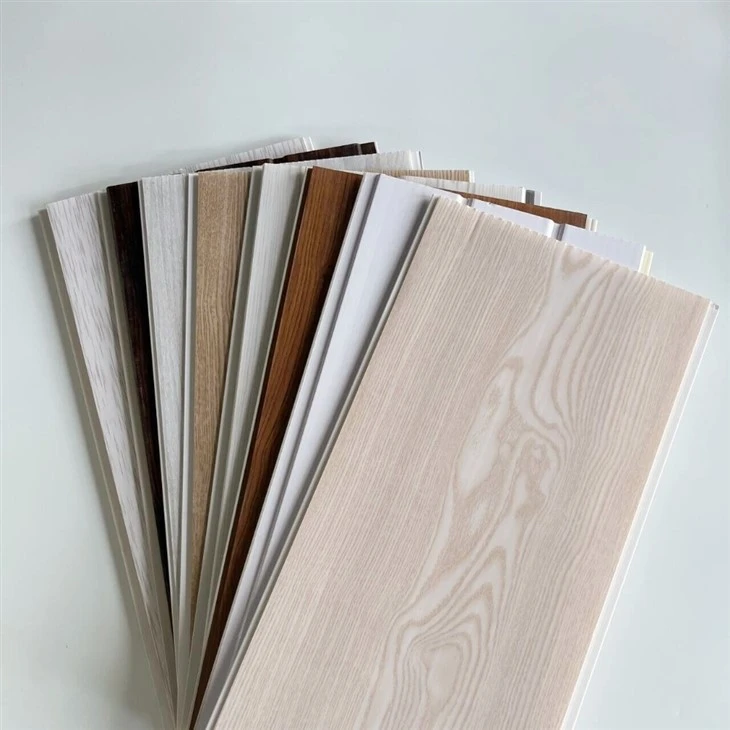
First off, let's talk a bit about what PVC ceiling cladding is. PVC, or polyvinyl chloride, is a type of plastic that's widely used in construction and home improvement. PVC ceiling cladding is a popular choice for many homeowners and businesses because it's affordable, easy to install, and low - maintenance. You can check out our PVC Wood Ceiling Panel for a great example of how stylish and practical PVC ceiling cladding can be.
Now, back to the main question: Can you paint PVC ceiling cladding? The short answer is yes, you can paint PVC ceiling cladding, but there are some important things to keep in mind.
The Pros of Painting PVC Ceiling Cladding
One of the biggest advantages of painting PVC ceiling cladding is that it allows you to customize the look of your space. Maybe you've got a new interior design scheme in mind, or you just want to give your room a fresh new look. Painting the PVC ceiling cladding can help you achieve that. You can choose any color you like, from bright and bold to soft and neutral, to match your decor.
Another pro is that painting can help protect the PVC ceiling cladding. A good coat of paint can act as a barrier against dirt, moisture, and UV rays, which can extend the lifespan of the cladding. It can also cover up any minor scratches or imperfections on the surface, making your ceiling look brand new.
The Cons of Painting PVC Ceiling Cladding
However, there are also some downsides to painting PVC ceiling cladding. One of the main issues is adhesion. PVC is a smooth and non - porous material, which means that paint doesn't stick to it as well as it does to other surfaces like wood or drywall. If the paint doesn't adhere properly, it can start to peel or flake off over time, which can be a real eyesore.
Another problem is that painting can void the warranty of the PVC ceiling cladding. Most manufacturers don't recommend painting their products because they can't guarantee how the paint will interact with the PVC. So, if you paint the cladding and then run into any issues with it, you might not be able to get it replaced or repaired under warranty.
Preparing the PVC Ceiling Cladding for Painting
If you've decided that you want to go ahead and paint your PVC ceiling cladding, the first step is to prepare the surface. This is crucial for ensuring good adhesion and a long - lasting paint job.
First, clean the ceiling thoroughly. Use a mild detergent and warm water to remove any dirt, dust, grease, or grime from the surface. You can use a sponge or a soft cloth to wipe it down. Rinse the surface well with clean water and let it dry completely.
Next, sand the surface lightly. This will help to create a rough texture that the paint can grip onto. Use a fine - grit sandpaper (around 120 - 150 grit) and sand the entire surface of the PVC ceiling cladding. Make sure to sand evenly and avoid creating any deep scratches. After sanding, wipe away any dust with a clean, dry cloth.
Choosing the Right Paint
Not all paints are suitable for PVC ceiling cladding. You need to choose a paint that's specifically designed for use on plastic surfaces. Look for a paint that's labeled as "PVC - compatible" or "for use on plastics."
Acrylic latex paints are a popular choice for painting PVC. They're durable, easy to clean, and come in a wide range of colors. You can also choose a paint with a high - gloss or semi - gloss finish, which will make the ceiling easier to clean and more resistant to moisture.
Painting the PVC Ceiling Cladding
Once you've prepared the surface and chosen the right paint, it's time to start painting. Use a high - quality paintbrush or a roller to apply the paint. Start by cutting in around the edges of the ceiling with a paintbrush, and then use a roller to fill in the rest of the surface.
Apply thin, even coats of paint. Don't try to apply too much paint at once, as this can cause drips and runs. Let each coat dry completely before applying the next one. Depending on the type of paint you're using, you may need to apply two or three coats for full coverage.

Aftercare
After you've finished painting the PVC ceiling cladding, it's important to take good care of it. Avoid touching the painted surface while it's still drying, as this can leave fingerprints or smudges. Once the paint is fully dry, you can clean the ceiling as usual, but use a gentle cleaner and a soft cloth to avoid scratching the paint.
If you're looking for some other great options for PVC ceiling cladding, check out our Cheap PVC Ceiling Planks and Tongue And Groove PVC Ceiling. These products are not only affordable but also easy to install and maintain.
So, there you have it! Painting PVC ceiling cladding is possible, but it does require some careful preparation and the right materials. If you have any more questions about PVC ceiling cladding or painting it, feel free to reach out. We're here to help you make the best choice for your space. Whether you're a homeowner looking to spruce up your living room or a business owner renovating your office, we've got the products and expertise to meet your needs. Contact us to discuss your procurement requirements and let's work together to create a beautiful ceiling for your project.
References
- "Painting PVC: A Guide for DIYers." Home Improvement Magazine, 2022.
- Manufacturer's guidelines for PVC ceiling cladding.