

Can pvc foam panel be used in industrial settings?
May 26, 2025
Leave a message
Can PVC Foam Panel Be Used in Industrial Settings?
In the vast landscape of industrial materials, the search for the right product that balances cost - effectiveness, durability, and functionality is ongoing. As a PVC foam panel supplier, I've witnessed firsthand the growing interest in using PVC foam panels in industrial settings. In this blog, I'll explore the viability of PVC foam panels in such environments.
Properties of PVC Foam Panels
PVC foam panels are made from polyvinyl chloride (PVC), a widely used thermoplastic polymer. The foaming process gives these panels unique properties. Firstly, they are lightweight. Compared to solid PVC or other traditional industrial materials like metal or wood, the reduced weight makes them easier to handle, transport, and install. This is a significant advantage in industrial applications where large - scale installations are common.
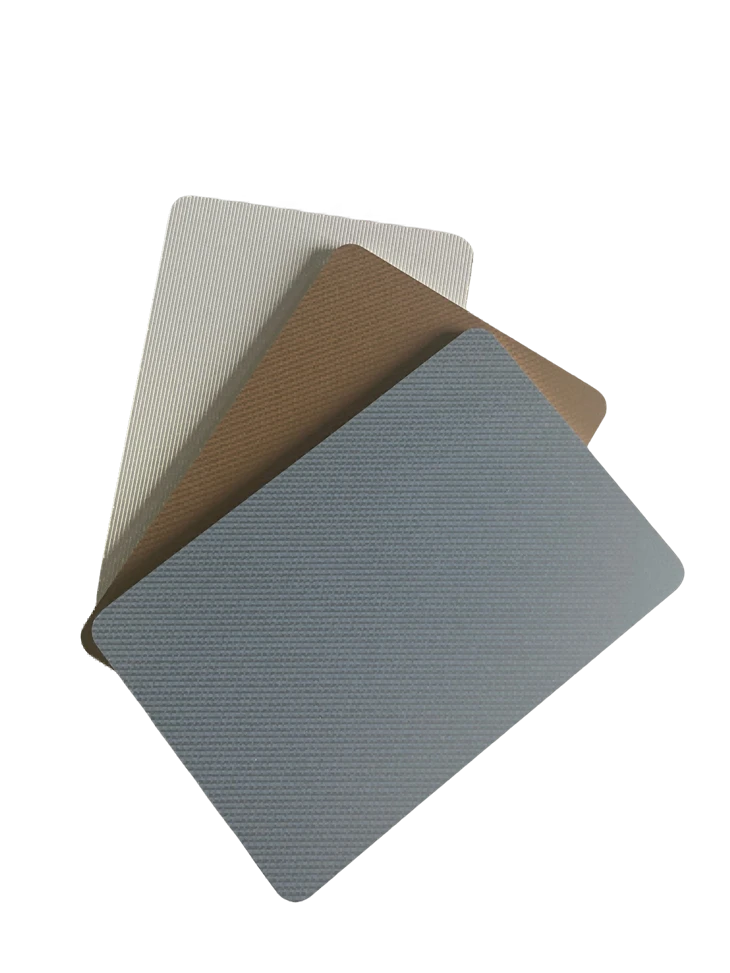
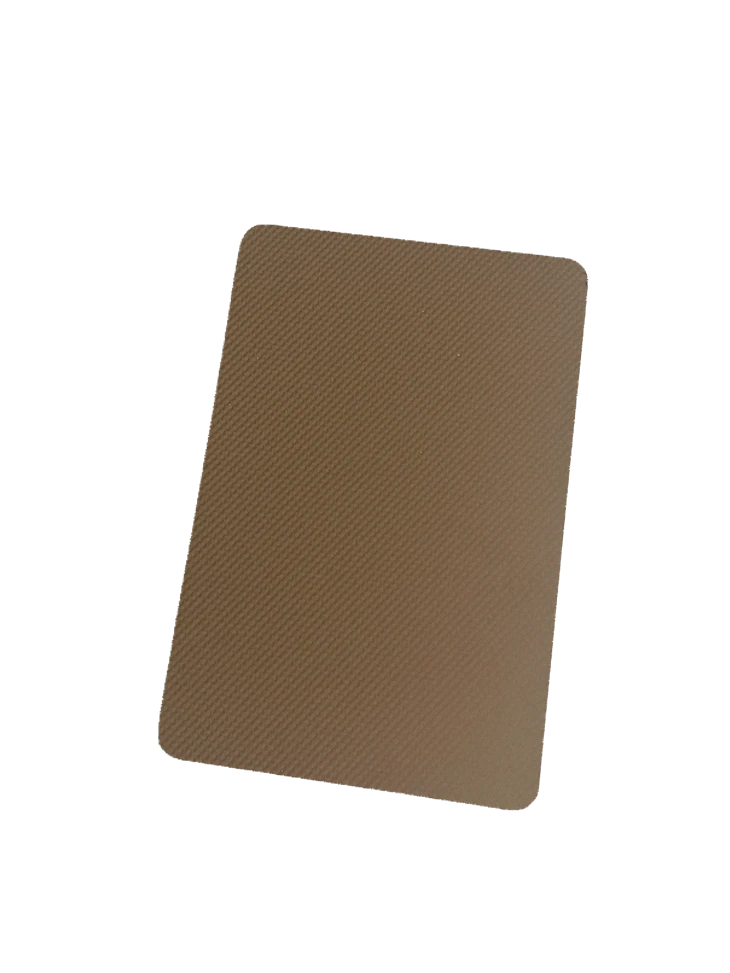
Secondly, PVC foam panels offer excellent chemical resistance. They can withstand exposure to a variety of chemicals, including acids, alkalis, and solvents. This property makes them suitable for use in industries such as chemical manufacturing, where equipment and storage areas need to be protected from chemical spills and fumes. For example, in a chemical processing plant, PVC foam panels can be used to line storage tanks or create partitions in areas where chemical reactions take place.
Another key property is their insulation capabilities. PVC foam panels have good thermal and acoustic insulation properties. In industrial settings, this can be highly beneficial. For instance, in a factory where large machinery generates a lot of heat and noise, using PVC foam panels for wall and ceiling linings can help maintain a more comfortable working environment by reducing heat transfer and noise levels.
Applications in Industrial Settings
- Manufacturing and Assembly Lines
- In manufacturing plants, PVC foam panels can be used to create workbenches and storage units. Their smooth surface is easy to clean, which is essential in industries where hygiene is a concern, such as food and pharmaceutical manufacturing. The panels can also be easily cut and shaped to fit specific design requirements, allowing for custom - made workspaces.
- For assembly lines, PVC foam panels can serve as conveyor guards. They provide a physical barrier between workers and moving parts, enhancing safety. The lightweight nature of the panels means that they do not add excessive weight to the conveyor system, which could potentially slow it down or cause additional wear and tear.
- Warehousing
- In warehouses, PVC foam panels can be used for partitioning. They can create separate storage areas for different types of goods, improving organization. The panels are also cost - effective compared to traditional building materials like brick or drywall, making them an attractive option for large - scale warehouse construction.
- Additionally, their insulation properties can help regulate the temperature inside the warehouse. This is particularly important for storing temperature - sensitive goods, such as electronics or certain types of chemicals.
- Automotive Industry
- PVC foam panels are used in the automotive industry for interior components. They can be formed into door panels, dashboard parts, and seat backs. Their lightweight nature helps to reduce the overall weight of the vehicle, which in turn improves fuel efficiency. The panels can also be customized with different finishes to match the interior design of the car.
Comparison with Other Materials
- Compared to Wood
- Wood has been a traditional choice in many industrial applications. However, PVC foam panels have several advantages over wood. Wood is susceptible to rot, termite damage, and warping, especially in humid or wet environments. PVC foam panels, on the other hand, are moisture - resistant and do not require the same level of maintenance as wood.
- Wood also has a limited lifespan in industrial settings with high levels of chemical exposure. PVC foam panels' chemical resistance makes them a more durable option in such conditions.
- Compared to Metal
- Metal is known for its strength, but it comes with a higher cost and weight. PVC foam panels are much lighter, which can reduce installation costs and energy consumption during transportation. While metal may be more suitable for applications requiring extreme strength, PVC foam panels can meet the needs of many industrial applications where moderate strength is sufficient.
- Metal is also prone to corrosion in certain environments, especially those with high humidity or exposure to chemicals. PVC foam panels do not corrode, providing a longer - lasting solution in such settings.
Potential Challenges and Solutions
- Fire Resistance
- One of the potential challenges of using PVC foam panels in industrial settings is their fire resistance. PVC is a plastic material, and like many plastics, it can burn. However, there are fire - retardant PVC foam panels available on the market. These panels are treated with special chemicals to reduce their flammability and slow down the spread of fire. When specifying PVC foam panels for industrial use, it is important to choose fire - retardant options, especially in areas where fire safety is a major concern, such as in factories with electrical equipment or near areas where welding is performed.
- UV Resistance
- If the PVC foam panels are used in outdoor industrial settings, they may be exposed to ultraviolet (UV) radiation from the sun. Prolonged UV exposure can cause the panels to fade, become brittle, and lose their mechanical properties. To address this issue, some PVC foam panels are formulated with UV stabilizers. These stabilizers protect the panels from the harmful effects of UV radiation, ensuring a longer lifespan in outdoor applications.
Related Products and Their Applications
In addition to PVC foam panels, there are other related products that can be used in industrial or similar settings. For example, Bamboo Charcoal Wall Panel offers unique aesthetic and functional properties. The bamboo charcoal in these panels can help purify the air by absorbing harmful substances. They can be used in industrial offices or areas where air quality is a concern.
Bamboo Charcoal Wood Veneer Wall Panel combines the beauty of wood veneer with the benefits of bamboo charcoal. These panels can be used to create a more upscale and environmentally - friendly look in industrial showrooms or executive offices within industrial complexes.
WPC Wall Panel Bamboo Charcoal Wood Veneer is another option. WPC (Wood - Plastic Composite) offers the durability of plastic and the natural look of wood. With the addition of bamboo charcoal, it can also contribute to air purification. These panels can be used in a variety of industrial settings, from warehouses to manufacturing facilities, where a combination of aesthetics and functionality is desired.
Conclusion
In conclusion, PVC foam panels have significant potential for use in industrial settings. Their lightweight, chemical - resistant, and insulating properties make them suitable for a wide range of applications, from manufacturing to warehousing and automotive industries. While there are some challenges such as fire and UV resistance, these can be overcome by choosing the right product formulations.
If you are in the industrial sector and are looking for a reliable, cost - effective, and versatile material, PVC foam panels could be the solution you need. We, as a PVC foam panel supplier, are committed to providing high - quality products that meet your specific industrial requirements. Whether you need standard panels or custom - made solutions, we have the expertise and resources to serve you. Contact us today to discuss your procurement needs and start a fruitful business relationship.
References
- ASTM International. "Standard Test Methods for Physical and Mechanical Properties of Non - Cellular and Cellular PVC Plastics." ASTM D1784.
- European Committee for Standardization. "Plastics - Poly(vinyl chloride) (PVC) compounds - Specification for types, requirements and test methods." EN 13523.