

Can pvc foam panel be used outdoors?
Oct 14, 2025
Leave a message
Can PVC Foam Panel Be Used Outdoors?
As a supplier of PVC foam panels, I often encounter customers who are curious about the suitability of our products for outdoor use. PVC foam panels have gained significant popularity in recent years due to their versatility, affordability, and ease of installation. However, their performance in outdoor environments is a topic that requires careful consideration. In this blog post, I will delve into the characteristics of PVC foam panels and explore whether they can withstand the rigors of outdoor conditions.
Understanding PVC Foam Panels
PVC foam panels are made from polyvinyl chloride (PVC), a synthetic plastic polymer. These panels are created through a foaming process that introduces air bubbles into the PVC material, resulting in a lightweight and rigid panel with a cellular structure. PVC foam panels are known for their smooth surface finish, excellent dimensional stability, and resistance to moisture, chemicals, and impact.
One of the key advantages of PVC foam panels is their versatility. They can be easily cut, shaped, and fabricated using standard woodworking tools, making them suitable for a wide range of applications. PVC foam panels are commonly used in interior design, signage, furniture manufacturing, and construction projects. However, their potential for outdoor use has also piqued the interest of many customers.
Factors to Consider for Outdoor Use
When considering using PVC foam panels outdoors, several factors need to be taken into account to ensure their long-term performance and durability. These factors include:
1. UV Resistance
Exposure to ultraviolet (UV) radiation from the sun can cause PVC foam panels to degrade over time. UV rays can break down the chemical bonds in the PVC material, leading to discoloration, embrittlement, and loss of mechanical properties. To mitigate the effects of UV radiation, PVC foam panels can be treated with UV stabilizers during the manufacturing process. These stabilizers help to absorb and dissipate UV energy, reducing the risk of damage to the panels.

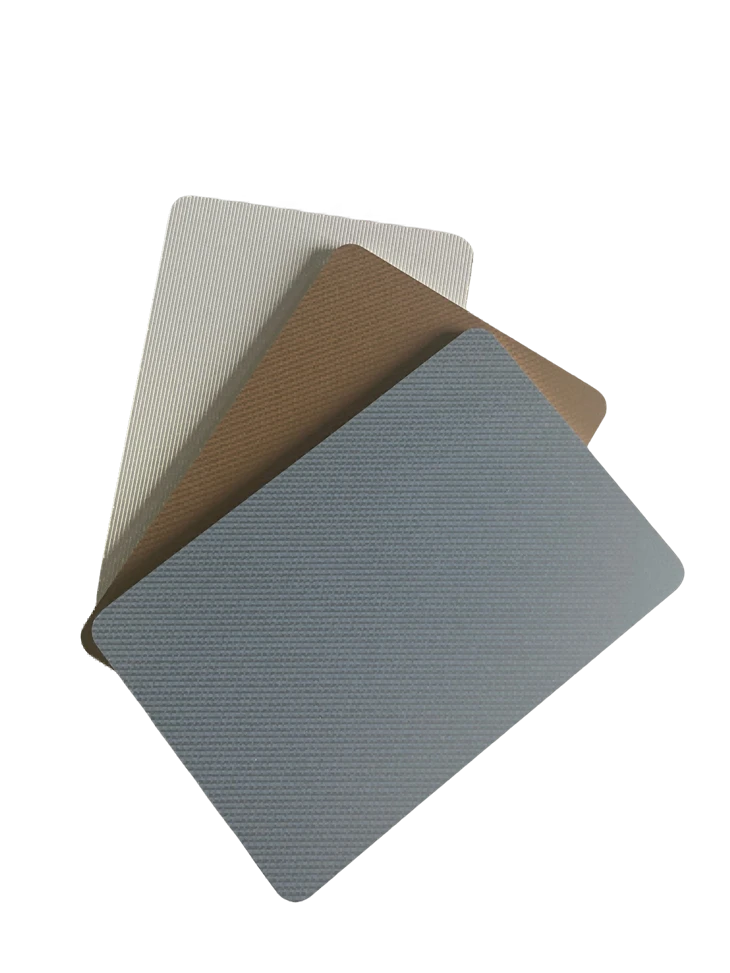
It is important to note that not all PVC foam panels are created equal when it comes to UV resistance. Some panels may have a higher level of UV protection than others, depending on the quality of the UV stabilizers used and the thickness of the panel. When selecting PVC foam panels for outdoor use, it is recommended to choose panels that are specifically designed and tested for UV resistance.
2. Weather Resistance
Outdoor environments are subject to a variety of weather conditions, including rain, snow, wind, and extreme temperatures. PVC foam panels need to be able to withstand these conditions without warping, cracking, or delaminating. PVC is inherently resistant to moisture, which makes it a suitable material for outdoor applications. However, prolonged exposure to water can still cause damage to the panels, especially if they are not properly sealed or installed.
To enhance the weather resistance of PVC foam panels, they can be coated with a protective finish, such as a paint or a clear sealant. This finish helps to prevent water penetration and provides an additional layer of protection against UV radiation and other environmental factors. Additionally, proper installation techniques, such as using appropriate fasteners and ensuring adequate ventilation, can also help to improve the weather resistance of the panels.
3. Temperature Resistance
PVC foam panels have a limited temperature range within which they can maintain their structural integrity. Extreme heat or cold can cause the panels to expand or contract, leading to warping, cracking, or other forms of damage. When using PVC foam panels outdoors, it is important to consider the local climate and temperature variations.
In regions with high temperatures, PVC foam panels may need to be installed with sufficient expansion joints to allow for thermal expansion. Conversely, in regions with cold temperatures, the panels may need to be protected from freezing and thawing cycles. It is also important to choose PVC foam panels that have a high heat deflection temperature (HDT), which indicates their ability to withstand elevated temperatures without deforming.
4. Chemical Resistance
Outdoor environments may expose PVC foam panels to a variety of chemicals, such as fertilizers, pesticides, and cleaning agents. PVC is generally resistant to many chemicals, but prolonged exposure to certain chemicals can still cause damage to the panels. When using PVC foam panels outdoors, it is important to consider the potential chemical exposure and choose panels that are resistant to the specific chemicals they may come into contact with.
Benefits of Using PVC Foam Panels Outdoors
Despite the challenges associated with outdoor use, PVC foam panels offer several benefits that make them a viable option for certain outdoor applications. These benefits include:
1. Lightweight and Easy to Install
PVC foam panels are lightweight, which makes them easy to handle and install. They can be cut and shaped using standard woodworking tools, and they can be installed using a variety of methods, such as adhesive bonding, mechanical fastening, or direct mounting. This makes PVC foam panels a cost-effective and efficient solution for outdoor projects.
2. Low Maintenance
PVC foam panels are relatively low maintenance compared to other materials. They do not require painting, staining, or sealing, and they can be easily cleaned with soap and water. This makes them a convenient option for outdoor applications where regular maintenance may be difficult or time-consuming.
3. Versatility
PVC foam panels can be used in a wide range of outdoor applications, including signage, fencing, decking, and exterior cladding. They can be customized to meet the specific design requirements of a project, and they can be finished in a variety of colors and textures to match the surrounding environment.
4. Cost-Effective
PVC foam panels are generally more affordable than other materials, such as wood, metal, or stone. They offer a cost-effective alternative for outdoor projects without compromising on quality or performance.
Applications of PVC Foam Panels Outdoors
PVC foam panels can be used in a variety of outdoor applications, including:
1. Signage
PVC foam panels are commonly used in outdoor signage due to their lightweight, durability, and ease of fabrication. They can be printed with high-resolution graphics using digital printing techniques, making them an ideal choice for advertising and branding purposes. PVC foam panels can also be cut into various shapes and sizes to create custom signage designs.
2. Fencing
PVC foam panels can be used to create attractive and durable fences for residential and commercial properties. They are available in a variety of colors and styles, and they can be installed using a variety of methods, such as post-and-rail or panel fencing systems. PVC foam panels are resistant to moisture, rot, and insects, making them a low-maintenance alternative to traditional wood fences.
3. Decking
PVC foam panels can be used to create outdoor decks that are both functional and aesthetically pleasing. They are available in a variety of textures and colors, and they can be installed using a variety of methods, such as direct mounting or floating deck systems. PVC foam panels are resistant to moisture, stains, and scratches, making them a durable and easy-to-clean option for outdoor decks.
4. Exterior Cladding
PVC foam panels can be used as exterior cladding for buildings to enhance their appearance and protect them from the elements. They are available in a variety of profiles and finishes, and they can be installed using a variety of methods, such as vertical or horizontal installation. PVC foam panels are resistant to moisture, UV radiation, and impact, making them a durable and low-maintenance option for exterior cladding.
Conclusion
In conclusion, PVC foam panels can be used outdoors, but their suitability depends on several factors, including UV resistance, weather resistance, temperature resistance, and chemical resistance. When selecting PVC foam panels for outdoor use, it is important to choose panels that are specifically designed and tested for outdoor applications. Additionally, proper installation and maintenance techniques are essential to ensure the long-term performance and durability of the panels.
As a supplier of PVC Foam Panel, we offer a range of high-quality PVC foam panels that are suitable for outdoor use. Our panels are treated with UV stabilizers to provide excellent UV resistance, and they are designed to withstand a variety of weather conditions. We also offer a range of other products, such as WPC Wall Panel Bamboo Charcoal Board and WPC Wall Panel Bamboo Charcoal Wood Veneer, that are ideal for outdoor applications.
If you are interested in using PVC foam panels for your outdoor project, we encourage you to contact us to discuss your specific requirements. Our team of experts will be happy to provide you with more information and help you select the right products for your needs. We look forward to working with you to create a beautiful and durable outdoor space.
References
- ASTM International. (2021). Standard Specification for Rigid Poly(Vinyl Chloride) (PVC) Foam Sheet. ASTM D4673-19.
- Plastics Industry Association. (2021). PVC: The Versatile Plastic. Retrieved from https://www.plasticsindustry.org/pvc-the-versatile-plastic
- Vinyl Institute. (2021). PVC in Construction. Retrieved from https://www.vinylinfo.org/pvc-in-construction