

Do flexible ceramic tiles need sealing?
Aug 07, 2025
Leave a message
Do flexible ceramic tiles need sealing? This is a question that often comes up among homeowners, contractors, and designers when considering using flexible ceramic tiles for their projects. As a supplier of flexible ceramic tiles, I'm here to provide you with a comprehensive answer based on scientific facts and practical experience.
Understanding Flexible Ceramic Tiles
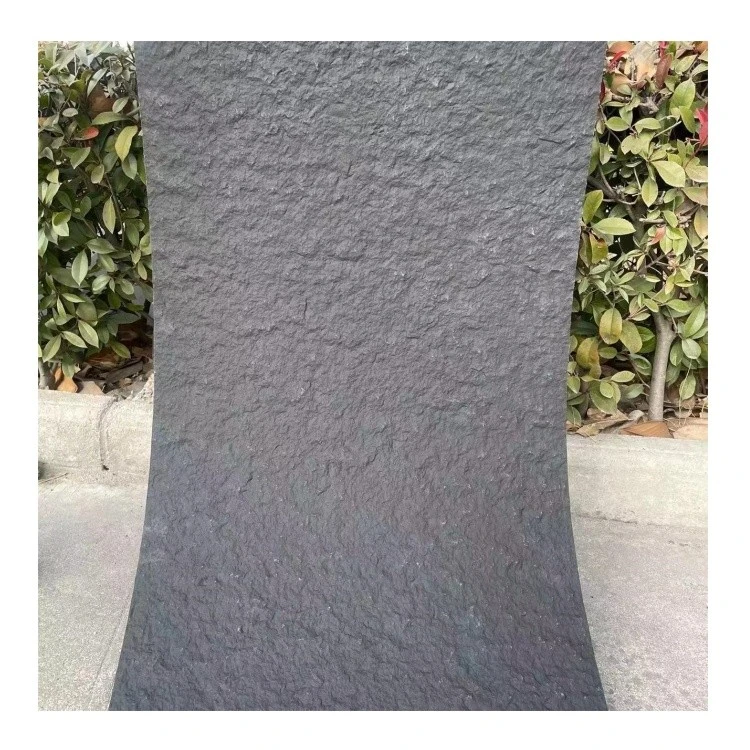
Before we dive into the topic of sealing, let's first understand what flexible ceramic tiles are. Flexible ceramic tiles, also known as Flexible Ceramic Tile, are a type of tile that combines the durability and aesthetic appeal of traditional ceramic tiles with the flexibility of modern materials. They are made from a thin layer of ceramic material bonded to a flexible backing, which allows them to be bent and shaped to fit curved or irregular surfaces.
Flexible ceramic tiles come in a variety of sizes, colors, and patterns, making them a versatile choice for a wide range of applications. They can be used on walls, floors, countertops, and even in outdoor settings. Some of the benefits of using flexible ceramic tiles include:
- Easy Installation: Flexible ceramic tiles are lightweight and easy to cut, making them a popular choice for DIY projects. They can be installed using standard tile adhesives and grouts, and they can be easily trimmed to fit any space.
- Durability: Despite their flexibility, flexible ceramic tiles are highly durable and resistant to scratches, stains, and moisture. They are also fade-resistant, making them a great choice for outdoor applications.
- Aesthetic Appeal: Flexible ceramic tiles come in a variety of colors, patterns, and textures, allowing you to create a unique and personalized look for your space. They can mimic the appearance of natural stone, wood, or other materials, giving you endless design possibilities.
The Need for Sealing
Now that we understand what flexible ceramic tiles are, let's talk about whether or not they need to be sealed. The answer to this question depends on several factors, including the type of tile, the location of the installation, and the intended use of the space.
Porous vs. Non-Porous Tiles
One of the main factors that determines whether or not a tile needs to be sealed is its porosity. Porous tiles are tiles that have small holes or pores in their surface, which can absorb liquids and stains. Non-porous tiles, on the other hand, have a smooth and dense surface that does not absorb liquids or stains.
Most flexible ceramic tiles are non-porous, which means that they do not need to be sealed. However, some flexible ceramic tiles may have a porous surface, especially if they are made from a natural stone or wood-look material. In these cases, sealing the tiles can help to protect them from stains and moisture, and it can also enhance their durability and longevity.
Location of the Installation
Another factor that determines whether or not a tile needs to be sealed is the location of the installation. Tiles that are installed in areas that are exposed to moisture, such as bathrooms, kitchens, and outdoor areas, are more likely to need to be sealed than tiles that are installed in dry areas, such as living rooms and bedrooms.
In bathrooms and kitchens, sealing the tiles can help to prevent water from seeping into the grout lines and causing damage to the subfloor. It can also help to prevent the growth of mold and mildew, which can be a health hazard. In outdoor areas, sealing the tiles can help to protect them from the elements, such as rain, snow, and UV rays.
Intended Use of the Space
The intended use of the space is also an important factor to consider when deciding whether or not to seal the tiles. Tiles that are installed in high-traffic areas, such as hallways and entryways, are more likely to need to be sealed than tiles that are installed in low-traffic areas, such as closets and storage rooms.
In high-traffic areas, sealing the tiles can help to protect them from scratches and wear, and it can also make them easier to clean. It can also help to prevent the growth of bacteria and germs, which can be a health hazard.
Benefits of Sealing Flexible Ceramic Tiles
Even if your flexible ceramic tiles do not need to be sealed, there are still several benefits to sealing them. Some of the benefits of sealing flexible ceramic tiles include:
- Enhanced Durability: Sealing the tiles can help to protect them from scratches, stains, and moisture, which can extend their lifespan and reduce the need for replacement.
- Improved Aesthetic Appeal: Sealing the tiles can enhance their color and shine, making them look more vibrant and attractive. It can also help to prevent the tiles from fading over time, which can keep them looking new for longer.
- Easier Cleaning: Sealed tiles are easier to clean than unsealed tiles, as they are less likely to absorb dirt and stains. This can save you time and effort when it comes to cleaning and maintenance.
- Protection Against Mold and Mildew: Sealing the tiles can help to prevent the growth of mold and mildew, which can be a health hazard. This is especially important in areas that are exposed to moisture, such as bathrooms and kitchens.
How to Seal Flexible Ceramic Tiles
If you decide to seal your flexible ceramic tiles, it's important to follow the manufacturer's instructions carefully. Here are the general steps for sealing flexible ceramic tiles:
- Clean the Tiles: Before sealing the tiles, it's important to clean them thoroughly to remove any dirt, dust, or debris. You can use a mild detergent and water to clean the tiles, or you can use a specialized tile cleaner.
- Choose the Right Sealer: There are several types of sealers available for flexible ceramic tiles, including penetrating sealers, topical sealers, and hybrid sealers. It's important to choose the right sealer for your tiles based on their porosity, location, and intended use.
- Apply the Sealer: Once you have chosen the right sealer, it's time to apply it to the tiles. You can use a brush, roller, or sprayer to apply the sealer, depending on the type of sealer and the size of the area you are sealing.
- Allow the Sealer to Dry: After applying the sealer, it's important to allow it to dry completely before using the tiles. The drying time will depend on the type of sealer and the environmental conditions, so it's important to follow the manufacturer's instructions.
- Apply a Second Coat (Optional): In some cases, it may be necessary to apply a second coat of sealer to the tiles to ensure maximum protection. If you decide to apply a second coat, make sure to allow the first coat to dry completely before applying the second coat.
Conclusion
In conclusion, whether or not flexible ceramic tiles need to be sealed depends on several factors, including the type of tile, the location of the installation, and the intended use of the space. While most flexible ceramic tiles are non-porous and do not need to be sealed, there are still several benefits to sealing them, including enhanced durability, improved aesthetic appeal, easier cleaning, and protection against mold and mildew.
If you're considering using flexible ceramic tiles for your next project, I encourage you to contact us to learn more about our products and services. We offer a wide range of Flexible Porcelain Tile and Flexible Wall Tile options, and our team of experts can help you choose the right tiles and sealer for your needs. We also offer installation services and support to ensure that your project is a success.
Contact us today to start your next project with flexible ceramic tiles!

References
- Tile Council of North America. (n.d.). Tile Sealing: Why, When, and How. Retrieved from [Tile Council of North America Website]
- National Tile Contractors Association. (n.d.). Sealing Tile and Grout. Retrieved from [National Tile Contractors Association Website]
- Ceramic Tile Institute of America. (n.d.). Tile Sealing: A Guide for Homeowners. Retrieved from [Ceramic Tile Institute of America Website]