

Do flexible tiles have a smooth or rough surface?
Sep 16, 2025
Leave a message
Do flexible tiles have a smooth or rough surface? That's a question I get asked a lot as a flexible tile supplier. And the answer isn't as straightforward as you might think.
Let's start by understanding what flexible tiles are. Flexible tiles are a game - changer in the tiling industry. They're made from materials that allow them to bend and curve, which makes them perfect for all sorts of unique applications. You can use them on curved walls, rounded columns, or even on floors with irregular shapes. There are different types, like Flexible Ceramic Tile, Flexible Porcelain Tile, and Flexible Wall Tile.
Now, back to the surface question. Flexible tiles can have both smooth and rough surfaces, and each type has its own set of advantages.

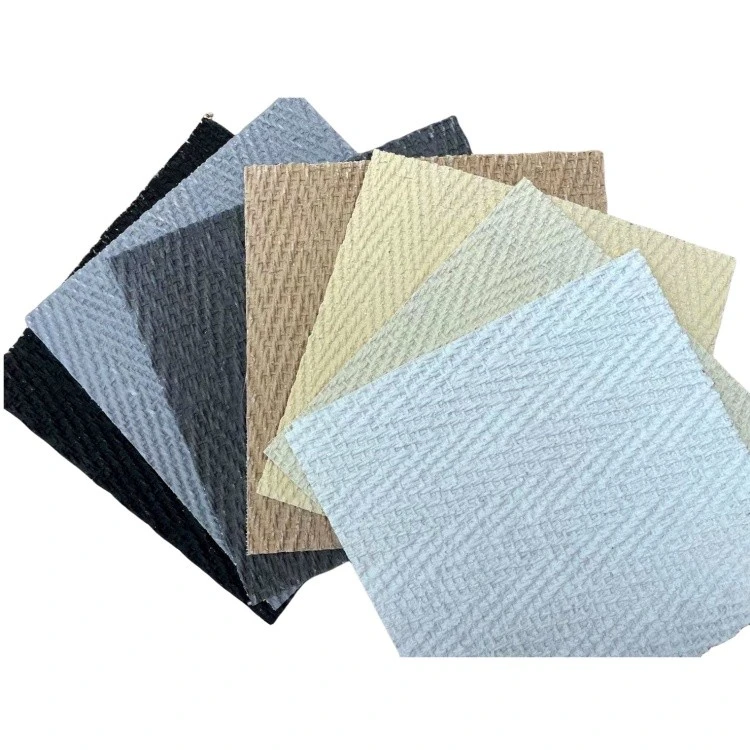
Smooth - surfaced flexible tiles
Smooth - surfaced flexible tiles are super popular, and for good reason. First off, they have a sleek and modern look. When you install them in a room, they can give it an elegant and sophisticated vibe. Whether it's a bathroom, a kitchen, or a living room, smooth tiles can really elevate the aesthetic.
Cleaning smooth tiles is a breeze. Since there are no grooves or bumps to trap dirt and grime, all you need is a simple wipe with a damp cloth or a mild cleaning solution. This makes them a great choice for high - traffic areas where spills and messes are common.
In terms of functionality, smooth tiles are great for areas where you want a hygienic surface. For example, in a hospital or a food preparation area, a smooth surface is easier to sanitize, reducing the risk of bacteria buildup.
Another advantage is that smooth flexible tiles can reflect light better. This can make a small room appear larger and brighter. If you have a space with limited natural light, smooth tiles can help bounce the available light around, creating a more open and airy feel.
However, smooth tiles do have a few drawbacks. They can be slippery when wet. So, if you're planning to use them in a bathroom floor or a pool area, you need to be extra careful. You might want to consider adding some anti - slip treatments to make them safer.
Rough - surfaced flexible tiles
Rough - surfaced flexible tiles also have their own unique set of benefits. Safety is the biggest plus. The rough texture provides better traction, reducing the risk of slips and falls. This makes them an ideal choice for areas like pool decks, outdoor patios, and even bathroom floors. You can walk on them with wet feet without having to worry about taking a tumble.
Rough tiles are also great for hiding dirt and scratches. Since the surface is already textured, small marks and stains are less noticeable. This is especially useful in areas that get a lot of wear and tear, like an entrance hallway or a kids' playroom.
In terms of aesthetics, rough tiles can add a rustic or natural look to a space. They work well in a farmhouse - style kitchen or a cabin - themed living room. The uneven surface gives the room a more organic and cozy feel.
But rough tiles aren't without their downsides. Cleaning them can be a bit more challenging. Dirt and debris can get trapped in the grooves, and you might need to use a brush to really get them clean. Also, the rough texture might not be suitable for areas where you need a perfectly flat surface. For example, if you're using tiles as a backsplash behind a stove, the rough surface could make it difficult to wipe off splatters.
Factors to consider when choosing
When deciding between smooth and rough - surfaced flexible tiles, there are several factors you need to take into account.
Location: Think about where you're going to install the tiles. As I mentioned earlier, if it's a wet area, rough tiles might be a better choice for safety reasons. For indoor walls or areas where you want a modern look, smooth tiles could be the way to go.
Aesthetic preference: Your personal taste plays a big role. Do you like the sleek and shiny look of smooth tiles, or do you prefer the more textured and natural look of rough tiles? Consider the overall style of the room and how the tiles will fit in with the existing decor.
Maintenance: How much time and effort are you willing to put into cleaning and maintaining the tiles? If you're a busy person and want something low - maintenance, smooth tiles might be more suitable. But if you don't mind a bit of extra cleaning in exchange for added safety and a unique look, rough tiles could be your pick.
Budget: Sometimes, the type of surface can affect the cost. In general, smooth tiles might be a bit more expensive because of the manufacturing process required to achieve that perfect finish. However, prices can vary depending on the brand, material, and quality.
Making the right choice for your project
So, how do you decide which type of flexible tile surface is right for your project? I always recommend starting with a small sample. Many suppliers, including me, are happy to send you samples so you can see and feel the tiles in person.
Lay the samples in the area where you plan to install the tiles. Look at them in different lighting conditions and imagine how they'll look once the whole space is tiled. You can also test the cleaning process on the samples to see how easy or difficult it is.
If you're still unsure, talk to a professional designer or contractor. They have experience working with different types of tiles and can give you valuable advice based on your specific needs and the layout of your space.
In conclusion, both smooth and rough - surfaced flexible tiles have their pros and cons. It all comes down to your personal preferences, the location of the installation, and your budget. As a flexible tile supplier, I'm here to help you make the best choice for your project. Whether you're looking for the elegance of smooth tiles or the safety of rough tiles, I've got a wide range of options to suit your needs.
If you're interested in purchasing flexible tiles for your next project, I'd love to talk to you. We can discuss your requirements in detail and find the perfect tiles for your space. Just reach out, and let's start this tiling journey together!
References
- Tile Industry Handbook, various editions
- Architectural Digest articles on tile trends
- Home Improvement magazines for consumer reports on tile surfaces