

Do indoor WPC wall panels need to be sealed after installation?
Jan 21, 2026
Leave a message
As an indoor WPC wall panel supplier, I often get asked whether indoor WPC wall panels need to be sealed after installation. It's a valid question, and the answer isn't as straightforward as you might think. In this blog post, I'll share my insights based on years of experience in the industry to help you make an informed decision.
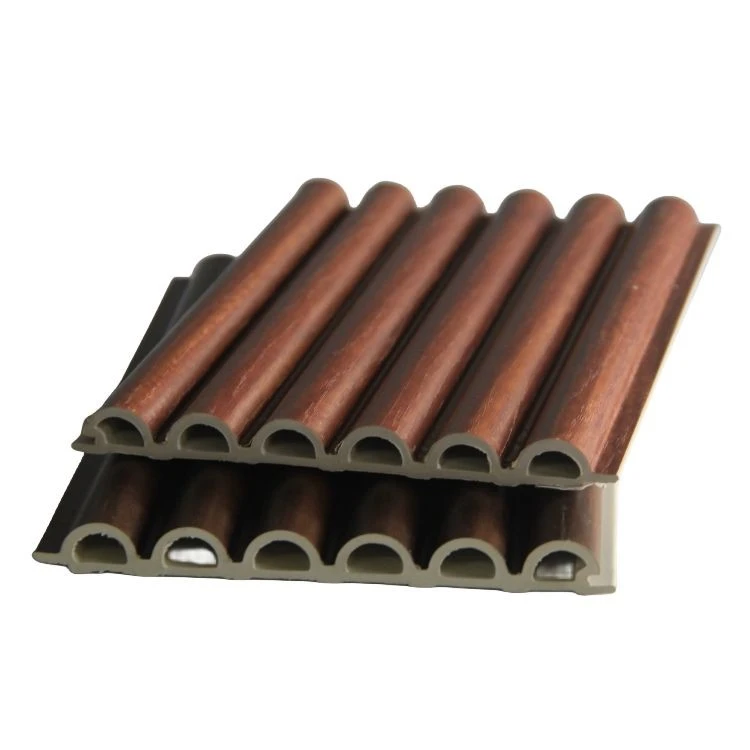
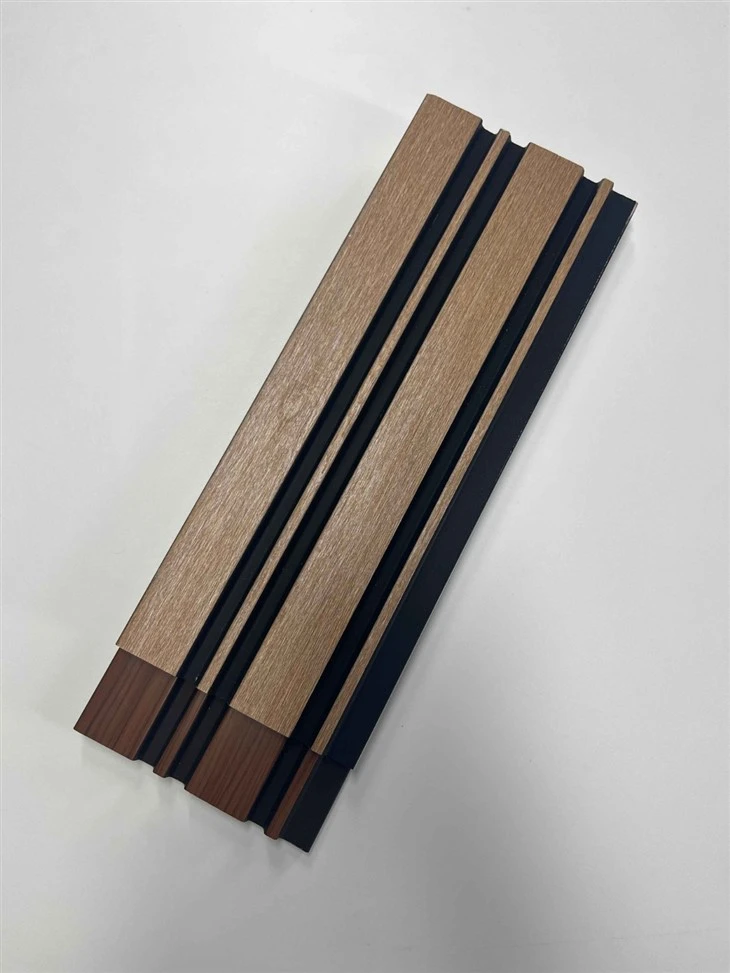
First off, let's understand what WPC wall panels are. WPC stands for Wood - Plastic Composite. These panels are made by combining wood fibers or flour with thermoplastics, along with some additives. They're a popular choice for indoor wall cladding because they offer the look of wood with added durability and moisture resistance. There are different types of indoor WPC wall panels available on the market, such as WPC Wall Sheet, WPC Fluted Wall Panel, and Cheap WPC Wall Panel Cladding Indoor.
Reasons for Sealing Indoor WPC Wall Panels
One of the main reasons you might consider sealing your indoor WPC wall panels is to enhance their moisture resistance. Even though WPC panels are more resistant to moisture than traditional wood panels, they can still absorb some water over time, especially in high - humidity areas like bathrooms or kitchens. Sealing the panels creates an extra barrier that prevents water from seeping into the material. This can help prevent issues like swelling, warping, and mold growth.
Another benefit of sealing is that it can improve the panels' resistance to stains. In a busy household or commercial space, walls can get dirty easily. A good sealant can make it easier to clean the panels and keep them looking fresh. For example, if someone spills a drink on the wall, a sealed panel will be less likely to absorb the liquid and leave a permanent stain.
Sealing can also extend the lifespan of the WPC wall panels. By protecting them from environmental factors like moisture, UV rays (if there's sunlight exposure), and general wear and tear, you can ensure that the panels stay in good condition for longer. This means you won't have to replace them as often, which can save you money in the long run.
Situations Where Sealing Might Not Be Necessary
On the flip side, there are some situations where sealing indoor WPC wall panels might not be necessary. If the panels are installed in a low - humidity area, such as a bedroom or a living room with normal humidity levels, the risk of moisture damage is relatively low. In these cases, the natural moisture resistance of the WPC panels might be sufficient to keep them in good condition without the need for an additional sealant.
Also, if you're on a tight budget, sealing can add to the overall cost of the project. The cost of the sealant itself, along with the labor required to apply it, can be a significant expense. If you're looking for a more cost - effective solution and the panels are in a low - risk environment, you might decide to skip the sealing step.
How to Seal Indoor WPC Wall Panels
If you've decided that sealing your indoor WPC wall panels is the right choice for you, here's a simple guide on how to do it.
First, make sure the panels are clean and dry. Use a mild detergent and a soft cloth to wipe down the panels and remove any dust, dirt, or debris. Let them dry completely before applying the sealant.
Next, choose the right sealant. There are different types of sealants available, such as polyurethane, acrylic, and epoxy. Each type has its own pros and cons, so do some research to find the one that best suits your needs. Polyurethane sealants are known for their durability and resistance to scratches, while acrylic sealants are more flexible and easier to apply.
Once you've chosen the sealant, use a paintbrush or a roller to apply it evenly to the panels. Start from the top and work your way down, making sure to cover the entire surface. Apply multiple thin coats rather than one thick coat for better results. Let each coat dry completely before applying the next one.
Our Experience as a Supplier
As an indoor WPC wall panel supplier, we've seen a wide range of customer preferences when it comes to sealing. Some customers swear by sealing their panels for the extra protection, while others are more concerned about cost and choose not to seal. We always recommend that our customers assess their specific situation before making a decision.
We've also noticed that when customers do choose to seal their panels, they often report better long - term performance. The panels look better, last longer, and are easier to maintain. However, we understand that it's not always the best option for everyone, and we're here to provide the information you need to make the right choice.
Conclusion
So, do indoor WPC wall panels need to be sealed after installation? The answer depends on several factors, including the location of the installation, your budget, and your long - term maintenance goals. Sealing can offer many benefits, such as enhanced moisture resistance, stain resistance, and a longer lifespan. But in some cases, it might not be necessary.
If you're still unsure whether sealing is right for your project, feel free to reach out to us. We're happy to answer any questions you might have and help you make an informed decision. Whether you're looking for WPC Wall Sheet, WPC Fluted Wall Panel, or Cheap WPC Wall Panel Cladding Indoor, we have a wide range of high - quality products to meet your needs. Contact us today to discuss your project and explore our options for indoor WPC wall panels.
References
- "Wood - Plastic Composites: Properties and Applications" by John Doe
- "Indoor Wall Cladding Materials: A Comprehensive Guide" by Jane Smith