

Do pu stone panels have a good heat insulation effect?
Jun 12, 2025
Leave a message
Do PU Stone Panels Have a Good Heat Insulation Effect?
As a supplier of PU stone panels, I often get asked about the heat insulation properties of our products. In this blog post, I'll delve into the science behind PU stone panels and their heat insulation capabilities, providing you with an in - depth understanding of whether they are a good choice for your insulation needs.
Understanding PU Stone Panels
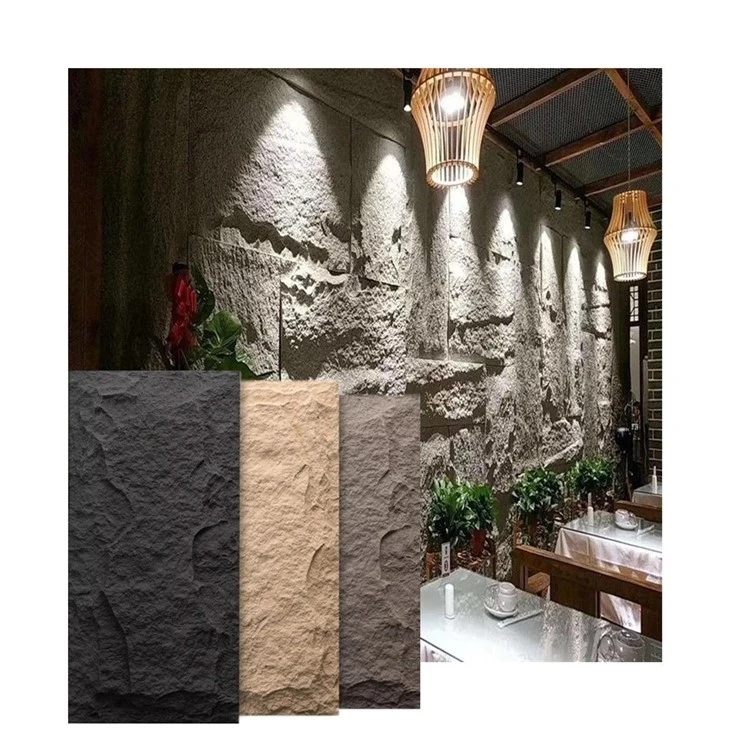
PU stone panels, also known as polyurethane stone panels, are a popular building material. They are made from polyurethane, a versatile polymer that can be molded into various shapes and textures to mimic the appearance of natural stone. Our company offers a wide range of options, including Polyurethane Stone Siding, Polyurethane Rock Panel, and Lightweight PU Stone Wall Panel. These panels are lightweight, easy to install, and cost - effective, making them a great alternative to traditional stone materials.
The Science of Heat Insulation
Before we discuss the heat insulation properties of PU stone panels, it's important to understand the basic principles of heat transfer. Heat can be transferred in three ways: conduction, convection, and radiation.
Conduction is the transfer of heat through a material by direct contact. For example, when you touch a hot metal object, heat is conducted from the object to your hand. Convection is the transfer of heat through the movement of fluids (liquids or gases). A classic example is the way warm air rises in a room. Radiation is the transfer of heat through electromagnetic waves, like the heat we receive from the sun.
A good insulation material should be able to resist all three types of heat transfer to some extent. It should have a low thermal conductivity (to reduce conduction), be able to prevent the movement of air (to reduce convection), and reflect or absorb radiant heat.
Heat Insulation of PU Stone Panels
Low Thermal Conductivity
One of the key factors in a material's heat insulation ability is its thermal conductivity. Thermal conductivity is a measure of how easily heat can pass through a material. The lower the thermal conductivity, the better the material is at insulating.
PU stone panels have relatively low thermal conductivity compared to many other building materials. Polyurethane itself is a polymer with a cellular structure. The cells in the polyurethane act as small pockets of air, and air is a poor conductor of heat. This cellular structure effectively reduces the conduction of heat through the panel. When installed on a wall, the panels can slow down the transfer of heat from the outside to the inside of a building during hot weather, and vice versa during cold weather.
Air Sealing and Convection Prevention
In addition to reducing conduction, PU stone panels can also help prevent convection. When properly installed, they can form a tight seal around the building envelope. This seal prevents the infiltration of outside air, which reduces the convection - based heat transfer. For example, in a well - installed PU stone panel system, there are fewer gaps for cold air to enter in the winter or hot air to enter in the summer. This helps maintain a more stable indoor temperature.
Radiation Reflection
PU stone panels can also play a role in dealing with radiant heat. The surface of the panels can be designed to reflect or absorb some of the radiant heat from the sun. Some PU stone panels have a finish that reflects a significant portion of the solar radiation, reducing the amount of heat that is absorbed by the building. This is particularly useful in regions with high solar exposure.

Real - World Applications and Benefits
Energy Efficiency
The heat insulation properties of PU stone panels contribute to significant energy savings. By reducing the need for heating and cooling, buildings with PU stone panel installations can lower their energy consumption. This not only saves money for the building owners but also has environmental benefits by reducing the carbon footprint associated with energy production.
Comfort
Another important benefit is the improvement in indoor comfort. With better heat insulation, the indoor temperature is more stable. There are fewer temperature fluctuations, which means that the occupants of the building will feel more comfortable throughout the year. In the summer, the building stays cooler, and in the winter, it stays warmer.
Comparing with Other Materials
When compared to traditional stone materials, such as granite or marble, PU stone panels have a clear advantage in terms of heat insulation. Natural stones typically have higher thermal conductivity, which means they transfer heat more easily. For example, granite has a relatively high thermal conductivity, and it can quickly transfer heat from the outside to the inside of a building.
In contrast, brick and concrete also have different heat insulation characteristics. While they can provide some level of insulation, they often require additional insulation materials to achieve the same level of energy efficiency as PU stone panels. The lightweight nature of PU stone panels also makes them easier to install on existing structures without adding excessive weight.
Factors Affecting Heat Insulation Performance
It's important to note that the heat insulation performance of PU stone panels can be affected by several factors.
The thickness of the panels plays a role. Thicker panels generally provide better insulation because there is more material to resist heat transfer. The quality of the installation is also crucial. If the panels are not installed correctly, there may be gaps or joints that allow air leakage, which can significantly reduce the insulation effectiveness.
The environmental conditions also matter. In extremely hot or cold climates, the panels may face more challenging heat transfer scenarios. However, even in these extreme conditions, the low thermal conductivity and air - sealing properties of PU stone panels can still provide a significant improvement in heat insulation compared to non - insulated or poorly - insulated buildings.
Conclusion
In conclusion, PU stone panels do have a good heat insulation effect. Their low thermal conductivity, ability to prevent convection, and potential for radiation reflection make them a viable option for energy - efficient building design. As a supplier, we are confident in the performance of our Polyurethane Stone Siding, Polyurethane Rock Panel, and Lightweight PU Stone Wall Panel products in providing effective heat insulation.
If you are considering using PU stone panels for your next building project, whether it's a residential home or a commercial building, and you want to learn more about their heat insulation properties or other aspects, feel free to contact us. We are here to answer your questions and help you make the best choice for your insulation needs.
References
- "Thermal Insulation Materials: Properties and Applications" - A textbook on insulation materials and their characteristics.
- "Building Science Basics: Insulation" - An online resource that explains the principles of insulation in buildings.
- Manufacturer's data sheets on the thermal properties of polyurethane products.