

Do PVC ceiling boards crack easily?
Aug 01, 2025
Leave a message
Hey there! As a supplier of PVC ceiling boards, I often get asked, "Do PVC ceiling boards crack easily?" Well, let's dive right into this topic and find out the real deal.
First off, let's understand what PVC ceiling boards are. PVC stands for polyvinyl chloride, which is a type of plastic. These ceiling boards are made from this material and are known for their versatility, affordability, and ease of installation. They come in a variety of colors, patterns, and sizes, making them a popular choice for both residential and commercial spaces.
Now, let's address the big question: do they crack easily? The short answer is no, but it depends on several factors.
Quality of the PVC Ceiling Boards
The quality of the PVC ceiling boards you choose plays a huge role in their durability. High - quality PVC ceiling boards are made with better raw materials and manufacturing processes. They are more resistant to cracking because they have a more uniform structure and better chemical properties.
For example, some cheap PVC ceiling boards might be made with low - grade PVC resin or might have a lot of impurities. These boards are more likely to crack under normal stress. On the other hand, the PVC ceiling boards we supply are made from high - quality PVC resin, which gives them excellent flexibility and strength. So, they can withstand a fair amount of bending and pressure without cracking.
When you're looking for PVC ceiling boards, it's important to choose a reliable supplier. You can check out our PVC Ceiling Panel Wall Board Sheet Colombia products. We ensure that all our boards meet high - quality standards, so you don't have to worry about premature cracking.
Installation
Another crucial factor is the installation process. If the PVC ceiling boards are not installed correctly, they are more likely to crack. For instance, if the boards are forced into place or if there is not enough space for expansion and contraction, stress will build up in the boards.
During hot weather, materials tend to expand, and in cold weather, they contract. If the boards are installed too tightly, this natural movement can cause them to crack. A professional installer will leave the right amount of space around the edges of the boards and will use the proper fasteners.
We always recommend hiring a professional to install our PVC ceiling boards. However, if you're a DIY enthusiast, make sure you follow the installation instructions carefully. Our PVC Bathroom Ceiling Cladding comes with detailed installation guides to help you get it right.
Environmental Conditions
The environment where the PVC ceiling boards are installed also affects their likelihood of cracking. Extreme temperatures and humidity can take a toll on the boards.
In very hot and dry conditions, the PVC can become brittle. This is because the heat can cause the plastic to lose some of its flexibility over time. On the other hand, in high - humidity environments, especially if there is poor ventilation, the boards can absorb moisture. This can lead to warping and eventually cracking.
For example, in a bathroom, where there is a lot of steam and humidity, it's important to choose the right type of PVC ceiling board. Our PVC Cladding Bathroom Ceiling is designed to be moisture - resistant. It has a special coating that helps prevent moisture absorption, reducing the risk of cracking.
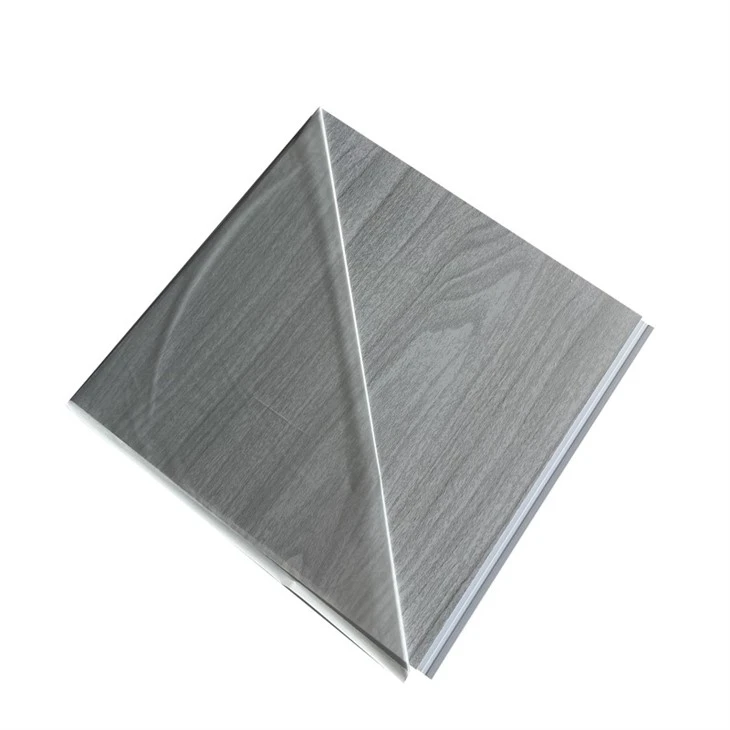

Physical Impact
Of course, physical impact can also cause PVC ceiling boards to crack. If something heavy hits the ceiling, like a falling object, it can damage the boards. However, compared to other ceiling materials like plaster or wood, PVC ceiling boards are more resistant to minor impacts.
They are flexible enough to absorb some of the shock from a light impact without cracking. But for more severe impacts, any material would be at risk of damage.
Maintenance
Proper maintenance can also extend the life of PVC ceiling boards and reduce the risk of cracking. Regular cleaning with a mild detergent and a soft cloth can keep the boards in good condition. Avoid using abrasive cleaners or sharp objects that could scratch the surface of the boards.
Scratches can weaken the structure of the PVC and make it more prone to cracking. Also, if you notice any signs of damage or wear, it's a good idea to address them early. A small crack can be repaired before it gets worse.
In conclusion, PVC ceiling boards don't crack easily if you choose high - quality boards, have them installed correctly, take into account the environmental conditions, and maintain them properly. At our company, we're committed to providing you with the best PVC ceiling boards that are durable and long - lasting.
If you're interested in purchasing PVC ceiling boards for your project, whether it's a residential or commercial space, we'd love to talk to you. We can offer you a wide range of options to suit your needs and budget. Don't hesitate to reach out to us for more information or to start a procurement discussion. We're here to help you make the right choice for your ceiling needs.
References
- "Plastic Materials Handbook" by Reinhold B. Seymour
- Industry research reports on PVC products and their durability.