

Does PVC ceiling cladding require maintenance?
Sep 25, 2025
Leave a message
As a supplier of PVC ceiling cladding, I've had numerous discussions with customers about the maintenance requirements of these products. PVC ceiling cladding has gained popularity in recent years due to its affordability, durability, and aesthetic appeal. However, one question that frequently arises is whether PVC ceiling cladding requires maintenance. In this blog post, I'll delve into this topic, providing insights based on my experience in the industry.
Understanding PVC Ceiling Cladding
Before discussing maintenance, it's essential to understand what PVC ceiling cladding is. PVC, or polyvinyl chloride, is a synthetic plastic polymer known for its versatility and durability. PVC ceiling cladding is made from this material and is designed to cover and protect ceilings, providing a clean and modern look to any space. It comes in a variety of colors, patterns, and textures, making it suitable for different interior design styles.
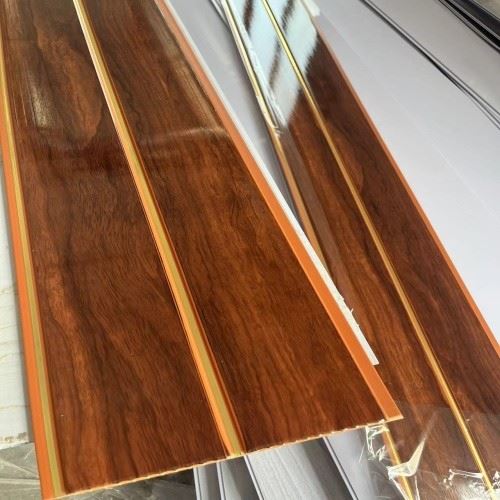
We offer a range of PVC ceiling cladding products, including PVC Ceiling Panel Techo PVC, PVC Ceiling Panel Cielo Raso, and Cheap Black PVC Ceiling Panel. These products are known for their high quality, easy installation, and long - lasting performance.
Low - Maintenance Nature of PVC Ceiling Cladding
One of the significant advantages of PVC ceiling cladding is its low - maintenance requirements. Unlike traditional ceiling materials such as plaster or wood, PVC does not absorb moisture, which means it is less prone to mold, mildew, and rot. This makes it an ideal choice for areas with high humidity, such as bathrooms, kitchens, and basements.
Resistance to Stains
PVC ceiling cladding is highly resistant to stains. Most common stains, such as dirt, dust, and watermarks, can be easily wiped off with a damp cloth. For more stubborn stains, a mild detergent solution can be used. This ease of cleaning is a major selling point for many customers, as it saves time and effort in maintaining a clean and presentable ceiling.
Durability
PVC is a durable material that can withstand normal wear and tear. It does not crack, warp, or peel easily, even in areas with fluctuating temperatures. This durability means that PVC ceiling cladding can last for many years without the need for frequent replacements or repairs. For example, in commercial settings where there is high foot traffic and constant activity, PVC ceiling cladding can maintain its appearance and functionality over an extended period.
Color Retention
Another aspect of low - maintenance is color retention. PVC ceiling cladding is designed to retain its color over time. Unlike some painted surfaces that may fade or discolor due to exposure to sunlight or other environmental factors, PVC maintains its vibrant color, ensuring that the ceiling looks fresh and new for a long time.
Basic Maintenance Tips
Although PVC ceiling cladding is low - maintenance, some basic maintenance practices can help prolong its lifespan and keep it looking its best.
Regular Cleaning
Regular cleaning is the key to maintaining the appearance of PVC ceiling cladding. A simple dusting with a soft cloth or a vacuum cleaner with a brush attachment can remove loose dirt and dust. This should be done at least once a month, depending on the environment. In areas with more dust, such as industrial settings or near construction sites, more frequent cleaning may be required.
Deep Cleaning
Periodically, a deep cleaning may be necessary. This involves using a mild detergent solution and a soft sponge or cloth to clean the entire surface of the ceiling cladding. After cleaning, it's important to rinse the surface thoroughly with clean water to remove any detergent residue. This deep cleaning can be done every three to six months, depending on the level of soiling.
Inspection
Regular inspections are also important. Check the ceiling cladding for any signs of damage, such as cracks, loose panels, or water damage. If any issues are detected, they should be addressed promptly to prevent further damage. For example, if a panel is loose, it can be re - secured using the appropriate adhesive or fasteners.
When Maintenance May Be Required
While PVC ceiling cladding is generally low - maintenance, there are some situations where more extensive maintenance may be required.
Physical Damage
In the event of physical damage, such as a heavy object hitting the ceiling or a sharp object scratching the surface, repairs may be necessary. Minor scratches can sometimes be buffed out using a plastic polish, but more significant damage may require replacing the affected panel.
Chemical Exposure
Exposure to certain chemicals can damage PVC ceiling cladding. Harsh chemicals, such as strong acids or solvents, can cause the material to discolor, warp, or become brittle. If the ceiling cladding has been exposed to chemicals, it's important to clean the area immediately with plenty of water and assess the damage. In some cases, replacement of the affected section may be necessary.
Conclusion
In conclusion, PVC ceiling cladding is a low - maintenance option for ceilings. Its resistance to stains, durability, and color retention make it an attractive choice for both residential and commercial applications. By following some basic maintenance tips, such as regular cleaning and inspections, you can ensure that your PVC ceiling cladding looks great and lasts for many years.
If you're considering PVC ceiling cladding for your next project, we're here to help. We offer a wide range of high - quality PVC ceiling cladding products that are designed to meet your needs and budget. Whether you're looking for a modern, sleek look or a more traditional style, we have the perfect solution for you. Contact us to discuss your requirements and start the procurement process. We're committed to providing excellent customer service and ensuring that you get the best value for your investment.
References
- "Plastic Materials Handbook" by James F. Carley
- "Building Materials: Properties, Selection, and Applications" by Barrie M. Harrington