

How do pu stone panels compare to natural stone panels in terms of weight?
Nov 05, 2025
Leave a message
In the realm of construction and interior design, the choice between PU stone panels and natural stone panels is a significant decision that can impact various aspects of a project, including weight considerations. As a supplier of PU stone panels, I've witnessed firsthand the growing interest in understanding how these two materials stack up against each other in terms of weight. In this blog post, I'll delve into a detailed comparison of the weight characteristics of PU stone panels and natural stone panels, exploring the implications for different applications.
Understanding the Basics of PU Stone Panels and Natural Stone Panels
Before we dive into the weight comparison, let's briefly understand what PU stone panels and natural stone panels are.
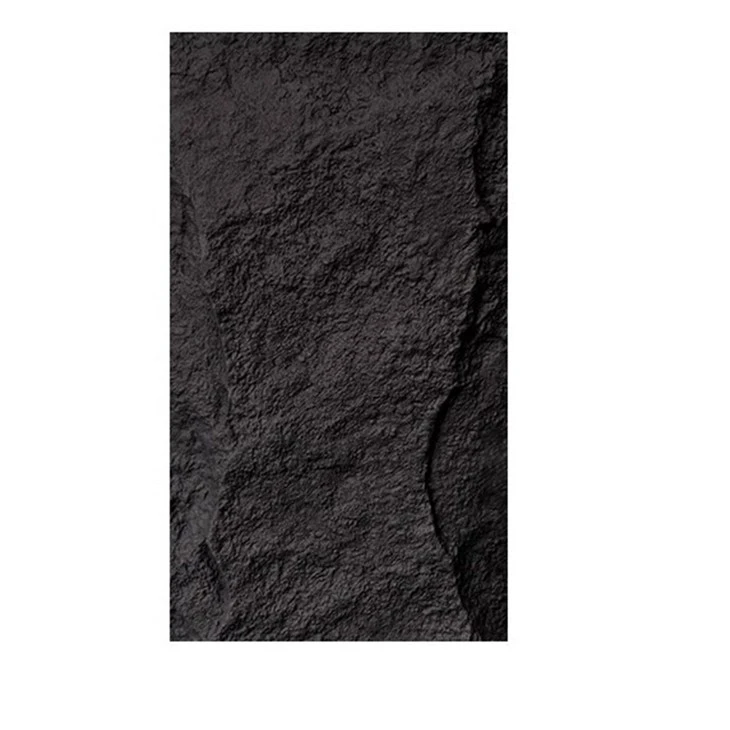
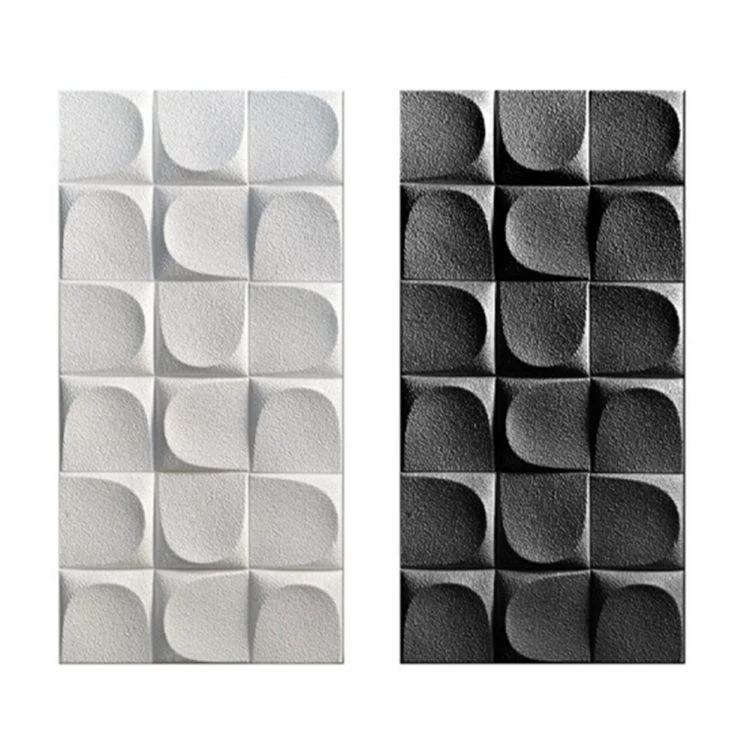
PU stone panels, also known as PU Faux Stone Panels, are made from polyurethane, a synthetic material. They are designed to mimic the appearance of natural stone, offering a wide range of textures and colors. These panels are often used in both interior and exterior applications, such as wall cladding, fireplace surrounds, and decorative accents.
On the other hand, natural stone panels are sourced directly from the earth. They come in various types, including granite, marble, limestone, and slate, each with its own unique characteristics and aesthetic appeal. Natural stone has been used in construction for centuries and is highly valued for its durability and natural beauty.
Weight Comparison
One of the most significant differences between PU stone panels and natural stone panels is their weight. PU stone panels are significantly lighter than natural stone panels. This weight difference can have several implications for a project.
Lightweight Advantage of PU Stone Panels
PU stone panels typically weigh between 1/5 to 1/10 of the weight of natural stone panels of the same size. For example, a square foot of natural granite panel can weigh around 13 - 18 pounds, while a square foot of PU stone panel may weigh only 2 - 3 pounds. This lightweight nature of PU stone panels offers several benefits:
- Easier Installation: The reduced weight makes PU stone panels much easier to handle during installation. Workers can carry and position the panels more effortlessly, reducing the risk of injuries and speeding up the installation process. This is particularly advantageous for large - scale projects where time is of the essence.
- Less Structural Load: When used in building construction, the lightweight nature of PU stone panels places less stress on the building's structure. This can be crucial for older buildings or structures with limited load - bearing capacity. It also allows for more flexibility in design, as the panels can be used in areas where heavy natural stone may not be feasible.
- Lower Transportation Costs: Since PU stone panels are lighter, they require less energy to transport. This not only reduces the carbon footprint associated with transportation but also lowers the overall transportation costs for the project.
Weight - Related Challenges of Natural Stone Panels
The heavy weight of natural stone panels can pose several challenges:
- Difficult Installation: Installing natural stone panels often requires specialized equipment and experienced labor. The weight makes it more difficult to lift and position the panels accurately, increasing the installation time and cost.
- Structural Requirements: Buildings that use natural stone panels need to be designed with sufficient structural support to bear the weight. This may involve additional construction costs, such as reinforcing the foundation or adding support beams.
- Transportation Constraints: Transporting heavy natural stone panels can be expensive and logistically challenging. Specialized trucks and handling equipment are often required, and there may be limitations on the size and quantity of panels that can be transported at once.
Applications and Considerations Based on Weight
The weight difference between PU stone panels and natural stone panels also influences their suitability for different applications.
Interior Applications
- Residential Interiors: In residential settings, such as living rooms, kitchens, and bathrooms, PU stone panels are an excellent choice. Their lightweight nature allows for easy installation on interior walls and ceilings without overburdening the structure. For example, PU Culture Stone Wall Panel can be used to create a rustic or modern look in a bedroom or a dining area.
- Commercial Interiors: In commercial spaces like hotels, restaurants, and offices, PU stone panels offer a cost - effective and practical solution. They can be quickly installed to enhance the aesthetic appeal of the space without causing disruptions due to heavy - lifting operations.
Exterior Applications
- Small - Scale Exteriors: For small - scale exterior projects, such as garden walls or small facade renovations, PU stone panels can be a great option. Their lightweight nature makes them easy to install on-site, and they can withstand outdoor conditions with proper maintenance.
- Large - Scale Exteriors: In large - scale commercial or high - rise building exteriors, the weight of natural stone may be a limiting factor. However, if the building's structure is designed to support the weight, natural stone can provide a prestigious and long - lasting look.
Quality and Durability in Relation to Weight
Some may question whether the lightweight nature of PU stone panels compromises their quality and durability. In fact, modern PU stone panels are designed to be highly durable. They are resistant to cracking, chipping, and weathering, making them suitable for both indoor and outdoor use.
However, it's important to note that while PU stone panels can mimic the appearance of natural stone, they may not have the same long - term durability as natural stone. Natural stone has been proven to last for centuries under proper conditions, while the lifespan of PU stone panels is typically around 10 - 20 years, depending on the quality of the product and the environmental conditions.
Conclusion
In conclusion, the weight difference between PU stone panels and natural stone panels is a significant factor to consider when choosing between the two materials. PU stone panels offer a lightweight alternative that is easier to install, places less stress on the structure, and is more cost - effective in terms of transportation. They are a great choice for a wide range of applications, especially in projects where weight is a concern.
If you're considering using Polyurethane Faux Stone Panel for your next project, I encourage you to reach out for more information. Our team of experts can provide detailed product specifications, samples, and guidance on the best application of our PU stone panels. Whether you're a contractor, architect, or a DIY enthusiast, we're here to help you make the right choice for your project. Contact us today to start the procurement discussion and bring your design vision to life.
References
- Building Stone Institute. "Properties of Natural Stone."
- Polyurethane Manufacturers Association. "Advantages of Polyurethane in Construction."