

How long do flexible wall tiles last?
Jul 15, 2025
Leave a message
Flexible wall tiles have emerged as a popular choice in modern interior and exterior design, offering a unique blend of aesthetics and functionality. As a supplier of flexible wall tiles, I often encounter questions from customers regarding the longevity of these innovative products. In this blog post, I will delve into the factors that influence the lifespan of flexible wall tiles and provide insights on how to maximize their durability.
Understanding Flexible Wall Tiles
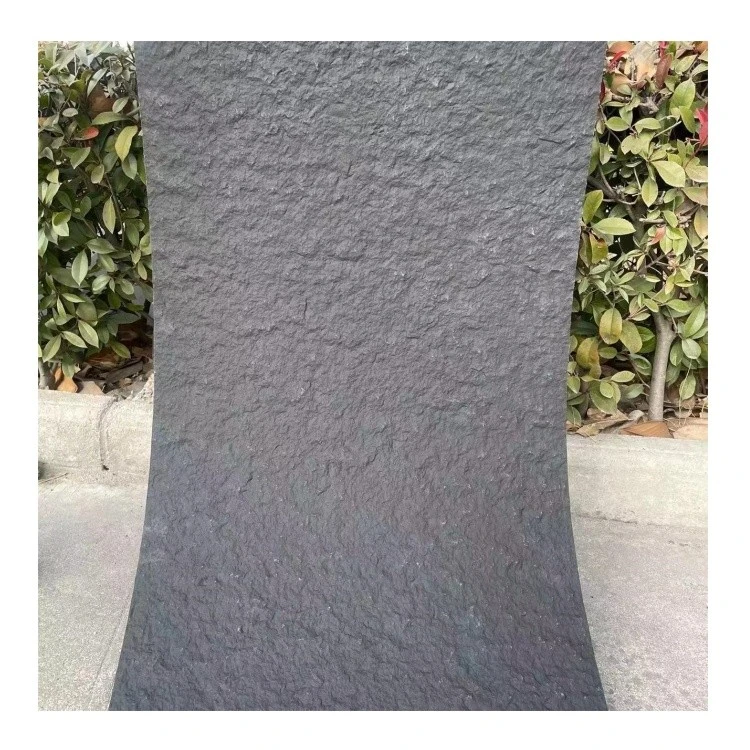
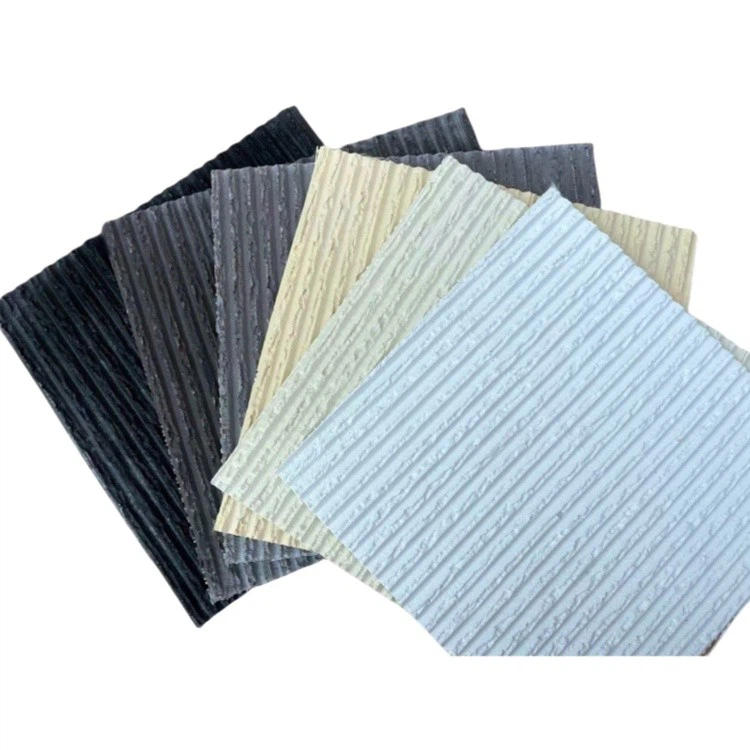
Flexible wall tiles are made from a variety of materials, including ceramic and porcelain. Flexible Ceramic Tile is crafted from a mixture of clay and other natural materials, fired at high temperatures to create a hard, durable surface. Flexible Porcelain Tile, on the other hand, is a denser and more impervious type of tile, made from a finer clay and fired at even higher temperatures. Both types of tiles are then treated with a flexible polymer coating, which allows them to bend and conform to curved surfaces without cracking.
Factors Affecting the Lifespan of Flexible Wall Tiles
The lifespan of flexible wall tiles can vary significantly depending on several factors, including the quality of the materials, the installation process, and the environmental conditions in which they are used.
Material Quality
The quality of the raw materials used in the manufacturing of flexible wall tiles plays a crucial role in determining their durability. High-quality tiles are made from premium-grade clay and polymers, which are more resistant to wear, tear, and environmental damage. When choosing flexible wall tiles, it is important to select products from reputable manufacturers who adhere to strict quality control standards.
Installation Process
Proper installation is essential for ensuring the long-term performance of flexible wall tiles. Incorrect installation can lead to issues such as cracking, delamination, and water damage, which can significantly reduce the lifespan of the tiles. It is recommended to hire a professional installer who has experience working with flexible wall tiles and follows the manufacturer's installation guidelines.
Environmental Conditions
The environmental conditions in which flexible wall tiles are installed can also have a significant impact on their lifespan. Tiles used in high-traffic areas or exposed to harsh weather conditions are more likely to experience wear and tear over time. Additionally, exposure to chemicals, moisture, and extreme temperatures can cause the tiles to deteriorate more quickly. To minimize the effects of environmental factors, it is important to choose tiles that are suitable for the specific application and to take appropriate measures to protect them.
Average Lifespan of Flexible Wall Tiles
On average, high-quality flexible wall tiles can last anywhere from 10 to 20 years or more, depending on the factors mentioned above. However, it is important to note that this is just an estimate, and the actual lifespan of the tiles may vary depending on the specific circumstances of each installation.
In residential applications, flexible wall tiles can provide a durable and attractive solution for kitchens, bathrooms, and other interior spaces. With proper installation and maintenance, these tiles can last for many years, enhancing the aesthetic appeal of the home while providing long-lasting performance.
In commercial applications, such as restaurants, hotels, and retail stores, flexible wall tiles are often subjected to higher levels of traffic and wear. In these settings, the lifespan of the tiles may be slightly shorter, typically ranging from 5 to 15 years. However, with regular maintenance and timely repairs, the tiles can continue to look great and perform well for an extended period.
Maximizing the Lifespan of Flexible Wall Tiles
To maximize the lifespan of flexible wall tiles, it is important to follow a few simple maintenance tips:
Regular Cleaning
Regular cleaning is essential for keeping flexible wall tiles looking their best and preventing the buildup of dirt, grime, and stains. Use a mild detergent and a soft cloth or sponge to clean the tiles, and avoid using abrasive cleaners or tools that could scratch the surface.
Avoiding Abrasive Materials
When cleaning or maintaining flexible wall tiles, it is important to avoid using abrasive materials such as steel wool or scouring pads, as these can scratch the surface of the tiles and damage the protective coating.
Sealing the Tiles
Sealing the tiles can help to protect them from moisture, stains, and other forms of damage. Depending on the type of tiles and the manufacturer's recommendations, you may need to seal the tiles periodically to maintain their performance.
Addressing Issues Promptly
If you notice any signs of damage or wear on your flexible wall tiles, such as cracks, chips, or discoloration, it is important to address the issue promptly. Ignoring these issues can lead to further damage and reduce the lifespan of the tiles.
Conclusion
Flexible wall tiles offer a durable and versatile solution for a wide range of interior and exterior design applications. By choosing high-quality tiles, ensuring proper installation, and following a regular maintenance routine, you can maximize the lifespan of your flexible wall tiles and enjoy their beauty and functionality for many years to come.
If you are interested in purchasing flexible wall tiles for your next project, I invite you to visit our website at Flexible Wall Tile to explore our extensive range of products. Our team of experts is also available to answer any questions you may have and to provide guidance on selecting the right tiles for your specific needs. Contact us today to start the conversation and let us help you transform your space with our high-quality flexible wall tiles.
References
- "Ceramic Tile Handbook" by the Tile Council of North America
- "Porcelain Tile: A Comprehensive Guide" by the Porcelain Tile Institute
- "Flexible Wall Tile Installation Manual" by [Manufacturer's Name]