

How to avoid curling of pvc flooring sheet?
Jul 11, 2025
Leave a message
As a seasoned supplier of PVC flooring sheets, I've witnessed firsthand the challenges that come with preventing curling. Curling not only affects the aesthetic appeal of the flooring but also its functionality and durability. In this blog post, I'll share some valuable insights and practical tips on how to avoid curling of PVC flooring sheets, ensuring a long - lasting and beautiful installation.
Understanding the Causes of PVC Flooring Sheet Curling
Before we delve into the solutions, it's crucial to understand what causes PVC flooring sheets to curl. Several factors can contribute to this issue, including improper installation, environmental conditions, and the quality of the flooring material itself.
Improper Installation
One of the most common causes of curling is improper installation. If the subfloor is not properly prepared, it can lead to uneven adhesion of the PVC flooring sheet. For example, if the subfloor is not clean, dry, and level, the adhesive may not bond correctly, causing the edges of the flooring to lift and curl. Additionally, incorrect application of the adhesive, such as using too much or too little, can also result in curling.
Environmental Conditions
Environmental factors play a significant role in the performance of PVC flooring. Extreme temperatures and humidity can cause the PVC material to expand or contract, leading to curling. For instance, in a very hot and humid environment, the PVC flooring may absorb moisture, causing it to swell and curl at the edges. On the other hand, in a cold and dry environment, the material may shrink, also resulting in curling.
Quality of the Flooring Material
The quality of the PVC flooring sheet itself can also affect its tendency to curl. Low - quality PVC materials may not have the proper additives or reinforcements to resist environmental changes. These materials may be more prone to warping and curling over time, especially when exposed to harsh conditions.
Tips to Avoid PVC Flooring Sheet Curling
Now that we understand the causes, let's explore some effective ways to avoid curling of PVC flooring sheets.
Proper Subfloor Preparation
The first step in preventing curling is to ensure that the subfloor is properly prepared. Start by thoroughly cleaning the subfloor to remove any dirt, dust, grease, or debris. Use a suitable cleaner and a stiff brush to scrub the surface, and then rinse it thoroughly and allow it to dry completely.
Next, check the levelness of the subfloor. Use a straightedge or a laser level to identify any high or low spots. If the subfloor is uneven, you may need to use a self - leveling compound to create a smooth and level surface. This will ensure that the PVC flooring sheet adheres evenly and reduces the risk of curling.
Correct Adhesive Application
Using the right adhesive and applying it correctly is essential for preventing curling. Choose an adhesive that is specifically designed for PVC flooring. Follow the manufacturer's instructions carefully regarding the application method, coverage rate, and drying time.
When applying the adhesive, use a notched trowel to spread it evenly over the subfloor. Make sure to cover the entire area where the PVC flooring sheet will be installed. Avoid applying too much or too little adhesive, as this can lead to poor adhesion and curling. Once the adhesive is applied, allow it to dry for the recommended time before laying the PVC flooring sheet.
Temperature and Humidity Control
Maintaining the right temperature and humidity levels in the installation area is crucial for preventing curling. Before installation, ensure that the room temperature is between 60°F and 80°F (15°C and 27°C) and the relative humidity is between 30% and 60%.
During the installation process, try to minimize exposure to extreme temperature and humidity changes. If possible, use a dehumidifier or a humidifier to control the humidity levels. After installation, continue to monitor the environmental conditions and make adjustments as needed to keep the PVC flooring in optimal condition.
Quality Flooring Selection
Investing in high - quality PVC flooring sheets can significantly reduce the risk of curling. Look for PVC flooring that is made from durable materials and has proper reinforcements. High - quality PVC flooring is more resistant to environmental changes and is less likely to warp or curl over time.
When selecting PVC flooring, consider factors such as the thickness, wear layer, and warranty. Thicker PVC flooring sheets are generally more stable and less prone to curling. A thicker wear layer also provides better protection against abrasion and damage. And a longer warranty indicates the manufacturer's confidence in the product's quality.
Installation Techniques to Prevent Curling
In addition to the above tips, certain installation techniques can also help prevent curling of PVC flooring sheets.
Rolling the Flooring
After laying the PVC flooring sheet, use a heavy roller to press it firmly onto the adhesive. Start from the center of the sheet and roll towards the edges in a smooth and even motion. This will help to ensure that the flooring is fully bonded to the subfloor and eliminate any air bubbles or wrinkles that could lead to curling.
Seaming Properly
If you are installing multiple PVC flooring sheets, proper seaming is essential to prevent curling at the seams. Use a high - quality seaming tape or adhesive to join the sheets together. Make sure the seams are tight and smooth, and there are no gaps or overlaps. This will prevent moisture and dirt from seeping into the seams and causing the flooring to curl.
Trimming Edges Carefully
When trimming the edges of the PVC flooring sheet, use a sharp utility knife or a flooring cutter. Cut the edges cleanly and precisely to ensure a straight and even fit. Avoid leaving any rough or uneven edges, as these can curl over time.
Maintenance to Keep PVC Flooring Flat
Once the PVC flooring is installed, proper maintenance is crucial to keep it flat and prevent curling.
Regular Cleaning
Regularly clean the PVC flooring to remove dirt, dust, and debris. Use a mild detergent and a soft - bristled broom or a vacuum cleaner to clean the surface. Avoid using harsh chemicals or abrasive cleaners, as these can damage the PVC material and increase the risk of curling.
Avoiding Heavy Objects
Avoid placing heavy objects on the PVC flooring for extended periods. Heavy objects can cause indentations and stress on the flooring, which may lead to curling. If you need to move heavy furniture, use furniture pads or sliders to protect the flooring.
Protecting from Sunlight
Direct sunlight can cause the PVC flooring to fade and become brittle over time, increasing the risk of curling. Use curtains or blinds to block the sunlight during the hottest part of the day. If possible, choose a PVC flooring with UV protection to minimize the damage from sunlight.
Conclusion
Preventing curling of PVC flooring sheets requires a combination of proper installation, environmental control, and quality product selection. By following the tips and techniques outlined in this blog post, you can ensure a long - lasting and beautiful PVC flooring installation.
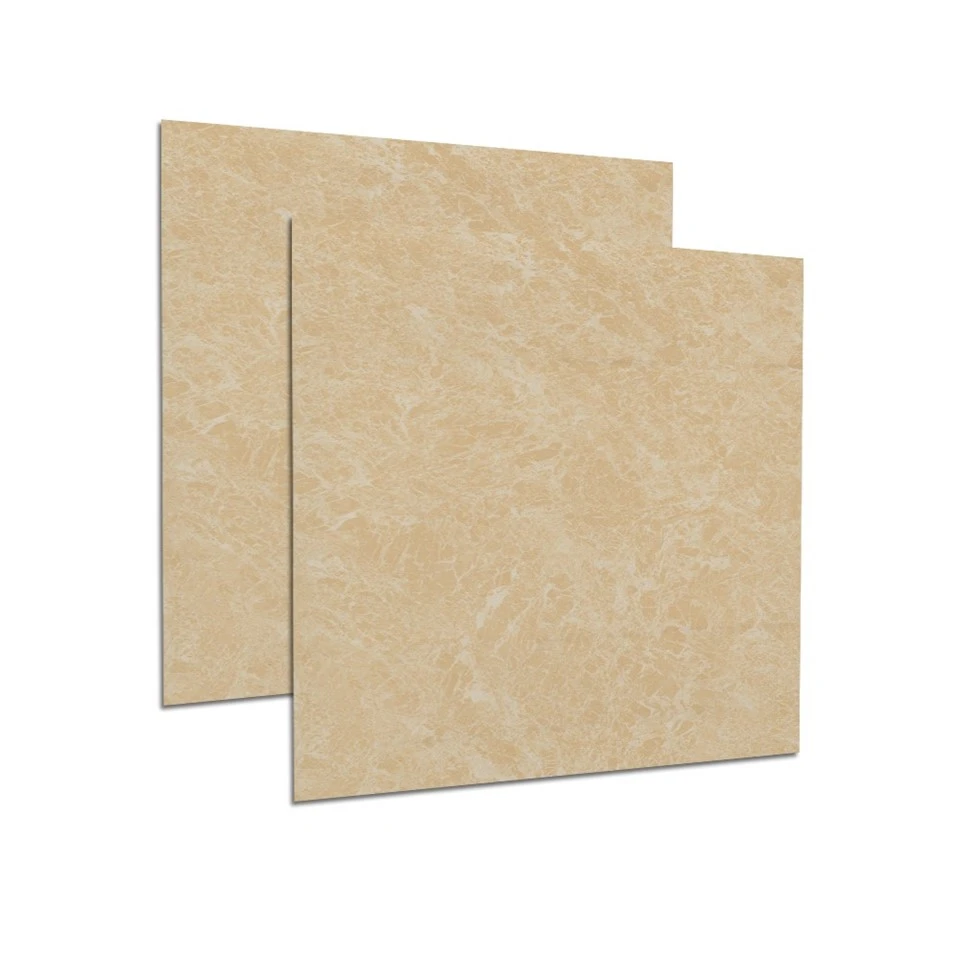

If you're in the market for high - quality PVC Flooring Sheet, Vinyl PVC Flooring, or PVC Tile Flooring, we're here to help. Our team of experts can provide you with the best advice and products to meet your needs. Contact us today to start a conversation about your flooring project and let's work together to create a stunning and durable floor.
References
- "PVC Flooring Installation Guide" - Various industry publications
- Manufacturer's instructions for PVC flooring products
- Research on the effects of environmental conditions on PVC materials