

How to install vinyl pvc flooring in a bathroom with a shower?
Aug 21, 2025
Leave a message
Installing vinyl PVC flooring in a bathroom with a shower requires careful planning and execution. As a vinyl PVC flooring supplier, I understand the importance of providing high - quality products and reliable installation guidance. In this blog, I'll walk you through the step - by - step process of installing vinyl PVC flooring in a shower - equipped bathroom.
Pre - installation Preparation
Measure the Bathroom
Before purchasing any flooring materials, accurately measure the dimensions of your bathroom floor. Measure the length and width of the room at multiple points, as bathrooms are often not perfectly square. This will help you determine the amount of Vinyl PVC Flooring you need. Add an extra 5 - 10% to your measurement to account for cutting waste and any mistakes during installation.
Choose the Right Vinyl PVC Flooring
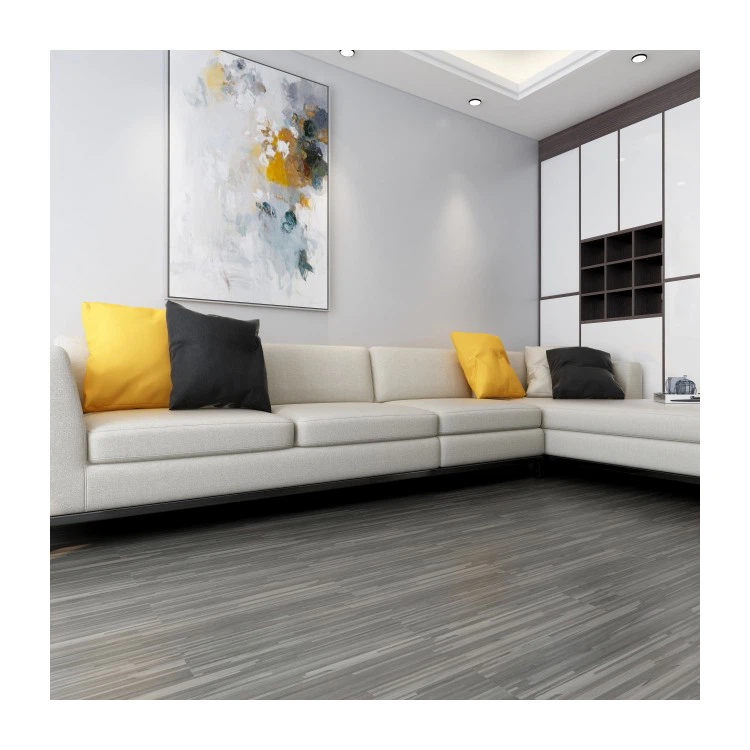
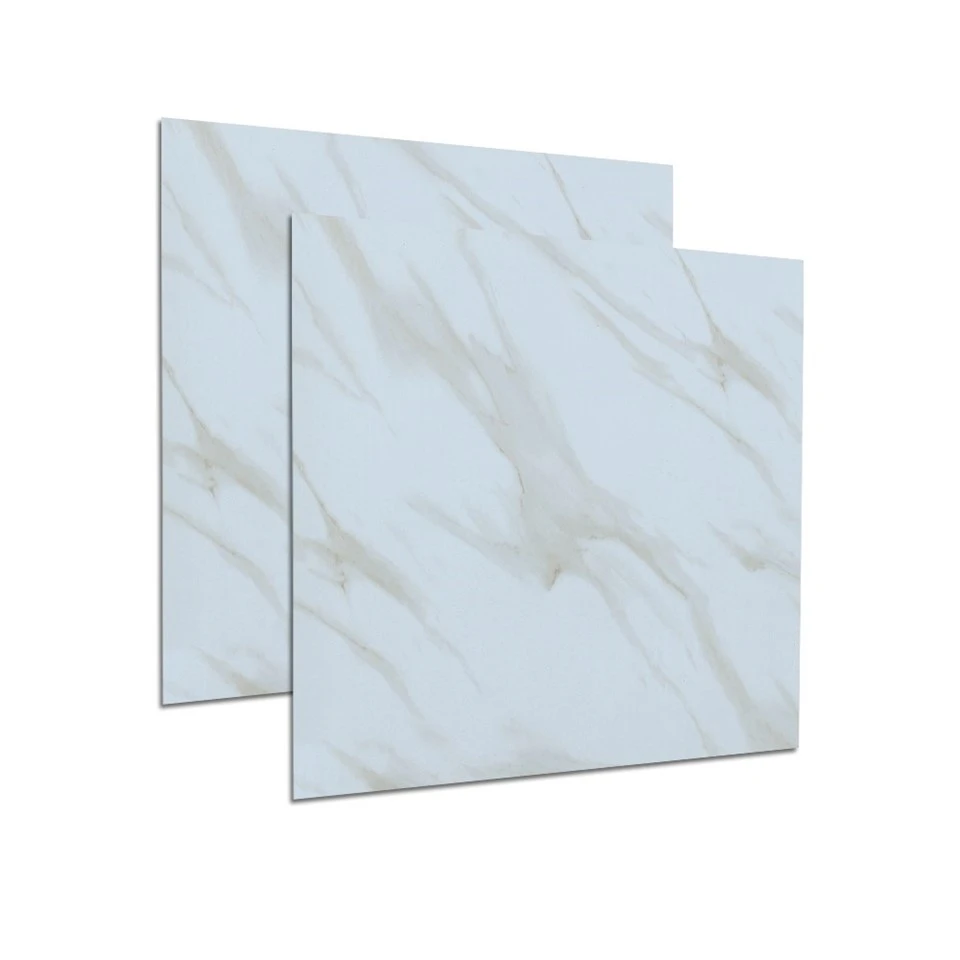
There are two main types of vinyl PVC flooring suitable for bathrooms: PVC Flooring Sheet and PVC Tile Flooring.
- PVC Flooring Sheet: It offers a seamless look, which is ideal for preventing water from seeping through the joints. It is also relatively easy to clean and maintain. However, it can be more challenging to install, especially in a room with irregular shapes.
- PVC Tile Flooring: Tiles are more flexible in terms of installation. You can easily replace a single damaged tile without having to replace the entire floor. They come in a wide range of colors, patterns, and sizes, allowing you to create a unique look for your bathroom.
When choosing the flooring, make sure it is specifically designed for wet areas. Look for products with a high wear layer and good water - resistance properties.
Prepare the Subfloor
The subfloor must be clean, dry, and level before installing the vinyl PVC flooring. Remove any existing flooring, nails, or debris from the surface. Use a floor leveling compound to fix any uneven areas. A level subfloor is crucial to ensure the longevity and appearance of your new flooring. If there are any cracks or holes in the subfloor, fill them with an appropriate patching compound and let it dry completely.
Installation Process
Layout Planning
For both sheet and tile vinyl PVC flooring, it's important to plan the layout before starting the installation. For PVC Tile Flooring, start from the center of the room and work your way out. Use a chalk line to mark the center of the room and lay the tiles along the lines. This will help you create a balanced and visually appealing pattern. For PVC Flooring Sheet, roll out the sheet on the floor and make any necessary cuts to fit the room dimensions. Leave some extra material around the edges for trimming later.
Adhesive Application
If you are using PVC Flooring Sheet, apply a high - quality vinyl adhesive to the subfloor using a notched trowel. Follow the manufacturer's instructions regarding the amount and application method of the adhesive. Spread the adhesive evenly over the area where the sheet will be placed.
For PVC Tile Flooring, you can use either peel - and - stick tiles or adhesive - based tiles. Peel - and - stick tiles are easier to install as you simply remove the backing and press the tile onto the floor. Adhesive - based tiles require you to apply adhesive to the subfloor and then place the tiles on top.
Install the Flooring
- PVC Flooring Sheet: Carefully place the rolled - out sheet onto the adhesive - covered subfloor. Start from one end and slowly unroll the sheet, making sure to smooth out any air bubbles as you go. Use a roller to firmly press the sheet onto the floor, ensuring good adhesion. Trim the excess material along the edges using a utility knife.
- PVC Tile Flooring: For peel - and - stick tiles, start placing the tiles one by one, following your pre - marked layout. Press each tile firmly onto the floor to ensure a good bond. For adhesive - based tiles, use a tile setter to place the tiles on the adhesive, making sure they are properly aligned. Use tile spacers to maintain consistent gaps between the tiles.
Sealing the Edges and Joints
After installing the flooring, it's important to seal the edges and joints to prevent water from seeping under the floor. For PVC Flooring Sheet, use a vinyl cove base or a waterproof sealant along the edges where the floor meets the walls. For PVC Tile Flooring, use a waterproof grout to fill the gaps between the tiles. Make sure to clean off any excess grout before it dries.
Post - installation Care
Once the vinyl PVC flooring is installed, give it some time to fully set. Avoid walking on the floor for at least 24 hours after installation, as this will allow the adhesive to dry and the flooring to bond properly to the subfloor.
To maintain your new flooring, clean it regularly with a mild detergent and a soft - bristled broom or mop. Avoid using abrasive cleaners or tools that could scratch the surface. If there are any spills, clean them up immediately to prevent staining.
Conclusion
Installing vinyl PVC flooring in a bathroom with a shower can be a rewarding DIY project. By following these steps and choosing the right products, you can create a beautiful and functional bathroom floor that will last for years.
If you are interested in purchasing high - quality Vinyl PVC Flooring, PVC Flooring Sheet, or PVC Tile Flooring for your bathroom, feel free to contact us for more information and to discuss your specific needs. We are committed to providing the best products and services to our customers.
References
- "Home Flooring Guide" by DIY Network
- "Vinyl Flooring Installation Manual" provided by leading vinyl flooring manufacturers