

How to install vinyl pvc flooring in a room with irregular shapes?
Nov 12, 2025
Leave a message
Hey there! If you're looking to spruce up a room with an irregular shape and considering vinyl PVC flooring, you've come to the right place. I'm a supplier of all things vinyl PVC flooring, and I'm here to walk you through the process step by step.
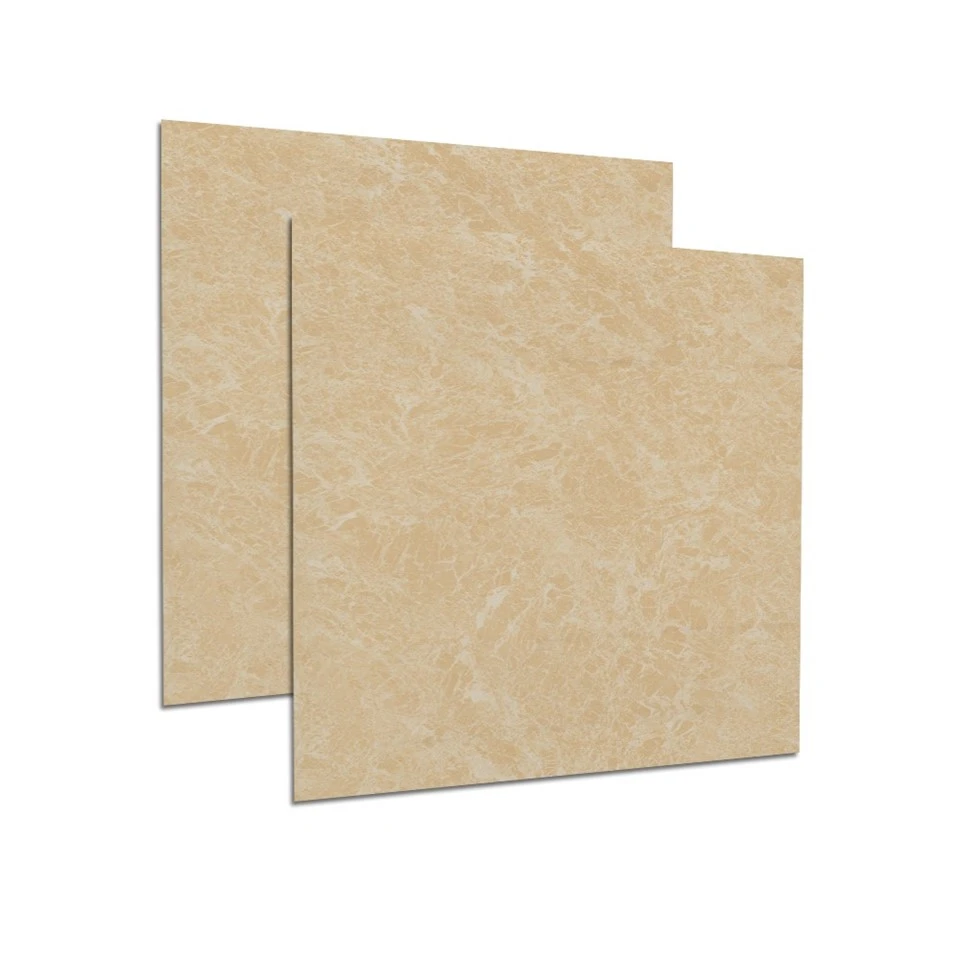
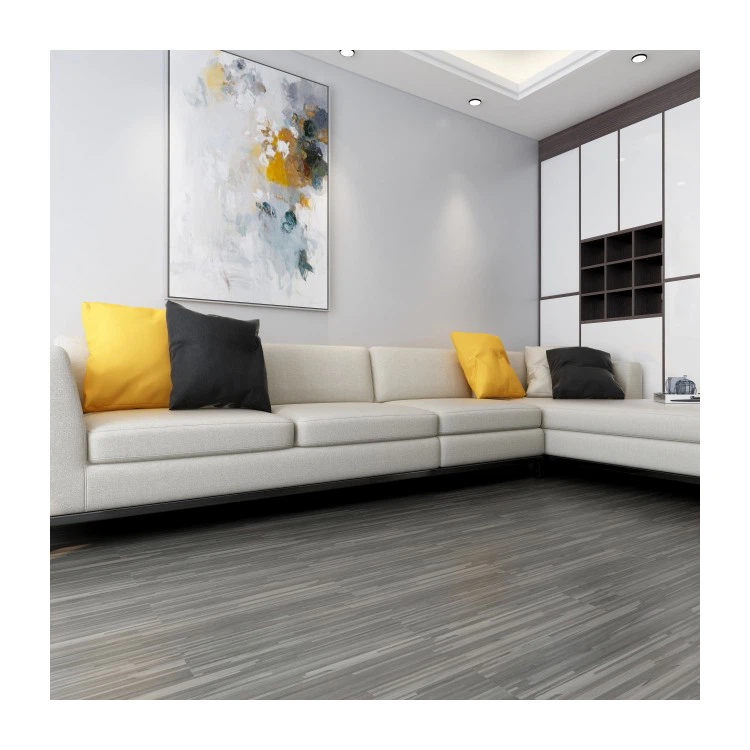
First off, let's talk about why vinyl PVC flooring is a great choice for irregularly shaped rooms. It's super flexible, durable, and comes in a wide range of styles and colors. Whether you prefer the look of PVC Flooring Sheet for a seamless finish or PVC Tile Flooring for a more modular look, there's a vinyl PVC option that'll suit your taste and the room's needs.
Step 1: Measure the Room
The very first thing you gotta do is measure the room. And when I say measure, I mean really measure. Take your time to get accurate dimensions of every nook and cranny. Use a tape measure and write down all the measurements. It's a good idea to measure multiple times to make sure you've got it right. For irregular shapes, break the room down into smaller, more manageable shapes like rectangles, triangles, or circles. Then, calculate the area of each shape and add them up to get the total area of the room. This will help you figure out how much vinyl PVC flooring you need to buy.
Step 2: Prepare the Subfloor
Once you've got your measurements, it's time to prep the subfloor. The subfloor is the surface that the vinyl PVC flooring will be installed on, and it needs to be clean, dry, and level. Remove any old flooring, nails, or debris from the subfloor. If there are any cracks or holes, fill them with a floor patching compound and let it dry completely. You can also use a self - leveling compound to make sure the subfloor is perfectly flat. This is crucial because an uneven subfloor can cause the vinyl PVC flooring to buckle or bubble over time.
Step 3: Choose the Right Vinyl PVC Flooring
Now comes the fun part - choosing the right vinyl PVC flooring for your room. As I mentioned earlier, there are two main types: sheets and tiles. PVC Flooring Sheet is great for large, open areas and gives a seamless look. It's also easier to install in irregular shapes because you can cut it to fit. On the other hand, PVC Tile Flooring is more modular and can be a good option if you want to create a pattern or if you're on a budget. Consider the style, color, and durability of the flooring. Also, think about the traffic in the room. If it's a high - traffic area like a hallway or a living room, you'll want a more durable vinyl PVC flooring.
Step 4: Acclimate the Flooring
Before you start installing the vinyl PVC flooring, it's important to let it acclimate to the room's environment. Unroll the flooring or open the boxes and let them sit in the room for at least 24 - 48 hours. This allows the flooring to adjust to the temperature and humidity of the room, which helps prevent problems like shrinking or expanding after installation.
Step 5: Cut the Flooring
Now that the flooring is acclimated, it's time to start cutting. For irregular shapes, you'll need to use a sharp utility knife and a straightedge. Lay the vinyl PVC flooring over the subfloor and use a chalk line or a pencil to mark the areas that need to be cut. Be extra careful when cutting around curves and angles. You can make small cuts and then gradually shape the flooring to fit. If you're using PVC Tile Flooring, you can use a tile cutter or a wet saw to cut the tiles to the right size.
Step 6: Install the Flooring
There are two main methods for installing vinyl PVC flooring: glue - down and click - together. Glue - down installation involves applying adhesive to the subfloor and then laying the vinyl PVC flooring on top. This method is more permanent and is great for areas where you need a tight seal. Click - together installation, on the other hand, is easier and faster. The tiles or planks have a locking system that allows them to snap together.
If you're using the glue - down method, start by applying the adhesive to a small section of the subfloor using a trowel. Make sure to spread the adhesive evenly. Then, carefully lay the vinyl PVC flooring over the adhesive, starting from one corner and working your way out. Use a roller to press the flooring down firmly and remove any air bubbles.
For click - together installation, start in one corner of the room and lay the first row of tiles or planks. Make sure the locking edges fit together snugly. As you work your way across the room, cut the tiles or planks to fit around the edges and corners. You may need to use a tapping block and a mallet to make sure the joints are tight.
Step 7: Finish the Edges
Once the main part of the flooring is installed, it's time to finish the edges. You can use baseboards or quarter - round molding to cover the edges of the vinyl PVC flooring. This gives the room a clean and professional look. Measure and cut the molding to fit around the perimeter of the room. Nail or glue the molding in place.
Step 8: Clean Up
After the installation is complete, clean up any excess adhesive, dust, or debris from the floor. Use a damp mop to clean the surface of the vinyl PVC flooring. Let the floor dry completely before walking on it.
Tips and Tricks
- When cutting the vinyl PVC flooring, make sure to cut on a clean, flat surface. A cutting mat can be really helpful.
- If you're having trouble getting a tight fit around curves, you can use a heat gun to soften the vinyl PVC and make it more flexible.
- Don't forget to leave a small expansion gap around the perimeter of the room. This allows the flooring to expand and contract with changes in temperature and humidity.
In conclusion, installing vinyl PVC flooring in a room with irregular shapes may seem challenging, but with the right tools, materials, and a little patience, you can do it yourself. As a Vinyl PVC Flooring supplier, I'm here to help you every step of the way. Whether you need advice on choosing the right flooring, tips on installation, or just want to place an order, feel free to reach out. We've got a wide range of high - quality vinyl PVC flooring options to meet your needs and budget. Contact us today to start your flooring project!
References
- "Flooring Installation Guide" - Generic Flooring Industry Publication
- "Vinyl PVC Flooring: A Comprehensive Overview" - Flooring Magazine
- Personal experience as a vinyl PVC flooring supplier.