

How to repair damaged pvc marble sheet?
Jun 11, 2025
Leave a message
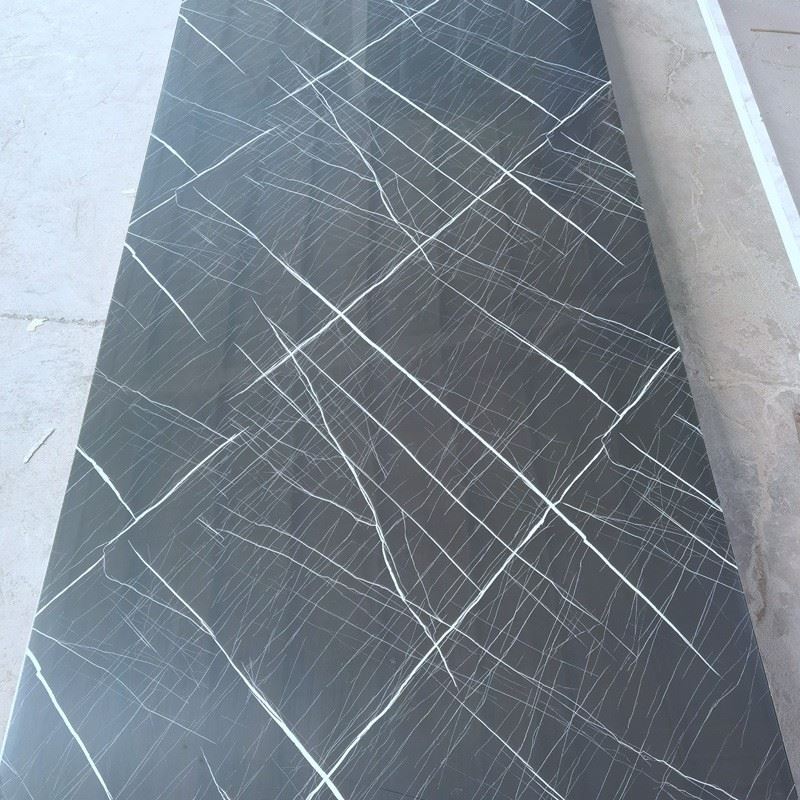
Hey there! As a supplier of PVC marble sheets, I've seen my fair share of damaged panels. It's no fun when your beautiful PVC marble sheet gets scratched, dented, or stained. But don't worry, I'm here to share some tips on how to repair those damaged PVC marble sheets and make them look as good as new.
Identifying the Damage
The first step in repairing a damaged PVC marble sheet is to figure out what kind of damage you're dealing with. Here are some common types of damage and how to spot them:
- Scratches: These are usually visible as thin lines on the surface of the sheet. Light scratches might just affect the top layer, while deeper ones can go through to the base material.
- Dents: Dents are depressions in the sheet. They can be caused by something heavy hitting the surface.
- Stains: Stains can come from various sources like food, drinks, or chemicals. They make the sheet look dirty and can be different colors depending on what caused them.
- Cracks: Cracks are more serious. They can be small hairline cracks or larger breaks that split the sheet.
Tools and Materials You'll Need
Before you start the repair process, gather the following tools and materials:
- Sandpaper: Different grits, like 120 - 220 grit for smoothing the surface.
- Putty knife: For applying fillers.
- PVC filler: To fill in dents and cracks.
- Paintbrush: For applying paint or sealant.
- Matching paint or finish: Make sure it's suitable for PVC marble sheets. You can usually get samples from the supplier to find the perfect match.
- Cleaning solution: A mild soap and water solution or a specialized PVC cleaner.
- Microfiber cloth: For cleaning and drying the sheet.
Repairing Scratches
Light scratches can often be fixed with a simple buffing process. Here's how:
- Clean the area: Use the cleaning solution and a microfiber cloth to clean the scratched area. Make sure it's free of dirt and debris.
- Sand the scratch: Gently sand the scratch with fine - grit sandpaper (around 220 grit). Sand in the direction of the scratch to avoid making it worse. Keep sanding until the scratch becomes less noticeable.
- Apply a filler (if needed): If the scratch is a bit deeper, you can use a PVC filler. Apply it with a putty knife, following the manufacturer's instructions. Let it dry completely.
- Sand the filled area: Once the filler is dry, sand it again with fine - grit sandpaper to make it smooth and level with the surrounding surface.
- Apply a matching finish: Use a paintbrush to apply a thin layer of matching paint or finish to the repaired area. Let it dry according to the product's instructions.
Fixing Dents
Dents are a bit more challenging to repair, but it's definitely doable.

- Clean the dented area: Just like with scratches, clean the area thoroughly to remove any dirt.
- Heat the dented area: You can use a hair dryer on a low - to - medium heat setting. Hold the hair dryer about 6 - 8 inches away from the dent and move it back and forth evenly. The heat will make the PVC more flexible.
- Pop the dent out: Once the PVC is warm, use a soft cloth or your fingers to gently push the dent out from the backside of the sheet. Be careful not to apply too much pressure and cause further damage.
- Fill any remaining indentation: If there's still a small indentation after popping the dent out, use a PVC filler. Apply it, let it dry, and then sand it smooth.
- Finish the repair: Apply a matching finish to the repaired area to make it blend in with the rest of the sheet.
Removing Stains
Stains can be stubborn, but there are ways to get rid of them.
- Identify the stain type: Different stains require different cleaning methods. For example, grease stains might need a degreaser, while food stains can often be removed with a mild soap solution.
- Test the cleaning solution: Before applying any cleaning solution to the entire stained area, test it on a small, inconspicuous part of the sheet to make sure it doesn't damage the surface.
- Clean the stain: If it's a mild stain, use a mild soap and water solution. Dip a microfiber cloth in the solution and gently rub the stain. For tougher stains, you might need a specialized PVC cleaner. Follow the product's instructions carefully.
- Rinse and dry: Once the stain is removed, rinse the area with clean water and dry it with a microfiber cloth.
Repairing Cracks
Cracks are the most serious type of damage, but they can still be repaired.
- Clean the cracked area: As always, start by cleaning the area to remove dirt and debris.
- Prepare the crack: Use a putty knife to widen the crack slightly. This will help the filler adhere better.
- Apply the PVC filler: Fill the crack with PVC filler, making sure to press it firmly into the crack. Use a putty knife to smooth the surface of the filler.
- Let it dry: Allow the filler to dry completely according to the manufacturer's instructions. This might take a few hours or even a day depending on the product.
- Sand the filled crack: Once dry, sand the filled crack with fine - grit sandpaper to make it smooth and level with the surrounding surface.
- Apply a finish: Apply a matching paint or finish to the repaired crack to protect it and make it blend in.
Preventing Future Damage
After you've repaired your PVC marble sheet, it's important to take steps to prevent future damage. Here are some tips:
- Use coasters and placemats: This will protect the sheet from scratches and stains caused by hot or wet objects.
- Avoid using abrasive cleaners: Stick to mild cleaning solutions to prevent scratching the surface.
- Be careful with sharp objects: Don't drag sharp tools or utensils across the sheet.
Our Product Range
We offer a wide range of high - quality PVC marble sheets, including Gloss UV Board, Marble Effect PVC Wall Panel, and UV PVC Marble Sheet. These products are not only beautiful but also durable. If you're in the market for new PVC marble sheets or need more information about our repair services, feel free to reach out.
Contact Us for Purchase and Consultation
If you have any questions about our PVC marble sheets, the repair process, or if you're interested in making a purchase, don't hesitate to contact us. We're here to help you find the perfect solution for your needs. Whether you're a DIY enthusiast or a professional contractor, we have the products and expertise to support you.
References
- PVC Product Handbook. [Publisher's name], [Year of publication]
- DIY Home Improvement Guide for PVC Materials. [Author's name], [Year of publication]