

How to store flexible tiles?
Jul 17, 2025
Leave a message
Hey there! I'm a supplier of flexible tiles, and over the years, I've learned a thing or two about how to store these unique products properly. Flexible tiles, like Flexible Porcelain Tile, Flexible Wall Tile, and Flexible Ceramic Tile, have their own storage requirements due to their unique properties. In this blog post, I'll share some tips and tricks on how to store flexible tiles to keep them in top-notch condition.
Why Proper Storage Matters
Before we dive into the storage methods, let's talk about why it's so important to store flexible tiles correctly. Flexible tiles are designed to be bendable and adaptable, which also means they can be more vulnerable to damage compared to traditional rigid tiles. Improper storage can lead to issues like warping, cracking, or delamination, which can render the tiles unusable. By following the right storage practices, you can ensure that your flexible tiles maintain their quality and performance until they're ready to be installed.
Ideal Storage Conditions
The first step in storing flexible tiles is to create the right environment. Here are some key factors to consider:
Temperature
Flexible tiles are sensitive to temperature fluctuations. Extreme heat or cold can cause the tiles to expand or contract, leading to warping or cracking. Ideally, you should store your flexible tiles in a temperature-controlled environment with a consistent temperature between 50°F (10°C) and 80°F (27°C). Avoid storing the tiles in areas that are exposed to direct sunlight or near heat sources like radiators or heaters.
Humidity
High humidity can also have a negative impact on flexible tiles. Excess moisture can cause the tiles to absorb water, leading to swelling, mold growth, or delamination. Aim to keep the humidity level in the storage area between 30% and 50%. If you live in a humid climate, you may need to use a dehumidifier to control the humidity.
Ventilation
Proper ventilation is essential to prevent the buildup of moisture and odors in the storage area. Make sure the storage space is well-ventilated, with good air circulation. Avoid storing the tiles in a closed, airtight container or in a damp basement.
Storage Methods
Once you've created the right storage environment, it's time to think about how to store the flexible tiles themselves. Here are some effective storage methods:

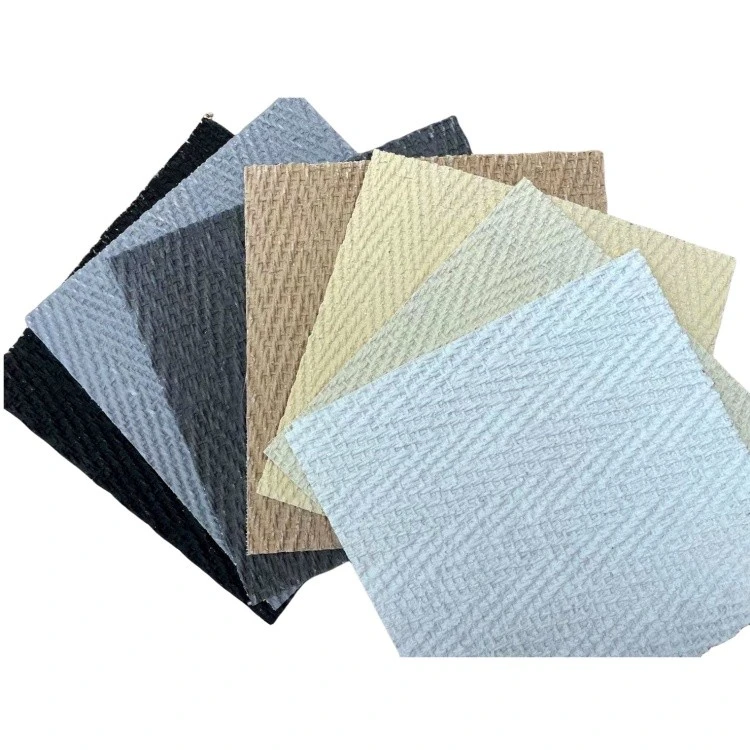
Stacking
Stacking is one of the most common ways to store flexible tiles. However, it's important to stack the tiles correctly to prevent damage. Here's how:
- Use a flat surface: Make sure the surface where you're stacking the tiles is flat and level. This will help prevent the tiles from warping or bending.
- Stack the tiles evenly: Place the tiles on top of each other in a straight, even stack. Avoid stacking the tiles too high, as this can cause the bottom tiles to become crushed or damaged.
- Separate the tiles: To prevent the tiles from sticking together, you can place a sheet of paper or cardboard between each layer of tiles.
Rolling
If you have a large quantity of flexible tiles, rolling them up can be a space-saving storage option. Here's how to roll the tiles correctly:
- Use a rolling tube: You can use a cardboard tube or a PVC pipe to roll the tiles around. Make sure the tube is the same width as the tiles to prevent them from bending or curling.
- Roll the tiles tightly: Start at one end of the tile and roll it tightly around the tube. Make sure the tile is rolled evenly and smoothly to prevent any creases or wrinkles.
- Secure the roll: Once the tile is rolled up, you can use a rubber band or a piece of tape to secure the roll and prevent it from unrolling.
Hanging
If you have limited storage space, hanging the flexible tiles on a wall or a rack can be a practical solution. Here's how to hang the tiles:
- Use a hanging system: You can use a wall-mounted rack or a hanging rod to hang the tiles. Make sure the hanging system is strong enough to support the weight of the tiles.
- Attach the tiles: You can use clips or hooks to attach the tiles to the hanging system. Make sure the tiles are hung evenly and securely to prevent them from falling or sliding.
Handling and Transporting
In addition to proper storage, it's also important to handle and transport the flexible tiles carefully to prevent damage. Here are some tips:
- Use gloves: When handling the flexible tiles, it's a good idea to wear gloves to prevent fingerprints and smudges. Gloves can also provide a better grip and help prevent the tiles from slipping.
- Avoid bending or folding the tiles: Flexible tiles are designed to be bendable, but excessive bending or folding can cause the tiles to crack or delaminate. When moving the tiles, try to keep them as flat as possible.
- Use a padded container: If you need to transport the flexible tiles, use a padded container or a box to protect them from damage. You can line the container with bubble wrap or foam to provide extra cushioning.
Conclusion
Storing flexible tiles properly is essential to ensure their quality and performance. By creating the right storage environment, using the appropriate storage methods, and handling and transporting the tiles carefully, you can keep your flexible tiles in top-notch condition until they're ready to be installed. If you have any questions or need further advice on storing flexible tiles, don't hesitate to reach out. We're here to help you make the most of your flexible tile investment.
If you're interested in purchasing flexible tiles for your next project, we'd love to hear from you. Our team of experts can help you choose the right tiles for your needs and provide you with all the information you need to ensure a successful installation. Contact us today to start the conversation!
References
- Tile Council of North America. (n.d.). Tile Storage and Handling. Retrieved from Tile Council of North America website
- Schluter Systems. (n.d.). Storage and Handling of Schluter®-DITRA. Retrieved from Schluter Systems website
- Mapei. (n.d.). Storage and Handling of Mapei Products. Retrieved from Mapei website