

Is pu stone wall panel environmentally friendly?
Oct 03, 2025
Leave a message
In the realm of interior and exterior decoration, the choice of wall panels plays a crucial role in not only enhancing the aesthetic appeal but also in considering environmental impact. As a supplier of PU stone wall panels, I am often asked whether these products are environmentally friendly. In this blog, I will delve into the various aspects of PU stone wall panels to answer this question.
What are PU Stone Wall Panels?
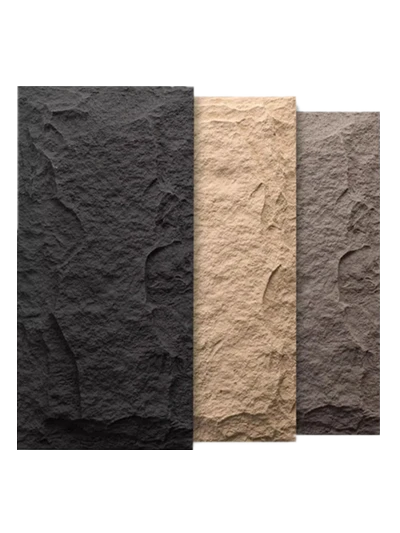
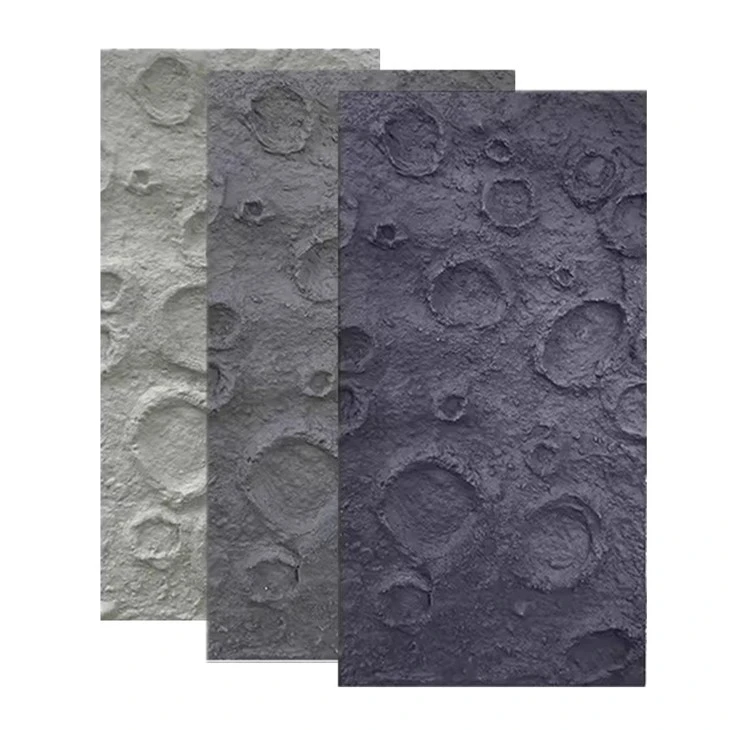
PU, or polyurethane, is a versatile polymer material that has found its way into numerous industries, including construction and decoration. PU stone wall panels are designed to mimic the appearance of natural stone, such as granite, marble, and mushroom stone, while offering several advantages over traditional stone materials. They come in various types, such as PU Mushroom Stone Wall Panel, Lightweight PU Stone Wall Panel, and Polyurethane Faux Stone Panel.
Environmental Benefits of PU Stone Wall Panels
1. Resource Conservation
One of the primary environmental benefits of PU stone wall panels is their ability to conserve natural resources. Traditional stone materials require extensive quarrying, which can have a significant impact on the environment. Quarrying operations often involve the destruction of natural habitats, soil erosion, and water pollution. In contrast, PU stone wall panels are manufactured using synthetic materials, which reduces the demand for natural stone extraction. This helps to preserve natural landscapes and protect wildlife habitats.
2. Energy Efficiency
The production of PU stone wall panels generally consumes less energy compared to the extraction and processing of natural stone. Natural stone needs to be mined, transported long distances, and then cut and polished, all of which require a substantial amount of energy. On the other hand, the manufacturing process of PU stone wall panels can be more energy - efficient, as it involves molding and shaping synthetic materials. Additionally, PU stone wall panels are lightweight, which reduces the energy required for transportation.
3. Reduced Waste
PU stone wall panels are often pre - fabricated to precise dimensions, which means there is less waste generated during the installation process. In traditional stone installations, a significant amount of stone is cut and discarded as waste. With PU stone wall panels, the panels can be cut on - site with minimal waste, and any leftover pieces can sometimes be reused in other projects. This reduces the amount of construction waste sent to landfills.
4. Longevity and Durability
PU stone wall panels are known for their durability. They are resistant to cracking, chipping, and fading, which means they have a longer lifespan compared to some traditional wall coverings. A longer lifespan reduces the frequency of replacement, which in turn reduces the overall environmental impact associated with the production and disposal of building materials.
Potential Environmental Concerns
1. Chemical Composition
PU is a synthetic polymer, and some people may have concerns about the chemicals used in its production. Polyurethane is typically made from a combination of polyols and isocyanates. Isocyanates can be hazardous if not handled properly during the manufacturing process. However, modern manufacturing techniques have improved significantly, and strict safety regulations are in place to ensure that the production of PU stone wall panels is safe and environmentally friendly. Reputable manufacturers also take steps to minimize the release of harmful chemicals during the production process.
2. Disposal
When it comes to the end - of - life disposal of PU stone wall panels, there are some considerations. Polyurethane is not biodegradable, which means it will not break down naturally in the environment. However, some recycling options are available for polyurethane materials. In some cases, PU can be recycled into other products, such as insulation materials or new polyurethane products. Additionally, as the demand for sustainable building materials grows, more research is being conducted on the development of more environmentally friendly disposal methods for PU products.
Comparing PU Stone Wall Panels with Other Wall Panel Materials
1. Comparison with Natural Stone
As mentioned earlier, natural stone extraction has a significant environmental impact. Natural stone also requires more maintenance, such as sealing to prevent staining and damage. PU stone wall panels, on the other hand, offer a similar aesthetic with less environmental impact and lower maintenance requirements.
2. Comparison with PVC Wall Panels
PVC (polyvinyl chloride) is another popular wall panel material. PVC is known for its low cost and ease of installation, but it also has some environmental drawbacks. PVC contains chlorine, and its production and disposal can release toxic chemicals. PU stone wall panels are generally considered to be a more environmentally friendly alternative, as they do not have the same chemical risks associated with PVC.
Sustainability Certifications
To ensure that PU stone wall panels meet certain environmental standards, look for products that have sustainability certifications. Certifications such as GREENGUARD (which certifies low - emissions products) or other local environmental certifications can provide assurance that the product has been tested and meets specific environmental criteria. These certifications can also be an indication of a manufacturer's commitment to environmental responsibility.
Conclusion
In conclusion, PU stone wall panels offer several environmental benefits, including resource conservation, energy efficiency, reduced waste, and durability. While there are some potential environmental concerns, such as the chemical composition and disposal, modern manufacturing practices and recycling initiatives are addressing these issues. Overall, PU stone wall panels can be a more environmentally friendly choice compared to traditional stone materials and some other synthetic wall panel options.
If you are considering using PU stone wall panels for your next project, I encourage you to contact us for more information. We can provide you with detailed product specifications, samples, and answer any questions you may have about our PU Mushroom Stone Wall Panel, Lightweight PU Stone Wall Panel, and Polyurethane Faux Stone Panel. Let's work together to create beautiful and sustainable spaces.
References
- "Environmental Impact of Construction Materials" - Journal of Sustainable Construction
- "Polyurethane: Properties and Applications" - Polymer Science Review
- "Sustainable Building Materials: A Guide" - Green Building Council