

Is PVC ceiling cladding easy to cut?
Nov 25, 2025
Leave a message
Is PVC ceiling cladding easy to cut? This is a question that many customers often ask me as a PVC ceiling cladding supplier. In this blog, I'll explore the cutting characteristics of PVC ceiling cladding, offering insights into its ease of cutting and the factors involved.
Understanding PVC Ceiling Cladding
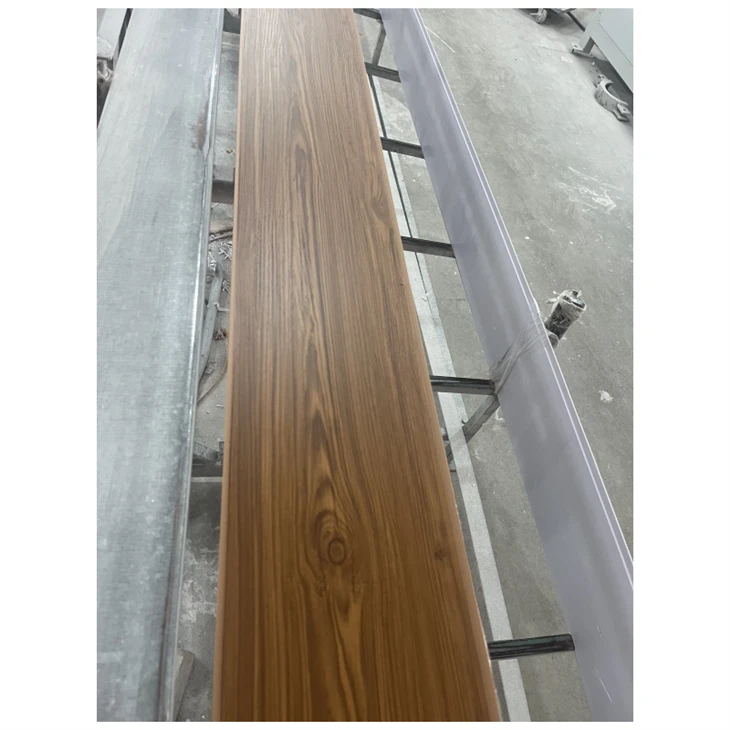
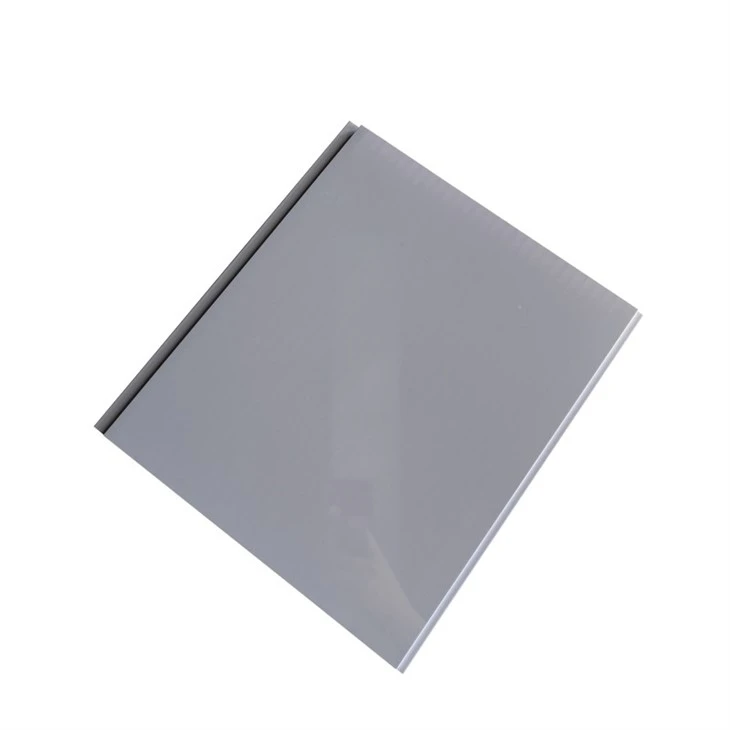
PVC, or polyvinyl chloride, is a synthetic plastic polymer that has become a popular choice for ceiling cladding due to its durability, affordability, and aesthetic appeal. PVC ceiling cladding comes in various colors, patterns, and thicknesses, making it suitable for a wide range of applications, from residential homes to commercial buildings. PVC Ceiling Panel Wall Board Sheet is one of the common products in the market, which can provide a decorative and functional solution for your ceiling.
The Ease of Cutting PVC Ceiling Cladding
One of the significant advantages of PVC ceiling cladding is its relative ease of cutting compared to other ceiling materials. PVC is a relatively soft and flexible material, which means it can be cut with a variety of tools.
Using Hand Tools
For small - scale projects or DIY enthusiasts, hand tools are a popular choice. A sharp utility knife is often sufficient for cutting thin PVC ceiling cladding. Simply score the surface of the PVC along the cutting line multiple times with the utility knife until the cut is deep enough. Then, you can snap the PVC along the scored line. This method is quick, easy, and doesn't require any special skills.
A handsaw can also be used for cutting PVC ceiling cladding. A fine - toothed handsaw, such as a coping saw or a backsaw, can make clean and precise cuts. When using a handsaw, it's important to secure the PVC firmly to prevent it from moving during the cutting process. This will ensure a straight and accurate cut.
Power Tools
For larger projects or professional installers, power tools offer greater speed and efficiency. A jigsaw is a great option for cutting PVC ceiling cladding. It can make curved or straight cuts with ease. When using a jigsaw, choose a blade with fine teeth designed for cutting plastic. This will help to prevent the PVC from melting or chipping during the cutting process.
A circular saw can also be used to cut PVC ceiling cladding. However, it's important to use a blade with a high tooth count and a slow cutting speed to avoid overheating the PVC. Overheating can cause the PVC to melt, warp, or produce rough edges.
Factors Affecting the Ease of Cutting
While PVC ceiling cladding is generally easy to cut, several factors can affect the cutting process.
Thickness
The thickness of the PVC ceiling cladding plays a significant role in the ease of cutting. Thinner PVC is easier to cut with hand tools, as it requires less force to score and snap. Thicker PVC, on the other hand, may require the use of power tools to make a clean and efficient cut. For example, a 3 - mm thick PVC ceiling cladding can be easily cut with a utility knife, while a 10 - mm thick one may need a jigsaw or a circular saw.
Quality of the PVC
The quality of the PVC also affects the cutting process. High - quality PVC is more consistent in its composition and has fewer impurities, which makes it easier to cut. Inferior quality PVC may have uneven thickness, rough surfaces, or internal defects, which can cause the cutting tool to get stuck or produce uneven cuts. When purchasing PVC ceiling cladding, it's important to choose a reliable supplier to ensure the quality of the product.
Cutting Conditions
The cutting conditions can also impact the ease of cutting. For example, if the PVC is cold, it may become more brittle and difficult to cut. In cold weather, it's advisable to warm up the PVC slightly before cutting to make it more flexible. Additionally, a clean and well - supported work surface can make the cutting process smoother and more accurate.
Applications of PVC Ceiling Cladding
PVC ceiling cladding is widely used in different settings. In residential buildings, it can be used in living rooms, bedrooms, kitchens, and bathrooms. Cheap Black PVC Ceiling can add a modern and stylish touch to your home. In commercial buildings such as offices, shops, and restaurants, PVC ceiling cladding can create a clean and professional look.
In bathrooms, Cheap PVC Bathroom Ceiling is a great choice. PVC is moisture - resistant, which means it won't warp or rot in a humid environment. It's also easy to clean, making it ideal for areas where hygiene is important.
Tips for Cutting PVC Ceiling Cladding
- Measure Twice, Cut Once: Accurate measurements are crucial to ensure a proper fit. Double - check your measurements before making any cuts.
- Use the Right Tools: As mentioned earlier, choosing the right cutting tool based on the thickness of the PVC and the project requirements is essential.
- Wear Protective Gear: When cutting PVC, it's important to wear safety glasses to protect your eyes from flying debris. If using power tools, ear protection may also be necessary.
Conclusion
In conclusion, PVC ceiling cladding is generally easy to cut. Whether you're a DIY enthusiast or a professional installer, there are a variety of tools available to suit your needs. The ease of cutting makes PVC ceiling cladding a popular choice for many projects. However, it's important to consider factors such as thickness, quality, and cutting conditions to ensure a smooth and accurate cutting process.
If you're interested in purchasing PVC ceiling cladding for your next project, I'd be more than happy to assist you. We offer a wide range of high - quality PVC ceiling cladding products at competitive prices. Feel free to contact us for more information or to start a procurement discussion.
References
- "Plastic Materials Handbook" by George E. Wypych
- "DIY Home Improvement Guide" by various authors