

Is PVC ceiling cladding waterproof?
Jul 28, 2025
Leave a message
As a supplier of PVC ceiling cladding, one of the most frequently asked questions I encounter is whether PVC ceiling cladding is waterproof. In this blog post, I'll delve into this topic, exploring the waterproof characteristics of PVC ceiling cladding, its applications in wet areas, and how it compares to other ceiling materials.
Understanding PVC Ceiling Cladding
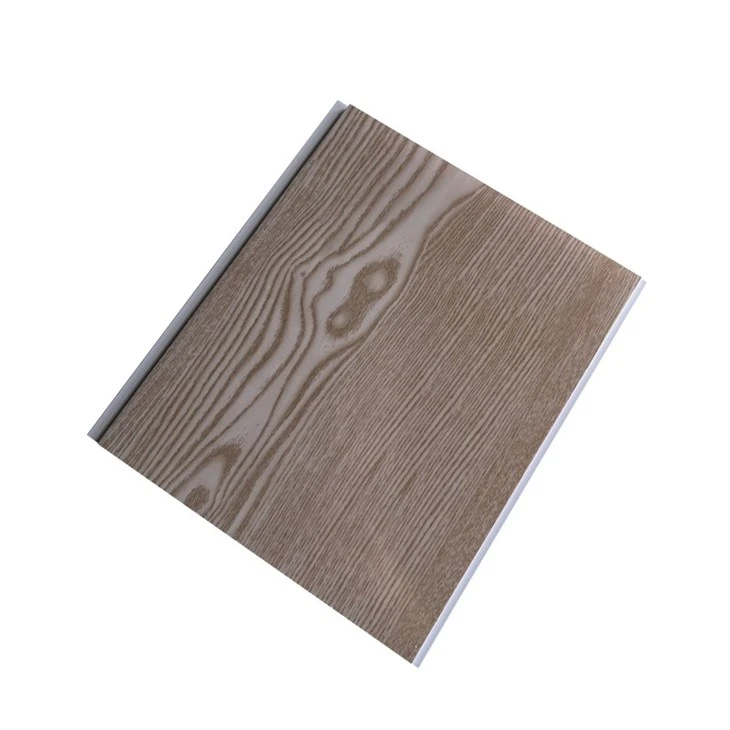
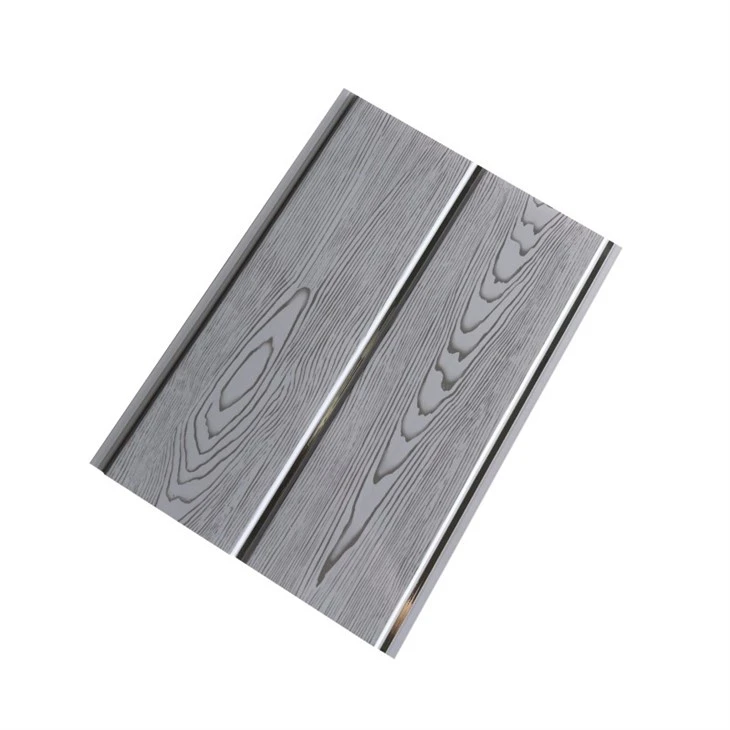
PVC, or polyvinyl chloride, is a synthetic plastic polymer known for its durability, versatility, and affordability. PVC ceiling cladding is made by extruding PVC resin into panels of various sizes, shapes, and designs. These panels are lightweight, easy to install, and come in a wide range of colors and patterns, making them a popular choice for both residential and commercial applications.
Is PVC Ceiling Cladding Waterproof?
The short answer is yes, PVC ceiling cladding is waterproof. PVC is a non - porous material, which means it does not absorb water. When properly installed, PVC ceiling cladding forms a continuous, sealed surface that prevents water from penetrating through to the ceiling structure behind it. This makes it an excellent choice for areas where moisture is a concern, such as bathrooms, kitchens, basements, and laundry rooms.
In addition to being waterproof, PVC ceiling cladding is also resistant to mold and mildew. Mold and mildew thrive in damp, dark environments, but the smooth, non - porous surface of PVC makes it difficult for these fungi to grow and spread. This not only helps to maintain a clean and healthy indoor environment but also extends the lifespan of the ceiling cladding.
Applications in Wet Areas
Bathrooms
Bathrooms are one of the most common areas where PVC ceiling cladding is used. The constant presence of steam and moisture from showers, baths, and sinks can cause traditional ceiling materials, such as drywall, to warp, rot, and develop mold. PVC ceiling cladding, on the other hand, can withstand the high humidity levels in bathrooms without any issues. It is easy to clean, simply requiring a wipe down with a damp cloth to remove soap scum and other residues. Check out our Kitchen PVC Ceiling for more inspiration on using PVC in wet areas.
Kitchens
Kitchens are another area where PVC ceiling cladding can be a great choice. Cooking generates steam, grease, and food splatters, which can stain and damage traditional ceiling materials. PVC ceiling cladding is resistant to these substances and can be easily cleaned, making it a practical and hygienic option for kitchens. Our PVC Wall Ceiling Panel can be used to create a seamless look in your kitchen.
Basements
Basements are often prone to water seepage and high humidity levels. PVC ceiling cladding can help to protect the ceiling from water damage and prevent the growth of mold and mildew. It can also improve the overall appearance of the basement, making it a more inviting space. Consider our PVC Tongue And Groove Ceiling for a durable and aesthetically pleasing basement ceiling solution.
Comparison with Other Ceiling Materials
Drywall
Drywall is a popular ceiling material, but it is not waterproof. When exposed to water, drywall can absorb moisture, causing it to sag, crack, and develop mold. In contrast, PVC ceiling cladding is waterproof and resistant to mold, making it a better choice for wet areas.
Wood
Wood ceilings can add a warm and natural look to a space, but they are also susceptible to water damage. Wood can warp, rot, and develop mold when exposed to moisture. PVC ceiling cladding offers a similar aesthetic appeal in some cases, with options that mimic the look of wood, but without the water - related issues.
Metal
Metal ceilings are durable and can be waterproof, but they can be expensive and may require professional installation. PVC ceiling cladding is more affordable and can be easily installed by DIYers, making it a cost - effective option for many homeowners and businesses.
Installation Considerations
To ensure the waterproofing effectiveness of PVC ceiling cladding, proper installation is crucial. The panels should be installed tightly together, with no gaps or spaces where water could seep through. It is also important to use the appropriate adhesives and fasteners to secure the panels to the ceiling structure.
In addition, proper ventilation should be maintained in areas where PVC ceiling cladding is installed. Good ventilation helps to reduce humidity levels and prevent the buildup of moisture, which can further enhance the performance of the ceiling cladding.
Maintenance
Maintaining PVC ceiling cladding is relatively easy. As mentioned earlier, it can be cleaned with a damp cloth and a mild detergent. Avoid using abrasive cleaners or scrubbers, as these can scratch the surface of the panels. Regular cleaning will help to keep the ceiling looking new and prevent the buildup of dirt and grime.
Conclusion
In conclusion, PVC ceiling cladding is indeed waterproof and offers many advantages for areas where moisture is a concern. Its durability, resistance to mold and mildew, ease of installation, and low maintenance make it a popular choice for both residential and commercial applications. Whether you are renovating a bathroom, kitchen, or basement, PVC ceiling cladding can provide a practical and aesthetically pleasing solution.
If you are interested in purchasing PVC ceiling cladding for your project, I encourage you to get in touch with us. Our team of experts can provide you with more information, help you choose the right product for your needs, and offer guidance on installation and maintenance. Let's start a conversation about how PVC ceiling cladding can transform your space.
References
- "Plastic Materials: Properties and Applications" by John A. Brydson
- "Building Materials: Principles, Properties, and Selection" by David Croll