

Is pvc foam panel fire - resistant?
Aug 22, 2025
Leave a message
Is PVC Foam Panel Fire - Resistant?
As a supplier of PVC foam panels, I often encounter inquiries from customers regarding the fire - resistance of these panels. In this blog, I'll delve into the scientific aspects of PVC foam panels' fire - resistance, compare them with other similar products in the market, and provide a comprehensive understanding for potential buyers.
Understanding PVC Foam Panels
PVC, or polyvinyl chloride, is a widely used plastic material. PVC foam panels are made by adding foaming agents to PVC resin during the manufacturing process, which results in a lightweight and versatile product. These panels are popular in various applications, including interior decoration, advertising displays, and furniture manufacturing, due to their low cost, ease of processing, and good mechanical properties.
Fire - Resistance Mechanisms
To determine whether PVC foam panels are fire - resistant, we need to understand the basic principles of fire resistance. Fire - resistant materials usually have one or more of the following characteristics: they can delay the spread of fire, reduce the release of heat, and limit the production of toxic gases.
PVC itself has some degree of inherent fire - retardant properties. Chlorine, which is a major component of PVC, can act as a fire - retardant element. When PVC is exposed to fire, the chlorine atoms can react with free radicals generated during the combustion process, thereby interrupting the chain reaction of combustion and slowing down the burning rate. Additionally, PVC can form a char layer on its surface when heated, which acts as a barrier to prevent oxygen from reaching the underlying material and further suppresses the combustion process.
However, the fire - resistance of PVC foam panels is not absolute. The foaming structure of the panels may influence their fire - performance. Foam materials generally have a large surface - to - volume ratio, which means they can catch fire more easily and burn more quickly compared to solid materials. Moreover, if the foaming agents used in the production of PVC foam panels are flammable, it may compromise the overall fire - resistance of the panels.
Testing and Standards
In the industry, there are specific standards and tests to evaluate the fire - resistance of building materials, including PVC foam panels. For example, the ASTM E84 test in the United States measures the surface burning characteristics of materials. This test involves exposing a sample of the material to a controlled flame in a tunnel and measuring the flame spread index (FSI) and the smoke - developed index (SDI).
According to relevant standards, materials with a low FSI are considered to have better fire - resistance. For PVC foam panels, the fire - performance can vary depending on the formulation, manufacturing process, and additives used. Some high - quality PVC foam panels can achieve relatively low FSI values, indicating good fire - resistance. However, it's important to note that not all PVC foam panels on the market meet the same high - level fire - safety standards.
Comparison with Other Panels
Let's compare PVC foam panels with other popular panel products in the market, such as WPC Wall Panel Bamboo Charcoal Wood Veneer and Wood Veneer Wall Panel Interior.

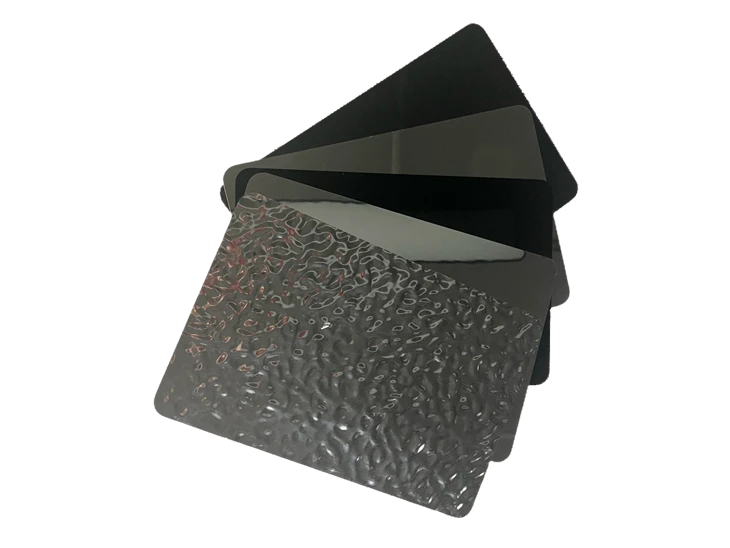
Wood - based panels, like those with wood veneers, are generally more flammable than PVC foam panels. Wood is a natural organic material that burns easily when exposed to fire. It has a high heat release rate and can produce a large amount of smoke and toxic gases during combustion. In contrast, PVC foam panels, with their inherent fire - retardant properties, can offer better fire - safety in some applications.
On the other hand, Bamboo Charcoal Veneer panels may have some fire - retardant characteristics due to the presence of bamboo charcoal. Bamboo charcoal has been reported to have properties that can absorb heat and reduce the spread of fire to some extent. However, the overall fire - resistance of bamboo charcoal veneer panels may still be affected by the base material and the manufacturing process.
Applications and Fire - Safety Considerations
In different applications, the fire - resistance requirements for PVC foam panels can vary. In interior decoration, especially in public buildings such as hotels, shopping malls, and hospitals, strict fire - safety regulations are in place. PVC foam panels used in these areas should comply with relevant fire - resistance standards to ensure the safety of occupants.
For advertising displays, the fire - resistance requirements may be relatively lower, but it's still important to choose panels with acceptable fire - performance to prevent potential fire hazards. When using PVC foam panels in furniture manufacturing, the fire - resistance can also be a crucial factor, especially for furniture placed in high - traffic or public areas.
Improving Fire - Resistance
As a supplier, we are constantly looking for ways to improve the fire - resistance of our PVC foam panels. One approach is to use high - quality fire - retardant additives during the manufacturing process. These additives can enhance the fire - retardant properties of the panels by further suppressing combustion and reducing the release of heat and toxic gases.
Another method is to optimize the foaming process. By carefully controlling the density and structure of the foam, we can minimize the flammable areas in the panels and improve their overall fire - performance. Additionally, conducting regular quality control and testing can ensure that the panels meet or exceed the required fire - safety standards.
Conclusion
So, is PVC foam panel fire - resistant? The answer is that PVC foam panels have some degree of fire - resistance due to the inherent properties of PVC. However, their fire - performance can vary depending on multiple factors such as formulation, manufacturing process, and additives.
When choosing PVC foam panels for your projects, it's essential to consider the specific fire - safety requirements of the application. As a reliable supplier, we can provide you with detailed information about the fire - resistance of our products and help you select the most suitable panels for your needs.
If you are interested in our PVC foam panels or have any questions regarding their fire - resistance or other properties, we encourage you to contact us for further discussion and procurement negotiation. We are committed to providing high - quality products and excellent customer service to meet your requirements.
References
- ASTM International. ASTM E84 - Standard Test Method for Surface Burning Characteristics of Building Materials.
- Relevant industry reports on the fire - performance of PVC and related materials.