

Is PVC tile flooring affected by static electricity?
Sep 26, 2025
Leave a message
Static electricity is a common phenomenon in our daily lives, often causing minor annoyances like clothes clinging together or a small shock when touching a metal object. As a supplier of PVC tile flooring, I've frequently encountered questions from customers regarding whether PVC tile flooring is affected by static electricity. In this blog post, I'll delve into the science behind static electricity, how it relates to PVC tile flooring, and the implications for both residential and commercial applications.
To understand how static electricity might affect PVC tile flooring, we first need to grasp the basics of static electricity itself. Static electricity is the result of an imbalance of electric charges within or on the surface of a material. This imbalance occurs when two materials come into contact and then separate, causing electrons to transfer from one material to the other. The material that loses electrons becomes positively charged, while the one that gains electrons becomes negatively charged.
PVC, or polyvinyl chloride, is a synthetic plastic polymer. It is one of the most widely used plastics in the world, and its properties make it an excellent choice for flooring. PVC tile flooring is known for its durability, water resistance, ease of installation, and aesthetic appeal. However, like many other materials, PVC can generate static electricity under certain conditions.
The generation of static electricity on PVC tile flooring is primarily influenced by two factors: friction and humidity. When people walk on the floor, their shoes rub against the PVC surface, creating friction. This friction can cause electrons to be transferred between the shoes and the floor, leading to a buildup of static charge. The amount of charge generated depends on the type of shoes, the walking speed, and the nature of the floor surface.
Humidity also plays a crucial role in static electricity generation. In dry environments, where the relative humidity is low, static charges are more likely to build up because dry air is a poor conductor of electricity. As a result, the charges cannot dissipate easily and remain on the surface of the PVC tile flooring. On the other hand, in humid environments, the moisture in the air helps to conduct the static charges away from the floor, reducing the likelihood of static buildup.
So, what are the potential effects of static electricity on PVC tile flooring? One of the most noticeable effects is the attraction of dust and dirt. Static charges on the floor surface can act like a magnet, pulling in small particles from the air. This can make the floor look dirty more quickly and may require more frequent cleaning. Additionally, static electricity can cause discomfort to people walking on the floor. They may experience small shocks when touching metal objects or other conductive materials, which can be unpleasant, especially in sensitive environments such as hospitals or laboratories.
In some industrial settings, static electricity on PVC tile flooring can pose more serious risks. For example, in environments where flammable substances are present, a static spark could potentially ignite the substances, leading to a fire or explosion. Therefore, in such environments, it is essential to use anti - static PVC tile flooring.
Anti - static PVC tile flooring is designed to reduce or eliminate the buildup of static electricity. These floors are typically treated with special additives that help to conduct the static charges away from the surface. There are two main types of anti - static PVC tile flooring: dissipative and conductive.
Dissipative PVC tile flooring has a surface resistance that allows the static charges to dissipate slowly over time. This type of flooring is suitable for most commercial and industrial applications where the risk of static discharge needs to be minimized but not completely eliminated. Conductive PVC tile flooring, on the other hand, has a very low surface resistance, which allows the static charges to flow quickly to the ground. Conductive floors are commonly used in high - risk environments such as electronics manufacturing facilities, where even a small static discharge can damage sensitive electronic components.
As a PVC tile flooring supplier, I offer a wide range of products to meet different customer needs. Whether you are looking for standard PVC tile flooring for your home or anti - static flooring for an industrial facility, we have the right solution for you. Our Vinyl PVC Flooring and PVC Flooring Sheet are available in various styles, colors, and thicknesses to suit your aesthetic and functional requirements. And our PVC Tile Flooring is known for its high quality and durability.
When choosing PVC tile flooring, it is important to consider the environment in which it will be installed. If you live in a dry climate or have a high - traffic area, you may want to opt for anti - static flooring to prevent static buildup and the associated problems. Our team of experts can help you select the most appropriate flooring for your specific needs. We can provide detailed information about the properties of our products, including their static - resistant capabilities, and offer advice on installation and maintenance.
In addition to the anti - static properties, our PVC tile flooring also offers many other benefits. It is easy to clean and maintain, which can save you time and money in the long run. It is also resistant to wear and tear, making it a great choice for high - traffic areas. And with its wide range of design options, you can find a flooring style that matches your interior decor.
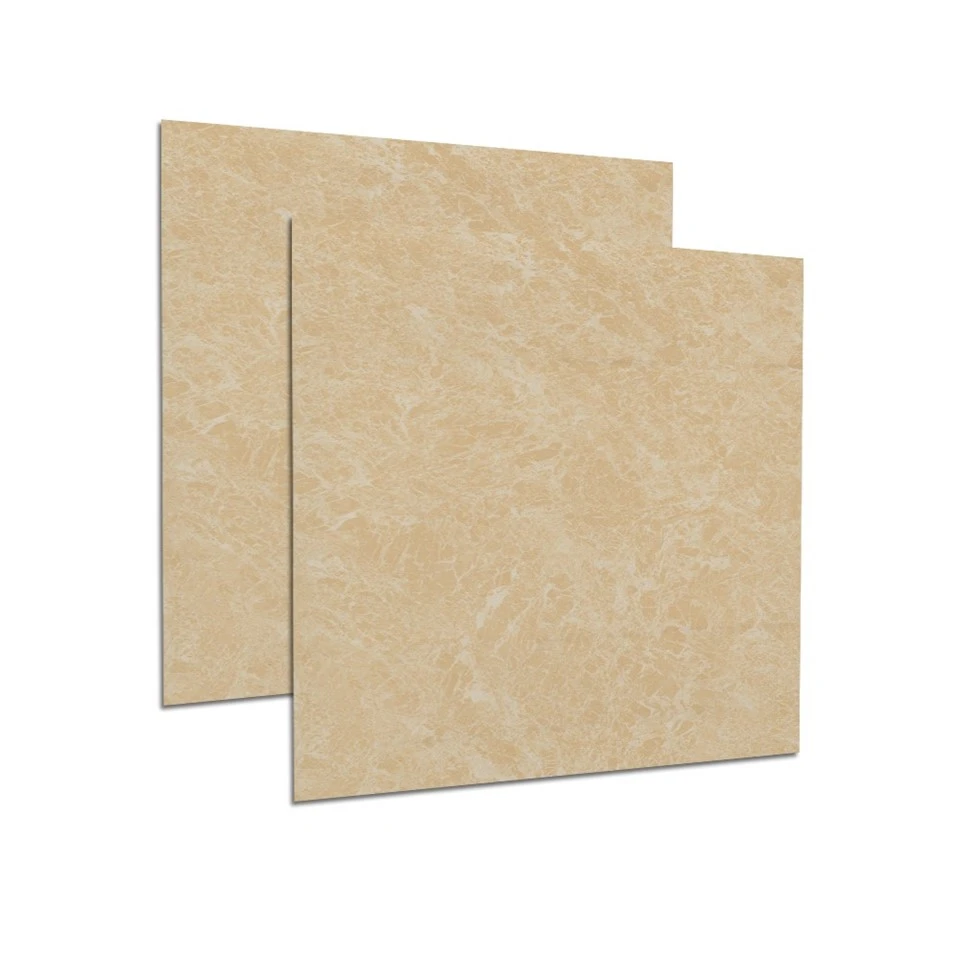

If you are interested in our PVC tile flooring products or have any questions about static electricity and its effects on flooring, please feel free to contact us. We are always happy to assist you with your flooring needs and help you make an informed decision. Whether you are a homeowner looking to renovate your living space or a business owner in need of commercial flooring solutions, we have the expertise and the products to meet your requirements.
In conclusion, while PVC tile flooring can be affected by static electricity under certain conditions, there are effective solutions available to mitigate these effects. By choosing the right type of PVC tile flooring and taking appropriate measures to control humidity and reduce friction, you can enjoy a comfortable and static - free environment. As a trusted PVC tile flooring supplier, we are committed to providing high - quality products and excellent customer service. Contact us today to start your flooring project and experience the difference that our PVC tile flooring can make.
References
- "Handbook of Static Electricity" by Arthur D. Moore
- "Plastics in Construction" by Brian P. Grady
- Industry reports on PVC flooring technology and applications