

Is vinyl pvc flooring eco - friendly?
Nov 28, 2025
Leave a message
Is vinyl pvc flooring eco - friendly?
As a supplier of vinyl PVC flooring, I often encounter questions from customers regarding the environmental friendliness of our products. This topic is not only crucial for consumers who are conscious about the environment but also for the long - term development of our industry. In this blog, I will delve into the various aspects of vinyl PVC flooring and analyze whether it can be considered eco - friendly.
Composition and Manufacturing of Vinyl PVC Flooring
Vinyl PVC flooring is primarily made from polyvinyl chloride (PVC), a synthetic plastic polymer. The manufacturing process involves several steps. First, PVC resin is mixed with various additives such as plasticizers, stabilizers, and pigments. Plasticizers are used to make the PVC more flexible, while stabilizers prevent degradation during processing and use. Pigments are added to give the flooring its desired color.

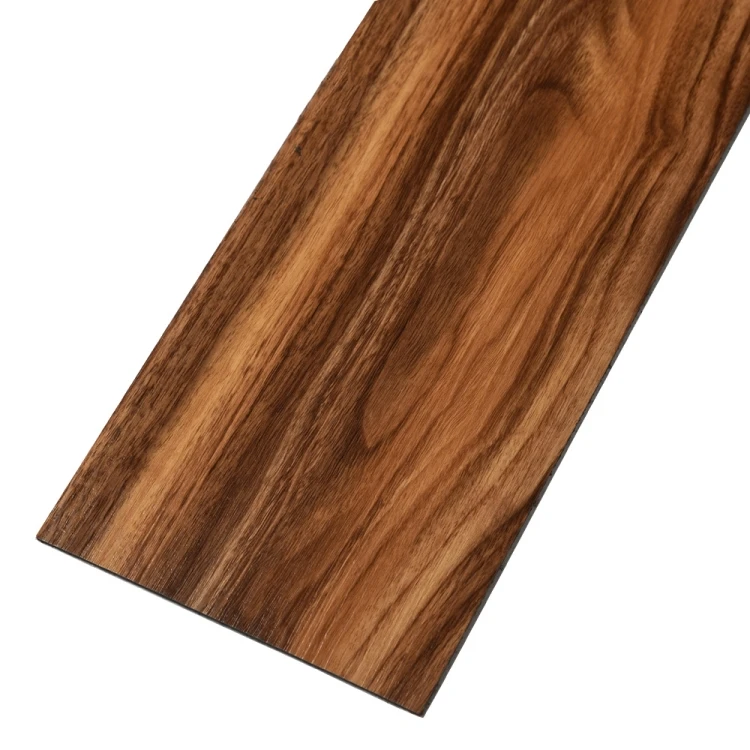
The production of PVC itself has raised environmental concerns. The production of PVC resin requires large amounts of energy, and it involves the use of chlorine, which can be a source of pollution if not managed properly. However, modern manufacturing technologies have made significant progress in reducing the environmental impact of PVC production. Many manufacturers now use more energy - efficient processes and advanced waste treatment systems to minimize emissions.
Advantages of Vinyl PVC Flooring from an Environmental Perspective
- Durability
One of the significant environmental benefits of vinyl PVC flooring is its durability. Vinyl PVC Flooring can last for a long time, often up to 10 - 20 years or more, depending on the quality and usage. This means that it does not need to be replaced as frequently as some other types of flooring, such as carpet or laminate. By reducing the frequency of replacement, less material is consumed over time, which in turn reduces the overall environmental impact associated with the production, transportation, and disposal of flooring materials. - Energy Efficiency in Use
Vinyl PVC flooring has good thermal insulation properties. It can help to keep a room warm in the winter and cool in the summer, reducing the energy consumption of heating and cooling systems. This energy - saving feature is beneficial for the environment as it reduces the demand for fossil fuels and the associated greenhouse gas emissions. - Recyclability
In recent years, there has been an increasing focus on the recyclability of vinyl PVC flooring. Some manufacturers have developed recycling programs for their products. When vinyl PVC flooring reaches the end of its life, it can be recycled into new flooring or other PVC - based products. Recycling helps to reduce the amount of waste going to landfills and conserves natural resources by reusing existing materials.
Disadvantages of Vinyl PVC Flooring from an Environmental Perspective
- Chemical Additives
As mentioned earlier, vinyl PVC flooring contains various chemical additives. Some of these additives, such as certain types of plasticizers, have been a cause for concern. Phthalates, a type of plasticizer, have been linked to potential health risks, including endocrine disruption. Although many manufacturers have started to use phthalate - free plasticizers, there are still some products on the market that may contain these harmful chemicals. - Emissions
During the manufacturing process and even during use, vinyl PVC flooring can emit volatile organic compounds (VOCs). VOCs are chemicals that can evaporate into the air and contribute to indoor air pollution. High levels of VOCs can cause health problems such as headaches, dizziness, and respiratory irritation. However, many modern vinyl PVC flooring products are now low - VOC or VOC - free, which helps to mitigate this issue. - Disposal Challenges
While vinyl PVC flooring can be recycled, not all recycling facilities are equipped to handle it. In many areas, vinyl PVC flooring still ends up in landfills. When PVC decomposes in landfills, it can release harmful chemicals into the environment. Additionally, the incineration of PVC can produce dioxins, which are highly toxic and persistent environmental pollutants.
Comparing Vinyl PVC Flooring with Other Flooring Types
- Carpet
Carpet is a popular flooring option, but it has its own environmental drawbacks. Carpet often has a shorter lifespan than vinyl PVC flooring, especially in high - traffic areas. It also requires more frequent cleaning, which may involve the use of chemical cleaners. Additionally, carpet fibers can shed and contribute to indoor air pollution. In terms of energy efficiency, carpet is generally not as good as vinyl PVC flooring in terms of thermal insulation. - Hardwood Flooring
Hardwood flooring is considered a natural and aesthetically pleasing option. However, the production of hardwood flooring requires the harvesting of trees, which can have a significant impact on forests. If not sourced sustainably, it can lead to deforestation and habitat loss. Hardwood flooring also requires more energy - intensive finishing processes, such as sanding and staining. In comparison, vinyl PVC flooring does not rely on natural forests for its production.
How Our Company Addresses Environmental Concerns
As a vinyl PVC flooring supplier, we are committed to producing environmentally friendly products. We use phthalate - free plasticizers in our manufacturing process to ensure the safety of our customers. Our products are also low - VOC, which helps to improve indoor air quality.
We are actively involved in promoting the recycling of our vinyl PVC flooring. We have established partnerships with recycling facilities to ensure that our products can be properly recycled at the end of their life. We also provide information to our customers on how to dispose of our flooring in an environmentally friendly way.
Conclusion
So, is vinyl PVC flooring eco - friendly? The answer is not straightforward. While vinyl PVC flooring has some environmental advantages, such as durability, energy efficiency, and recyclability, it also has some drawbacks, including the use of chemical additives, potential emissions, and disposal challenges.
However, with the continuous improvement of manufacturing technologies and the increasing focus on environmental protection, the environmental performance of vinyl PVC flooring is getting better. As a supplier, we are constantly working to reduce the environmental impact of our products and provide our customers with more sustainable flooring options.
If you are interested in our PVC Tile Flooring or PVC Flooring Sheet, please feel free to contact us for more information and to discuss your purchasing needs. We are looking forward to working with you to create a more sustainable living environment.
References
- "The Environmental Impact of Flooring Materials," Journal of Sustainable Building Practices, Vol. 12, Issue 3, 2022.
- "Recycling of Vinyl PVC Products," International Plastics Recycling Association Report, 2023.
- "Health and Environmental Effects of PVC Additives," Environmental Health Perspectives, Vol. 130, Issue 5, 2021.