

What is the acoustic performance of outdoor wall panels?
Aug 12, 2025
Leave a message
As a dedicated supplier of outdoor wall panels, I often encounter inquiries regarding the acoustic performance of these essential building materials. Understanding the acoustic properties of outdoor wall panels is crucial, not only for creating a comfortable outdoor environment but also for meeting various regulatory and aesthetic requirements. In this blog post, I will delve into the factors that influence the acoustic performance of outdoor wall panels, explore different types of panels and their acoustic characteristics, and discuss how our products at [Company Name] can meet your acoustic needs.
Factors Affecting Acoustic Performance
The acoustic performance of outdoor wall panels is determined by several key factors, including the material composition, panel design, and installation method. Each of these elements plays a significant role in how well the panels absorb, reflect, or transmit sound.

Material Composition
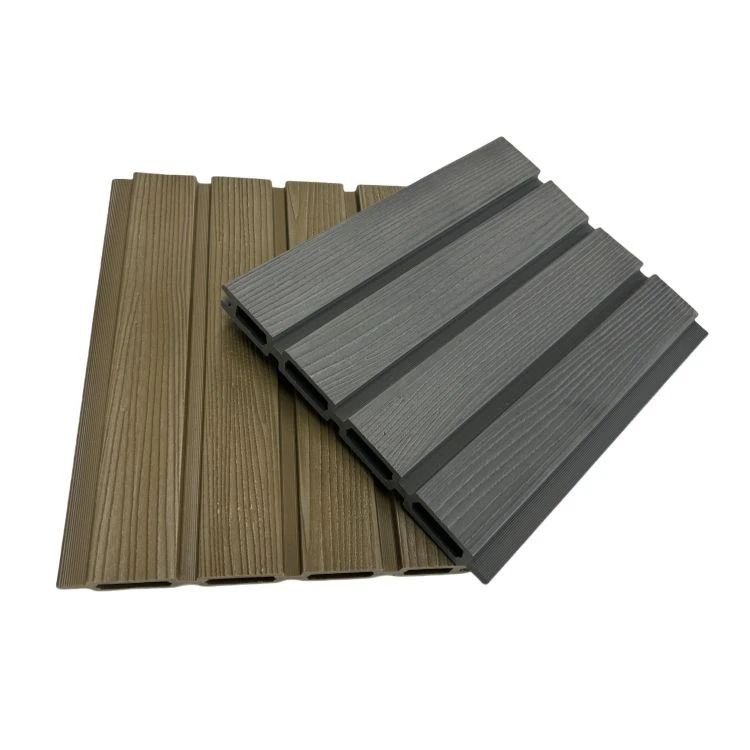
The choice of material is one of the most critical factors affecting acoustic performance. Different materials have unique sound absorption and insulation properties. For example, wood-plastic composite (WPC) panels, such as our WPC Exterior Wall Panel, are known for their excellent acoustic performance. WPC is a blend of wood fibers and plastic polymers, which provides a porous structure that can effectively absorb sound waves. The wood fibers act as natural sound absorbers, while the plastic polymers add durability and resistance to environmental factors.
In contrast, solid metal or concrete panels tend to reflect sound rather than absorb it. While these materials may be suitable for applications where sound reflection is desired, such as in some architectural designs, they are less effective at reducing noise levels.
Panel Design
The design of the outdoor wall panels also plays a crucial role in their acoustic performance. Panels with a textured or perforated surface can increase sound absorption by creating additional surfaces for sound waves to interact with. For instance, our Exterior WPC Wall Panel features a unique surface texture that enhances its acoustic properties. The texture disrupts the smooth flow of sound waves, causing them to scatter and absorb more effectively.
Additionally, the thickness and density of the panels can impact their acoustic performance. Thicker and denser panels generally provide better sound insulation than thinner and lighter ones. However, it is essential to balance the acoustic benefits with other factors such as cost, weight, and installation requirements.
Installation Method
Proper installation is essential for achieving optimal acoustic performance. Gaps or voids between panels can allow sound to leak through, reducing the overall effectiveness of the wall system. Therefore, it is crucial to ensure that the panels are installed tightly and securely, with appropriate sealing materials used to fill any gaps.
Furthermore, the installation of additional insulation materials behind the panels can significantly improve their acoustic performance. Insulation materials such as fiberglass or mineral wool can absorb sound waves and prevent them from traveling through the wall. Our Outdoor WPC Wall Panel can be easily installed with insulation, providing an extra layer of sound protection.
Types of Outdoor Wall Panels and Their Acoustic Characteristics
There are several types of outdoor wall panels available on the market, each with its own unique acoustic characteristics. Here are some of the most common types:
Wood-Plastic Composite (WPC) Panels
As mentioned earlier, WPC panels offer excellent acoustic performance due to their porous structure and natural sound-absorbing properties. They are also resistant to moisture, rot, and insects, making them a popular choice for outdoor applications. WPC panels can be used in a variety of settings, including residential homes, commercial buildings, and public spaces.
Fiber Cement Panels
Fiber cement panels are made from a mixture of cement, cellulose fibers, and other additives. They are known for their durability, fire resistance, and low maintenance requirements. While fiber cement panels may not have the same level of acoustic performance as WPC panels, they can still provide some sound insulation. The addition of insulation materials can further enhance their acoustic properties.
Metal Panels
Metal panels, such as aluminum or steel, are often used for their aesthetic appeal and durability. However, they tend to reflect sound rather than absorb it. To improve their acoustic performance, metal panels can be lined with insulation materials or designed with perforations to allow sound to enter and be absorbed.
Stone Panels
Stone panels, such as granite or marble, are prized for their natural beauty and durability. They can provide some sound insulation, but their acoustic performance is generally lower than that of other materials. Similar to metal panels, stone panels can be combined with insulation to enhance their sound-absorbing properties.
How Our Outdoor Wall Panels Can Meet Your Acoustic Needs
At [Company Name], we understand the importance of acoustic performance in outdoor wall panels. That's why we offer a range of high-quality WPC panels that are designed to provide excellent sound absorption and insulation. Our WPC Exterior Wall Panel, Exterior WPC Wall Panel, and Outdoor WPC Wall Panel are all engineered to meet the highest standards of acoustic performance.
In addition to their acoustic benefits, our WPC panels are also environmentally friendly, easy to install, and require minimal maintenance. They are available in a variety of colors, textures, and designs, allowing you to create a unique and stylish outdoor space that meets your specific needs.
Whether you are looking to reduce noise levels in a residential backyard, create a quiet outdoor workspace, or enhance the acoustic performance of a commercial building, our outdoor wall panels can provide the solution you need. Our team of experts is available to assist you in selecting the right panels for your project and providing guidance on installation and maintenance.
Contact Us for Your Outdoor Wall Panel Needs
If you are interested in learning more about the acoustic performance of our outdoor wall panels or would like to discuss your specific project requirements, please do not hesitate to contact us. We are committed to providing our customers with the highest level of service and quality products. Let us help you create an outdoor space that is not only beautiful but also acoustically comfortable.
References
- Beranek, Leo L. Acoustics. American Institute of Physics, 1986.
- Craik, R. J. M. Handbook of Noise and Vibration Control. Elsevier, 2010.
- Fahy, Frank J., and Peter A. Walker. Sound and Structural Vibration: Radiation, Transmission and Response. Academic Press, 2005.