

What is the bending radius of flexible ceramic tiles?
Sep 18, 2025
Leave a message
What is the bending radius of flexible ceramic tiles?
As a supplier of flexible ceramic tiles, I often encounter questions from customers regarding the technical specifications of our products, and one of the most frequently asked questions is about the bending radius of flexible ceramic tiles. In this blog post, I will delve into the concept of the bending radius, its significance, and how it pertains to our flexible ceramic tiles.
Understanding the Bending Radius
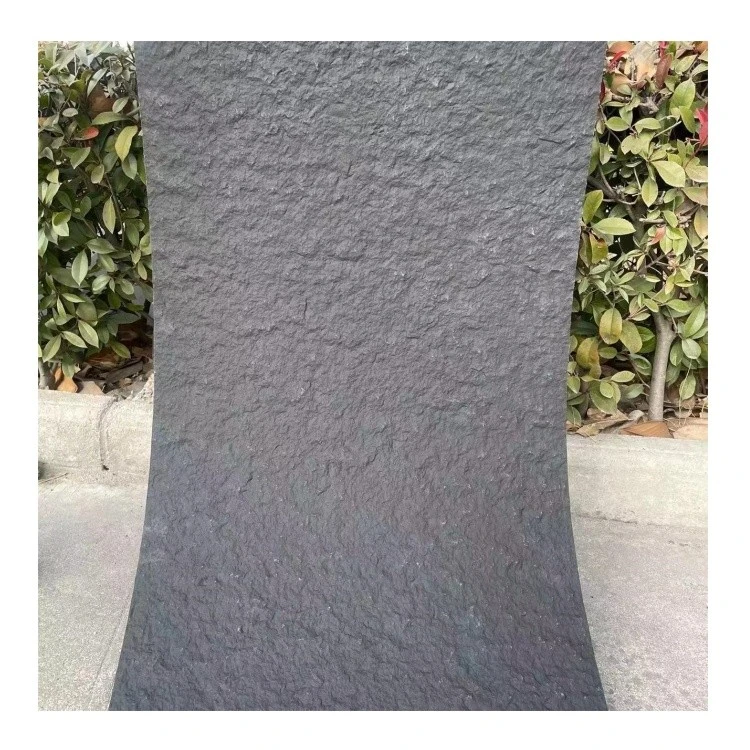
The bending radius refers to the minimum radius into which a material can be bent without causing damage, such as cracking, breaking, or delamination. In the context of flexible ceramic tiles, it is a crucial parameter that determines the tile's flexibility and its suitability for various applications. A smaller bending radius indicates greater flexibility, allowing the tile to be curved or bent more tightly.
Factors Affecting the Bending Radius of Flexible Ceramic Tiles
Several factors influence the bending radius of flexible ceramic tiles:
1. Material Composition
The composition of the flexible ceramic tile plays a significant role in determining its bending radius. Our flexible ceramic tiles are made from a unique combination of high - quality ceramic materials and flexible polymers. The ceramic provides the tile with its characteristic hardness, durability, and aesthetic appeal, while the polymer component imparts flexibility. The ratio of ceramic to polymer, as well as the type of polymer used, can greatly affect the tile's ability to bend. For instance, tiles with a higher proportion of a more elastic polymer will generally have a smaller bending radius.
2. Tile Thickness
Thickness is another important factor. Thinner flexible ceramic tiles typically have a smaller bending radius compared to thicker ones. This is because a thinner tile has less material to resist the bending force. Our product range includes tiles of different thicknesses, and customers can choose the appropriate thickness based on their specific bending requirements. For applications that require tight curves, such as around columns or on curved walls, thinner tiles are often the preferred choice.
3. Manufacturing Process
The manufacturing process also has an impact on the bending radius. At our production facility, we use advanced manufacturing techniques to ensure the uniform distribution of materials within the tile. This uniformity is essential for consistent flexibility across the entire tile surface. Any inconsistencies in the manufacturing process, such as uneven distribution of the polymer or improper curing, can lead to variations in the bending radius and may even cause the tile to crack during bending.
Significance of the Bending Radius in Applications
The bending radius of flexible ceramic tiles is of great importance in a variety of applications:
1. Interior Design
In interior design, flexible ceramic tiles offer designers a new level of creativity. They can be used to create curved backsplashes in kitchens, circular or oval-shaped feature walls in living rooms, or even to wrap around cylindrical columns. For example, a designer might want to create a unique, flowing design on a curved wall in a modern restaurant. By using our flexible ceramic tiles with a small bending radius, they can achieve a seamless, continuous look that would be impossible with traditional rigid tiles. You can explore our Flexible Wall Tile options for such interior design projects.
2. Exterior Cladding
On the exterior of buildings, flexible ceramic tiles can be used to clad curved facades or to add decorative elements to rounded architectural features. Their ability to conform to different shapes allows for a more harmonious integration of the building with its surroundings. For instance, on a contemporary building with a curvilinear design, our flexible ceramic tiles can provide both protection and an aesthetically pleasing finish. Our Flexible Porcelain Tile is a popular choice for exterior applications due to its durability and weather resistance.
3. Automotive and Marine Interiors
In the automotive and marine industries, flexible ceramic tiles can be used to enhance the interiors. They can be bent to fit the contours of car dashboards, boat cabins, or other curved surfaces. The small bending radius of our tiles makes them suitable for these applications, where space is often limited and complex shapes need to be accommodated.
Measuring the Bending Radius
To accurately measure the bending radius of our flexible ceramic tiles, we use specialized testing equipment. The tile is gradually bent around a series of mandrels with different radii until the point of failure (cracking or breaking) is reached. The smallest radius at which the tile can be bent without damage is recorded as the bending radius. This testing is carried out in accordance with international standards to ensure the reliability and consistency of our product specifications.
Our Product Range and Bending Radius Specifications
We offer a wide range of flexible ceramic tiles with different bending radius specifications to meet the diverse needs of our customers. Our standard tiles typically have a bending radius ranging from 50mm to 200mm, depending on the tile thickness and material composition. For customers with more demanding applications that require an even smaller bending radius, we can also provide custom - made tiles. You can find more information about our product range on our Flexible Ceramic Tile page.
Tips for Bending Flexible Ceramic Tiles
When working with flexible ceramic tiles, it is important to follow some best practices to ensure successful bending:

1. Prepare the Surface
The surface on which the tile will be bent should be clean, smooth, and free of any debris. A rough or uneven surface can cause the tile to crack during bending.
2. Use the Right Tools
Appropriate tools, such as a bending former or a flexible template, should be used to guide the bending process. This helps to ensure a uniform bend and reduces the risk of damage to the tile.
3. Bend Slowly
Bending the tile too quickly can cause it to crack. It is recommended to bend the tile slowly and gradually, applying even pressure along the length of the tile.
Conclusion
The bending radius of flexible ceramic tiles is a critical parameter that determines their flexibility and suitability for various applications. As a supplier, we are committed to providing high - quality flexible ceramic tiles with consistent and reliable bending radius specifications. Our tiles offer designers and installers the freedom to create unique and innovative designs that were previously impossible with traditional rigid tiles.
If you are interested in our flexible ceramic tiles and would like to discuss your specific requirements, or if you have any further questions about the bending radius or other technical aspects of our products, please feel free to contact us. We look forward to the opportunity to work with you on your next project.
References
- Ceramic Tile Association Technical Reports
- International Standards for Flexible Building Materials Testing