

What is the chemical stability of pu stone panels?
Jan 19, 2026
Leave a message
As a supplier of PU stone panels, I often get asked about the chemical stability of these innovative building materials. In this blog post, I'll delve into the details of what chemical stability means for PU stone panels, why it matters, and how it impacts their performance in various applications.
Understanding Chemical Stability
Chemical stability refers to the ability of a material to resist chemical reactions that could alter its physical and chemical properties over time. For PU stone panels, this means maintaining their structural integrity, appearance, and performance when exposed to different chemicals, environmental factors, and conditions. A chemically stable PU stone panel will not degrade, discolor, or lose its strength when in contact with substances such as water, acids, alkalis, solvents, and UV radiation.
Factors Affecting the Chemical Stability of PU Stone Panels
1. Raw Materials
The quality and type of raw materials used in the production of PU stone panels play a crucial role in determining their chemical stability. Polyurethane (PU) is the primary material, and its formulation can vary significantly. High - quality PU resins with proper additives are more resistant to chemical attacks. For example, some PU formulations are designed to have better water - resistance, which is essential for outdoor applications where the panels may be exposed to rain and humidity.
2. Manufacturing Process
The manufacturing process also influences chemical stability. Precise control of factors such as temperature, pressure, and curing time during production ensures that the PU stone panels have a uniform and dense structure. A well - manufactured panel is less likely to have pores or weak points where chemicals can penetrate and cause damage.
3. Environmental Exposure
The environment in which the PU stone panels are installed has a direct impact on their chemical stability. Outdoor panels are exposed to a wider range of chemicals and environmental factors compared to indoor ones. UV radiation from the sun can cause the panels to fade or become brittle over time. Additionally, pollutants in the air, such as sulfur dioxide and nitrogen oxides, can react with the surface of the panels, especially in industrial areas.
Chemical Resistance of PU Stone Panels
1. Water Resistance
PU stone panels generally have good water resistance. The closed - cell structure of the polyurethane material prevents water from seeping into the panel, which helps to maintain its strength and appearance. This makes them suitable for both indoor and outdoor applications, including bathrooms, kitchens, and exterior facades. However, prolonged exposure to standing water or high - humidity environments may still have a minor impact on the panels over time.
2. Acid and Alkali Resistance
PU stone panels exhibit varying degrees of resistance to acids and alkalis. Mild acids and alkalis may not cause significant damage, but strong acids or alkalis can react with the polyurethane material. For example, concentrated hydrochloric acid or sodium hydroxide can break down the chemical bonds in the PU, leading to surface erosion or loss of strength. It's important to consider the potential chemical exposure in the installation area and choose panels with appropriate acid and alkali resistance.
3. Solvent Resistance
When it comes to solvents, the chemical stability of PU stone panels can vary. Some solvents, such as alcohol and mild detergents, are generally safe to use for cleaning the panels. However, strong solvents like acetone or toluene can dissolve or damage the polyurethane. Care should be taken when using any cleaning products or chemicals near the panels to avoid solvent - related damage.
Benefits of Chemical Stability in PU Stone Panels
1. Long - Term Durability
Chemically stable PU stone panels are more durable. They can withstand the test of time and environmental exposure without significant degradation. This means that they require less maintenance and replacement over the years, providing cost - savings for both residential and commercial building owners.
2. Aesthetic Appeal
Maintaining chemical stability helps to preserve the aesthetic appeal of the PU stone panels. They will not discolor or lose their texture due to chemical reactions, ensuring that the building retains its attractive appearance for a long time. Whether it's a modern - style home or a commercial building, the consistent look of the panels adds to the overall visual appeal.
3. Versatility in Applications
The chemical stability of PU stone panels allows for a wide range of applications. They can be used in various indoor and outdoor settings, from interior wall cladding to exterior siding. Their resistance to different chemicals makes them suitable for use in areas with different environmental conditions, such as coastal areas or industrial zones.
Applications of Chemically Stable PU Stone Panels
1. Interior Design
In interior design, PU stone panels can be used to create a unique and stylish look. They can be installed on walls, ceilings, or as fireplace surrounds. Their chemical stability ensures that they will not be affected by common household chemicals, such as cleaning agents or air fresheners. You can explore different styles of Faux Stone Polyurethane Panel for your interior projects.
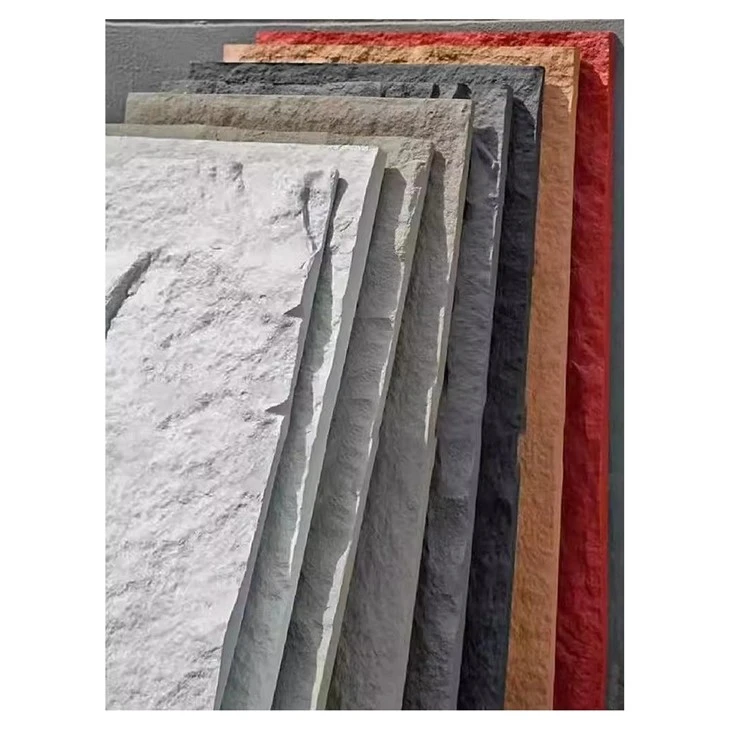
2. Exterior Siding
For exterior applications, the chemical stability of PU stone panels is crucial. They are exposed to the elements, including rain, sunlight, and air pollutants. Chemically stable panels can resist these environmental factors and maintain their structural integrity and appearance. Check out our PU Faux Stone Panels for exterior siding options.
3. Commercial Buildings
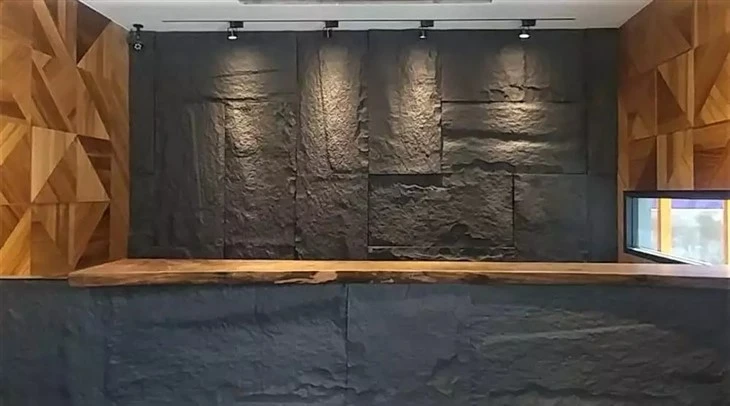
Commercial buildings often require durable and low - maintenance materials. PU stone panels with good chemical stability are an excellent choice for commercial facades, lobbies, and other public areas. Their ability to withstand chemical exposure and maintain their look makes them a practical and aesthetically pleasing option. Our Polyurethane Stone Siding is suitable for a variety of commercial applications.
Ensuring Chemical Stability in Installation and Maintenance
1. Proper Installation
Proper installation is essential for maintaining the chemical stability of PU stone panels. Ensure that the panels are installed in a clean and dry environment, and follow the manufacturer's instructions carefully. Any gaps or improper sealing can allow moisture or chemicals to penetrate the panels, reducing their chemical stability.
2. Regular Maintenance
Regular maintenance can also help to preserve the chemical stability of the panels. Clean the panels with mild detergents and water, and avoid using harsh chemicals or abrasive cleaners. Inspect the panels regularly for any signs of damage or chemical exposure, and address any issues promptly.
Conclusion
In conclusion, the chemical stability of PU stone panels is a critical factor that affects their performance, durability, and aesthetic appeal. As a supplier, we understand the importance of providing high - quality panels with excellent chemical resistance. Whether you're a homeowner looking to renovate your interior or a contractor working on a large - scale commercial project, our Faux Stone Polyurethane Panel, PU Faux Stone Panels, and Polyurethane Stone Siding offer a reliable and stylish solution.
If you're interested in purchasing PU stone panels for your project, we'd love to have a discussion with you. Contact us to start a procurement negotiation and find the best panels for your specific needs.
References
- ASTM International standards on polymer materials
- Journal of Building and Construction Materials research on polyurethane - based building products
- Manufacturer's technical data sheets on PU stone panels