

What is the fire rating of PVC ceiling boards?
Nov 13, 2025
Leave a message
Hey there! As a supplier of PVC ceiling boards, I often get asked about the fire rating of these products. It's a super important topic, especially when it comes to safety in both residential and commercial spaces. So, let's dive right in and explore what the fire rating of PVC ceiling boards is all about.
Understanding Fire Ratings
First off, what exactly is a fire rating? Well, it's a measure of how a material behaves when exposed to fire. Fire ratings help us understand how quickly a material will catch fire, how fast it will spread flames, and how much heat and smoke it will produce. These ratings are determined through standardized tests that simulate real - world fire conditions.
There are different fire rating systems around the world. In the United States, one of the most common systems is the Underwriters Laboratories (UL) ratings. UL 94 is a well - known standard for plastics, which classifies materials based on their flammability. The ratings range from the most flammable (UL 94 HB) to the least flammable (UL 94 V - 0).
In Europe, the Euroclass system is used. It classifies building products into different fire performance classes, such as A1, A2, B, C, D, E, and F, with A1 being non - combustible and F being highly flammable.
Fire Rating of PVC Ceiling Boards
Now, let's talk about PVC ceiling boards specifically. PVC, or polyvinyl chloride, is a type of plastic. Generally, PVC has some inherent fire - resistant properties due to the presence of chlorine in its chemical structure. Chlorine can act as a flame retardant, which means it can slow down the spread of fire.
Most PVC ceiling boards on the market are designed to meet certain fire safety standards. Many of them fall into the category of self - extinguishing materials. This means that once the source of ignition is removed, the PVC ceiling board will stop burning on its own.
However, it's important to note that not all PVC ceiling boards are created equal. The fire rating can vary depending on factors such as the formulation of the PVC, the additives used, and the manufacturing process. Some PVC ceiling boards may have better fire - resistant properties than others.
For example, some high - quality PVC ceiling boards may be treated with additional flame - retardant additives during the manufacturing process. These additives can further improve the fire rating of the boards, making them more suitable for use in areas where fire safety is a top priority, such as hospitals, schools, and commercial buildings.
Factors Affecting the Fire Rating
As I mentioned earlier, several factors can affect the fire rating of PVC ceiling boards. Let's take a closer look at some of these factors:
1. PVC Formulation
The basic formulation of the PVC resin can have a significant impact on its fire performance. Different types of PVC resins may have different levels of chlorine content, which can affect their flame - retardant properties.
2. Additives
Flame - retardant additives are commonly used to improve the fire rating of PVC ceiling boards. These additives can include substances such as antimony trioxide, magnesium hydroxide, and aluminum hydroxide. The type and amount of additives used can vary from one product to another, which can result in different fire ratings.
3. Thickness
The thickness of the PVC ceiling board can also play a role in its fire performance. Thicker boards may take longer to catch fire and may be more resistant to the spread of flames compared to thinner boards.
4. Installation
Proper installation is crucial for ensuring the fire safety of PVC ceiling boards. If the boards are not installed correctly, there may be gaps or spaces between the boards, which can allow fire and smoke to spread more easily.
Benefits of Using Fire - Rated PVC Ceiling Boards
There are several benefits to using fire - rated PVC ceiling boards in your building projects. Here are some of the key advantages:
1. Safety
The most obvious benefit is safety. Fire - rated PVC ceiling boards can help prevent the spread of fire and reduce the risk of injury and property damage in the event of a fire.
2. Compliance
Using fire - rated PVC ceiling boards can help you comply with local building codes and regulations. Many building codes require the use of fire - resistant materials in certain areas, such as stairwells, corridors, and commercial kitchens.
3. Durability
Fire - rated PVC ceiling boards are often more durable than non - fire - rated boards. They can withstand higher temperatures and are less likely to be damaged by fire or heat.
4. Aesthetics
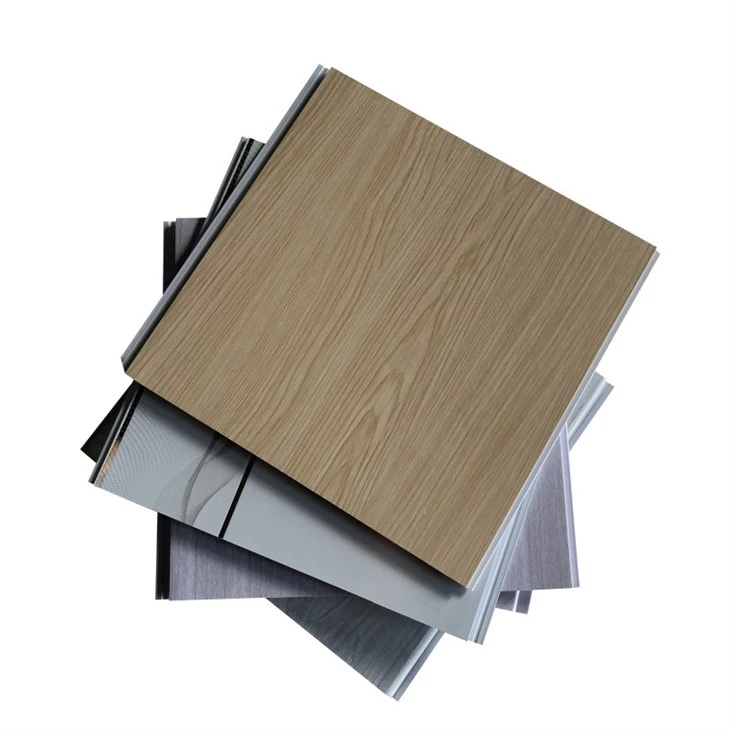
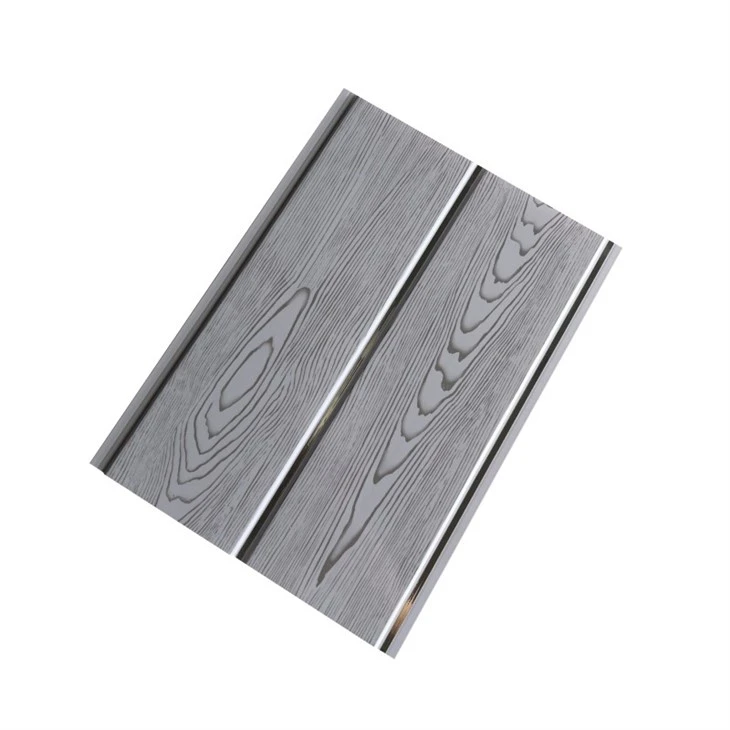
PVC ceiling boards come in a variety of styles and colors, so you can choose a product that not only meets your fire safety requirements but also enhances the aesthetic appeal of your space. You can check out our Glossy PVC Ceiling Panel for a sleek and modern look.
Our PVC Ceiling Board Products
As a PVC ceiling board supplier, we offer a wide range of products with different fire ratings to meet the needs of our customers. Our PVC Ceiling Board and Ceiling Board PVC products are carefully tested and certified to ensure they meet the highest fire safety standards.
We understand that every project is unique, and we're here to help you choose the right PVC ceiling board for your specific requirements. Whether you're working on a residential renovation or a large - scale commercial project, we have the expertise and the products to meet your needs.
Contact Us for Procurement
If you're interested in purchasing our PVC ceiling boards, or if you have any questions about our products and their fire ratings, don't hesitate to get in touch with us. We're always happy to provide you with more information and assist you in making the right choice for your project.
References
- "Fire Testing of Building Materials and Structures" by John G. Quintiere
- "Plastics in Building Construction" by David A. Madsen
- Underwriters Laboratories (UL) Standards for Safety
- Euroclass Fire Classification System