

What is the impact resistance of pvc foam panel?
Jun 26, 2025
Leave a message
As a PVC foam panel supplier, I've witnessed firsthand the diverse applications and growing popularity of these panels across various industries. One crucial aspect that often comes under scrutiny is the impact resistance of PVC foam panels. In this blog, we'll delve deep into what impact resistance means for PVC foam panels, its significance, and how it affects their performance in different settings.
Understanding Impact Resistance
Impact resistance refers to a material's ability to withstand sudden force or shock without significant damage. For PVC foam panels, this characteristic is determined by several factors, including the composition of the PVC material, the density of the foam core, and the manufacturing process.
The PVC resin used in the production of these panels plays a vital role. High - quality PVC resins are formulated to have better molecular structures that can absorb and disperse impact energy. The foam core, on the other hand, acts as a cushion. A well - designed foam structure can compress under impact, reducing the stress transferred to the outer layers of the panel.
Factors Affecting Impact Resistance
1. Density of the Foam Core
The density of the foam core has a direct impact on the panel's ability to resist impacts. Higher - density foam cores generally offer better impact resistance. A denser foam has more material per unit volume, which means it can absorb more energy when subjected to a blow. For example, in applications where the panels are likely to be exposed to accidental bumps or light physical contact, such as in interior wall installations, a medium - to high - density foam core can provide sufficient protection against dents and cracks.
2. Thickness of the Panel
Thicker PVC foam panels typically have better impact resistance. A thicker panel has more material to distribute the impact force. This is especially important in high - traffic areas or industrial settings where the panels may be exposed to more severe impacts. For instance, in a factory environment where machinery movement or the dropping of small objects is common, a thicker PVC foam panel can withstand these impacts better than a thinner one.
3. Surface Treatment
The surface treatment of PVC foam panels can also enhance their impact resistance. Some panels are coated with a protective layer that can absorb or deflect impact energy. This coating can be a clear film or a special paint that adds an extra layer of toughness to the panel's surface. For example, a UV - resistant and impact - resistant coating can not only protect the panel from the sun's rays but also improve its ability to withstand physical impacts.
Importance of Impact Resistance in Different Applications
1. Interior Design
In interior design, impact resistance is crucial for maintaining the aesthetic appeal of the space. PVC foam panels are often used for wall cladding, ceiling panels, and furniture components. In residential settings, children may accidentally bump into the walls, or furniture may be moved around, causing minor impacts. In commercial spaces such as offices and retail stores, there is constant foot traffic and the movement of equipment. A panel with good impact resistance will remain undamaged over time, ensuring that the interior retains its fresh and new look. For example, Wood Veneer Wall Panel Interior made from PVC foam can add a touch of elegance to a room while also being able to withstand daily wear and tear.
2. Exterior Applications
For exterior applications, PVC foam panels are used in building facades, signage, and outdoor furniture. These panels are exposed to various environmental factors such as wind - blown debris, hail, and accidental impacts from people or vehicles. A panel with high impact resistance will be able to withstand these conditions without cracking or breaking. This not only ensures the structural integrity of the installation but also reduces the need for frequent repairs and replacements.
3. Industrial Use
In industrial settings, PVC foam panels are used for partitions, machine guards, and storage unit components. The panels need to be able to withstand the rigors of the industrial environment, including heavy machinery vibrations, the dropping of tools, and the movement of large equipment. High - impact - resistant PVC foam panels can provide a reliable and cost - effective solution for these applications.
Testing the Impact Resistance of PVC Foam Panels
There are several standard tests used to measure the impact resistance of PVC foam panels. One common test is the Izod impact test, which measures the energy required to break a notched specimen of the panel. Another test is the Charpy impact test, which is similar but uses an un - notched specimen. These tests provide quantitative data on the panel's ability to resist impacts, allowing manufacturers and customers to compare different products.
In addition to these standardized tests, real - world testing in actual application scenarios is also important. For example, installing the panels in a test environment that mimics the intended use can provide valuable insights into their long - term performance under impact conditions.
Comparing PVC Foam Panels with Other Materials
When compared to other materials such as wood, metal, and traditional plastic panels, PVC foam panels offer a unique combination of impact resistance, lightweight, and cost - effectiveness. Wood panels can be easily damaged by moisture and insects, and their impact resistance can vary depending on the type of wood. Metal panels are heavy and can be prone to rust, which can affect their long - term performance. Traditional plastic panels may not have the same level of impact resistance as PVC foam panels, especially when it comes to absorbing energy from impacts.
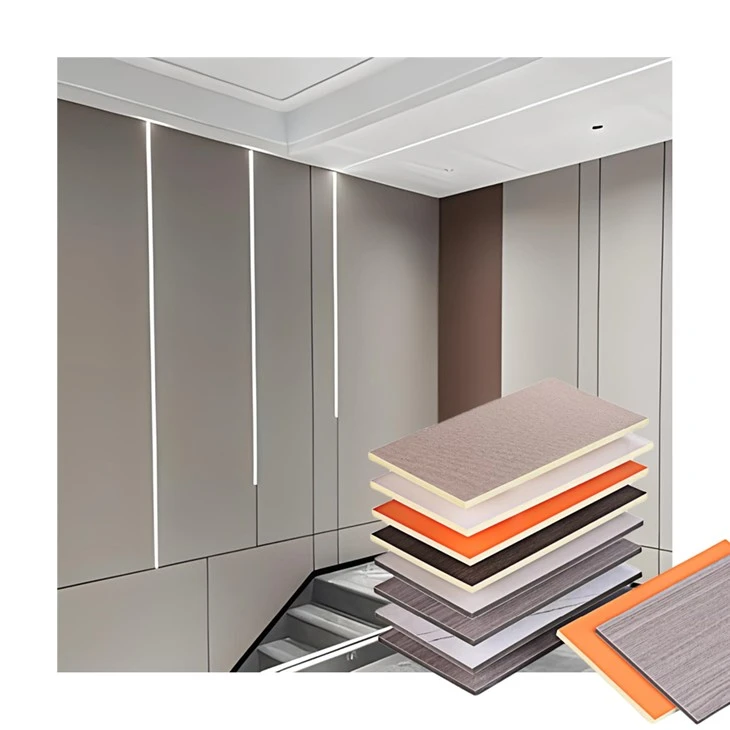
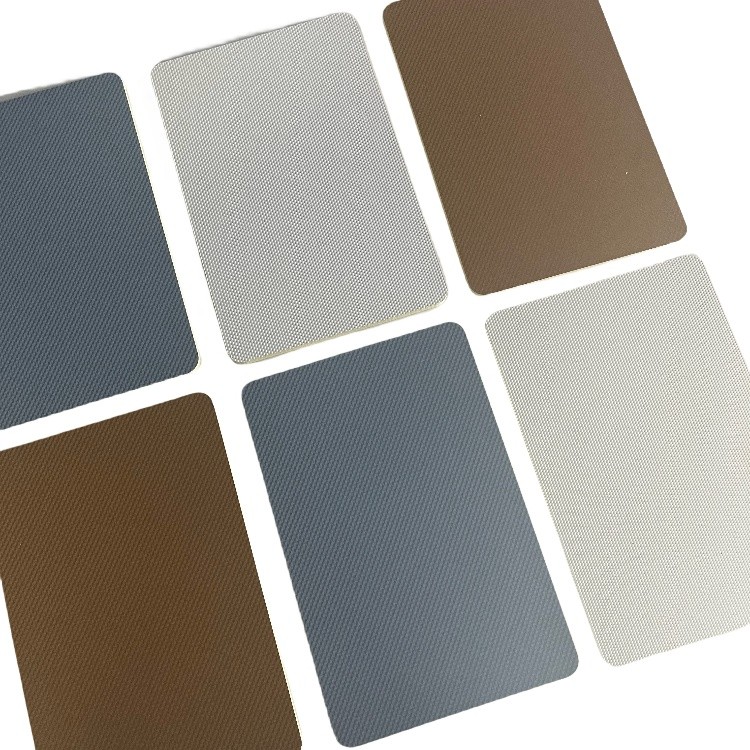
For example, Bamboo Charcoal Wall Panel is an alternative option, but PVC foam panels can offer better impact resistance in some cases, especially in environments where moisture is a concern. Similarly, WPC Wall Panel Bamboo Charcoal Wood Veneer has its own advantages, but PVC foam panels can be more durable when it comes to withstanding physical impacts.
Conclusion
The impact resistance of PVC foam panels is a critical factor that determines their suitability for a wide range of applications. By understanding the factors that affect impact resistance, such as foam core density, panel thickness, and surface treatment, customers can make informed decisions when choosing the right panels for their projects.
As a PVC foam panel supplier, we are committed to providing high - quality panels with excellent impact resistance. Our products are rigorously tested to ensure they meet the highest standards of performance. Whether you are working on an interior design project, an exterior installation, or an industrial application, we have the right PVC foam panels for you.
If you are interested in learning more about our PVC foam panels or would like to discuss your specific requirements, please feel free to contact us. We are here to assist you in finding the perfect solution for your needs and look forward to the opportunity to work with you on your next project.
References
- ASTM International. (Year). Standard Test Methods for Determining the Izod Pendulum Impact Resistance of Plastics.
- ISO (Year). Plastics - Determination of Charpy Impact Properties.
- Various industry reports on the performance of PVC foam panels in different applications.