

What is the moisture - proof property of pvc foam panel?
Dec 18, 2025
Leave a message
What is the moisture - proof property of pvc foam panel?
In the world of construction and interior design, finding materials that are both functional and durable is of utmost importance. One such material that has gained significant popularity in recent years is the PVC foam panel. As a PVC foam panel supplier, I have witnessed firsthand the numerous benefits that these panels offer, especially when it comes to their moisture - proof properties.
Understanding PVC Foam Panels
PVC foam panels are made from polyvinyl chloride (PVC), a synthetic plastic polymer. These panels are created through a foaming process, which results in a lightweight yet sturdy material. The foam structure gives the panels excellent insulation properties, making them suitable for a wide range of applications, from wall and ceiling cladding to furniture manufacturing.
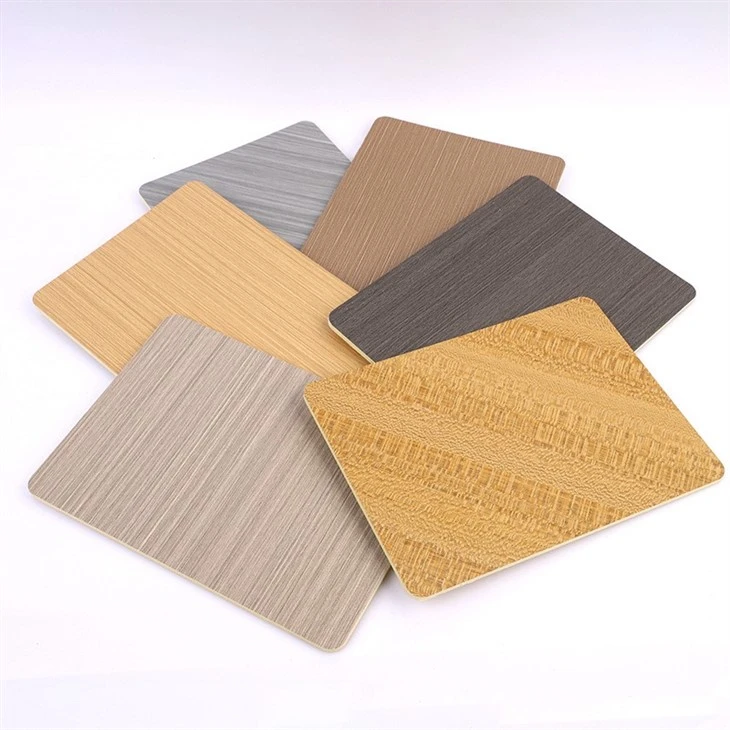
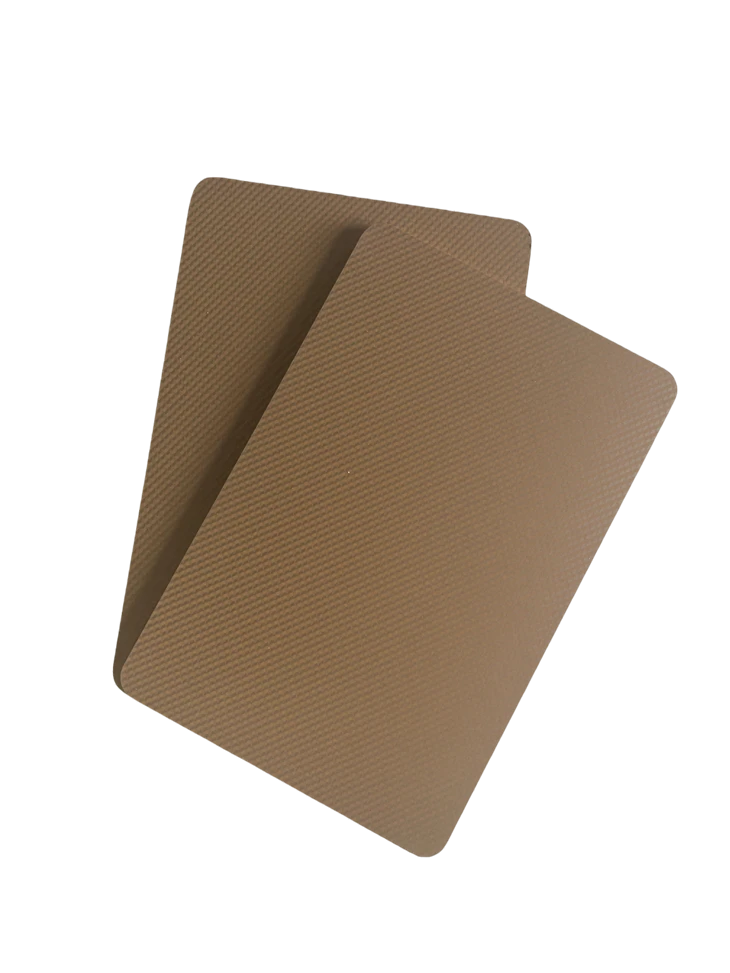
The PVC Foam Panel is known for its smooth surface, which not only looks aesthetically pleasing but also makes it easy to clean and maintain. Additionally, it can be easily cut, shaped, and installed, which makes it a favorite among contractors and DIY enthusiasts alike.
The Moisture - Proof Mechanism of PVC Foam Panels
One of the key features of PVC foam panels is their remarkable moisture - proof property. This property is primarily due to the nature of the PVC material itself. PVC is a non - porous material, which means that it does not absorb water. When exposed to moisture, water simply beads up on the surface of the panel and can be easily wiped away.
Unlike traditional wood - based materials, which can absorb water, swell, and eventually rot when exposed to high humidity or direct water contact, PVC foam panels remain stable. This makes them an ideal choice for areas with high moisture levels, such as bathrooms, kitchens, basements, and laundry rooms.
In addition to the non - porous nature of PVC, the manufacturing process of PVC foam panels also contributes to their moisture - proof ability. During the foaming process, a closed - cell structure is formed within the panel. These closed cells act as a barrier, preventing water from penetrating the interior of the panel. This closed - cell structure also provides additional insulation, helping to keep the indoor environment comfortable.
Advantages of Moisture - Proof PVC Foam Panels
- Longevity: Since PVC foam panels do not absorb water, they are less likely to suffer from water - related damage such as rot, mold, and mildew. This significantly extends their lifespan compared to other materials, reducing the need for frequent replacements and saving costs in the long run.
- Hygiene: In areas where moisture is present, such as bathrooms and kitchens, mold and mildew can grow rapidly on traditional materials. The moisture - proof property of PVC foam panels prevents the growth of these harmful microorganisms, creating a healthier indoor environment.
- Versatility: The ability to withstand moisture makes PVC foam panels suitable for a wide variety of applications. They can be used in both interior and exterior projects, including outdoor signage, where they are exposed to rain and humidity.
- Aesthetic Appeal: PVC foam panels come in a variety of colors, textures, and finishes, allowing for endless design possibilities. Whether you are looking for a modern, minimalist look or a more traditional style, there is a PVC foam panel to suit your needs.
Comparing PVC Foam Panels with Other Moisture - Resistant Materials
When it comes to moisture - resistant materials, there are several options available in the market. Let's compare PVC foam panels with some of the commonly used materials:
- Wood: As mentioned earlier, wood is porous and can absorb water. Even treated wood can eventually succumb to water damage over time. In contrast, PVC foam panels are impervious to water and do not require any special treatment to maintain their moisture - proof property.
- Fiber Cement Boards: While fiber cement boards are also moisture - resistant, they are much heavier than PVC foam panels. This can make them more difficult to handle and install, especially in large - scale projects. PVC foam panels, on the other hand, are lightweight, making them easier to transport and install.
Applications of Moisture - Proof PVC Foam Panels
- Bathrooms and Kitchens: In these areas, where moisture is constantly present, PVC foam panels can be used for wall and ceiling cladding. They not only provide a moisture - proof surface but also add a modern and stylish look to the space.
- Basements: Basements are prone to high humidity and water seepage. PVC foam panels can be installed on the walls to prevent moisture from causing damage to the structure and to create a more comfortable living space.
- Laundry Rooms: The combination of water and heat in laundry rooms can create a humid environment. PVC foam panels can withstand these conditions and are easy to clean, making them an excellent choice for this area.
- Outdoor Signage: Since they are resistant to moisture, PVC foam panels are widely used for outdoor signage. They can withstand rain, snow, and humidity without losing their shape or color.
Complementary Products
In addition to PVC foam panels, we also offer 8mm Bamboo Charcoal Wood Veneer and Bamboo Charcoal Veneer. These products can be combined with PVC foam panels to create unique and beautiful designs. The bamboo charcoal veneer adds a natural and warm touch to the project, while the PVC foam panel provides the durability and moisture - proof property.
Conclusion
In conclusion, the moisture - proof property of PVC foam panels makes them an excellent choice for a wide range of applications. Their non - porous nature and closed - cell structure ensure that they can withstand high humidity and direct water contact without suffering from water - related damage. This not only extends their lifespan but also creates a healthier and more comfortable indoor environment.
If you are interested in learning more about our PVC foam panels or are considering a project that requires a moisture - proof material, we would be more than happy to assist you. Contact us today to discuss your requirements and explore the possibilities of using PVC foam panels in your next project.
References
- "Plastic Materials in Construction" by J. A. Brydson
- "Handbook of PVC Formulating" by Edward J. Wickson