

What is the sound insulation property of flexible ceramic tiles?
Jan 16, 2026
Leave a message
As a supplier of flexible ceramic tiles, I've often been asked about the sound insulation properties of these innovative products. In this blog post, I'll delve into the science behind the sound insulation of flexible ceramic tiles, exploring how they work, their advantages, and how they compare to traditional materials.
Understanding Sound Insulation
Before we discuss the sound insulation properties of flexible ceramic tiles, it's important to understand the basics of sound insulation. Sound is a form of energy that travels through the air in waves. When these waves encounter a material, they can be absorbed, reflected, or transmitted. A good sound - insulating material is one that can effectively reduce the amount of sound transmitted through it.

The sound insulation performance of a material is typically measured in decibels (dB). The higher the decibel reduction, the better the sound insulation. Factors that affect a material's sound - insulating ability include its density, thickness, and internal structure.
How Flexible Ceramic Tiles Provide Sound Insulation
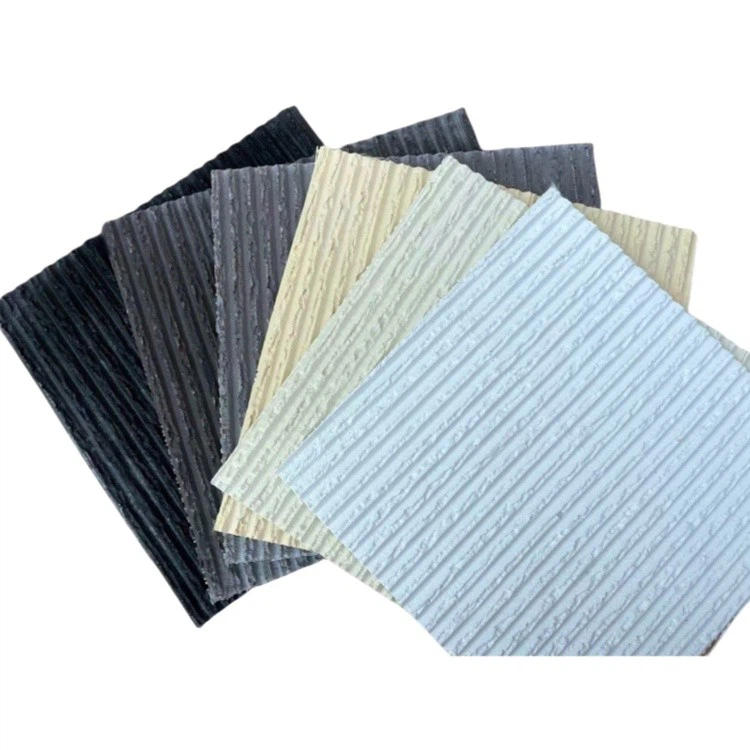
Flexible ceramic tiles are made from a combination of ceramic particles and a flexible polymer matrix. This unique composition gives them several properties that contribute to their sound - insulating capabilities.
Density and Mass
One of the key factors in sound insulation is mass. Generally, the heavier a material is, the better it is at blocking sound. Flexible ceramic tiles have a relatively high density compared to some other flexible materials. The ceramic particles within the tile add mass, which helps to impede the passage of sound waves. When sound waves hit the tile, the mass of the tile causes the waves to lose energy as they try to pass through, resulting in reduced sound transmission.
Internal Structure
The internal structure of flexible ceramic tiles also plays a crucial role in sound insulation. The polymer matrix in the tiles contains small air pockets and irregularities. These air pockets act as buffers for sound waves. When sound waves enter the tile, they bounce around within these air pockets, causing the waves to scatter and lose energy. This scattering effect helps to reduce the intensity of the sound that passes through the tile.
Flexibility
The flexibility of these tiles is another advantage when it comes to sound insulation. Unlike rigid ceramic tiles, flexible ceramic tiles can conform to uneven surfaces. This means that they can be installed more tightly, reducing the gaps where sound could potentially leak through. A tight installation ensures that the sound - blocking properties of the tile are maximized.
Advantages of Flexible Ceramic Tiles for Sound Insulation
Versatility
Flexible ceramic tiles offer a high degree of versatility in terms of installation. They can be used in a variety of settings, including residential homes, commercial buildings, and even vehicles. For example, in a home, they can be installed on walls, floors, or ceilings to reduce noise from outside traffic, neighbors, or household appliances. In a commercial building, they can help create a more peaceful working environment by reducing the transmission of noise between offices or from common areas.
Aesthetics
In addition to their sound - insulating properties, flexible ceramic tiles are also aesthetically pleasing. They come in a wide range of colors, patterns, and textures, allowing them to match any interior design style. This means that you don't have to sacrifice style for sound insulation. You can choose tiles that not only reduce noise but also enhance the overall look of the space.
Easy Installation
Compared to traditional ceramic tiles, flexible ceramic tiles are much easier to install. They can be cut with a regular utility knife, which makes them suitable for DIY projects. The ease of installation also means that less time and labor are required, resulting in cost savings.
Comparison with Traditional Sound - Insulating Materials
Traditional Ceramic Tiles
Traditional ceramic tiles are rigid and heavy, which gives them some sound - insulating properties. However, they are difficult to install on uneven surfaces, and any gaps in the installation can significantly reduce their sound - blocking effectiveness. In contrast, flexible ceramic tiles can be installed more tightly, providing better overall sound insulation.
Fiberglass Insulation
Fiberglass insulation is a commonly used sound - insulating material. While it is effective at reducing sound transmission, it has some drawbacks. Fiberglass can be irritating to the skin and lungs if not handled properly, and it may require professional installation. Flexible ceramic tiles, on the other hand, are safer to handle and can be easily installed by the homeowner.
Acoustic Panels
Acoustic panels are designed specifically for sound insulation. They are often used in recording studios and theaters. However, they can be expensive and may not be as aesthetically versatile as flexible ceramic tiles. Flexible ceramic tiles offer a more cost - effective and visually appealing alternative for sound insulation in a variety of settings.
Applications of Flexible Ceramic Tiles for Sound Insulation
Residential Applications
In residential settings, flexible ceramic tiles can be used in bedrooms, living rooms, and home theaters. In bedrooms, they can help block out noise from the street or other parts of the house, ensuring a more peaceful night's sleep. In home theaters, they can enhance the audio experience by reducing external noise and preventing sound from leaking out.
Commercial Applications
In commercial buildings, flexible ceramic tiles can be used in offices, conference rooms, and restaurants. In offices, they can reduce distractions from neighboring workspaces, improving productivity. In conference rooms, they can ensure clear communication by preventing outside noise from interfering with meetings. In restaurants, they can create a more comfortable dining environment by reducing noise levels.
Automotive Applications
Flexible ceramic tiles can also be used in the automotive industry. They can be installed inside the vehicle to reduce road noise and engine noise, providing a quieter and more comfortable driving experience.
Conclusion
In conclusion, flexible ceramic tiles offer excellent sound insulation properties due to their density, internal structure, and flexibility. They provide a versatile, aesthetically pleasing, and easy - to - install solution for sound insulation in a wide range of applications. Whether you're looking to create a peaceful home environment, a productive workspace, or a quiet automotive interior, flexible ceramic tiles are a great choice.
If you're interested in learning more about our Flexible Wall Tile, Flexible Ceramic Tile, or Flexible Porcelain Tile products and their sound insulation capabilities, or if you're ready to start a procurement negotiation, please don't hesitate to reach out. We're here to provide you with the best solutions for your sound insulation needs.
References
- "Sound Insulation Basics" - Building Science Corporation
- "Materials for Sound Insulation" - Journal of Acoustical Society of America
- "Advances in Flexible Building Materials" - Construction and Building Materials Journal