

What is the wear resistance of pvc foam panel?
Oct 30, 2025
Leave a message
What is the wear resistance of pvc foam panel?
As a supplier of PVC foam panels, I often get asked about the wear resistance of these versatile materials. Wear resistance is a crucial factor, especially in applications where the panels are subject to regular friction, abrasion, or contact. In this blog post, I'll delve into what wear resistance means for PVC foam panels, the factors that influence it, and how it impacts different applications.
Understanding Wear Resistance
Wear resistance refers to a material's ability to withstand damage caused by mechanical action, such as rubbing, scraping, or impact. For PVC foam panels, good wear resistance means that the surface can maintain its integrity and appearance over time, even when exposed to various forms of wear. This is important not only for the aesthetic appeal of the panels but also for their functionality and longevity.
Factors Affecting the Wear Resistance of PVC Foam Panels
- Material Composition
- The base PVC resin used in the foam panel plays a significant role in wear resistance. High - quality PVC resins are more resistant to abrasion. Additionally, the additives incorporated into the PVC, such as stabilizers, lubricants, and impact modifiers, can enhance the overall durability of the panel. For example, some impact modifiers can improve the panel's ability to resist scratches and dents.
- Density
- Generally, higher - density PVC foam panels tend to have better wear resistance. A denser panel has a more compact structure, which provides more resistance against mechanical forces. However, it's important to note that increasing density also affects other properties of the panel, such as its weight and cost.
- Surface Treatment
- The surface finish of the PVC foam panel can greatly influence its wear resistance. Panels with a smooth, hard - coated surface are more resistant to scratches and abrasion compared to those with a rough or porous surface. Some manufacturers apply special surface treatments, such as UV - resistant coatings or anti - scratch films, to further enhance the wear resistance and protect the panel from environmental factors.
Testing Wear Resistance
There are several standardized tests used to measure the wear resistance of PVC foam panels. One common test is the Taber abrasion test. In this test, a rotating abrasive wheel is applied to the surface of the panel under a specific load, and the amount of material lost after a certain number of rotations is measured. Another test is the scratch resistance test, where a stylus of a known force is drawn across the panel's surface to determine its ability to resist scratching.
Applications and Wear Resistance Requirements
- Interior Decoration
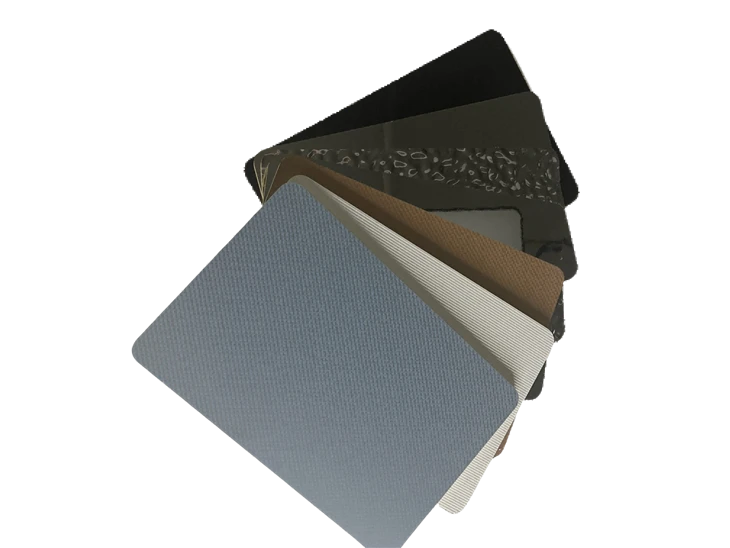
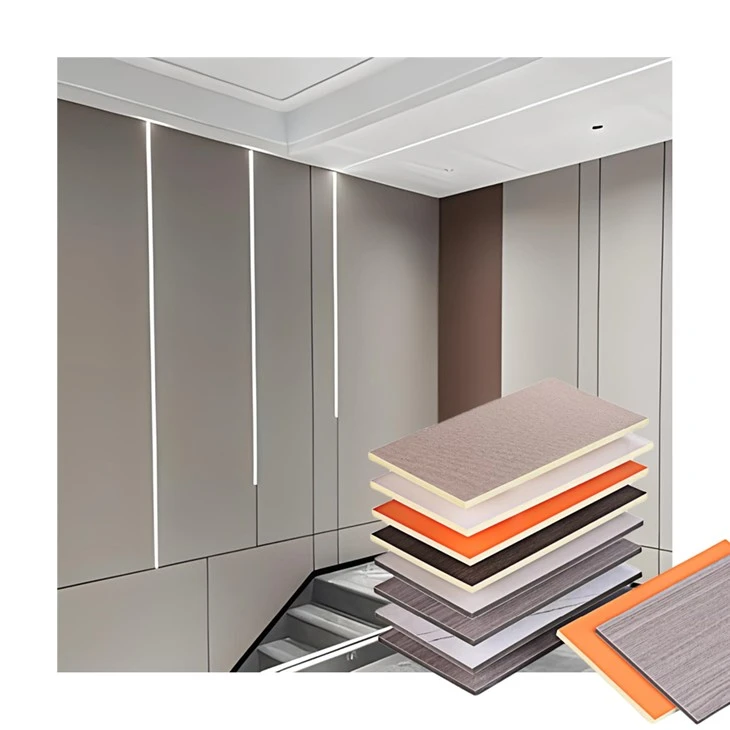
- In interior decoration, PVC foam panels are often used for wall cladding, ceiling panels, and furniture. For these applications, moderate wear resistance is usually sufficient. However, in high - traffic areas such as hallways or commercial spaces, panels with higher wear resistance are preferred. Our 8mm Bamboo Charcoal Wood Veneer PVC foam panels are a great choice for interior decoration. They not only offer a beautiful wood - like appearance but also have good wear resistance to withstand normal daily use.
- Exterior Applications
- When used outdoors, PVC foam panels need to have excellent wear resistance. They are exposed to harsher conditions, including sunlight, rain, wind, and physical impacts from debris. For example, in exterior wall cladding or outdoor signage, panels must be able to resist fading, cracking, and abrasion. Our Bamboo Charcoal Veneer PVC foam panels are designed with enhanced wear resistance for exterior applications, thanks to their special surface treatments and high - quality materials.
- Industrial Applications
- In industrial settings, PVC foam panels are used in various applications, such as machine guards and workbench surfaces. These panels are subject to heavy wear and tear, including constant friction from moving parts and potential impacts from tools. High - wear - resistant PVC foam panels are essential in these environments. Our WPC Wall Panel Bamboo Charcoal Wood Veneer is a suitable option for industrial applications, providing both durability and functionality.
Benefits of High Wear Resistance PVC Foam Panels
- Longevity
- Panels with high wear resistance have a longer service life. This means that customers don't have to replace the panels as frequently, resulting in cost savings in the long run.
- Aesthetic Appeal
- A panel that can maintain its surface appearance over time looks better. Whether it's in an interior or exterior application, a scratch - free and well - preserved panel enhances the overall aesthetic of the space.
- Reduced Maintenance
- High - wear - resistant panels require less maintenance. They are less likely to show signs of damage, so there's no need for frequent cleaning or repair work.
Conclusion
The wear resistance of PVC foam panels is a complex property influenced by material composition, density, and surface treatment. Understanding the wear resistance requirements of different applications is crucial for choosing the right panel. As a PVC foam panel supplier with years of experience, we offer a wide range of panels with varying levels of wear resistance to meet the diverse needs of our customers.
If you're interested in learning more about our PVC foam panels or have specific requirements for your project, we encourage you to contact us for a detailed discussion. Our team of experts is ready to assist you in selecting the most suitable panels for your application.
References
- ASTM International. (20XX). Standard test methods for abrasion resistance of organic coatings by the Taber abrader.
- ISO. (20XX). International standards for testing the scratch resistance of plastics.