

Are flexible tiles slip - resistant?
Jul 08, 2025
Leave a message
Are flexible tiles slip-resistant? That's a question I get asked a lot as a flexible tile supplier. I've been in this business for quite a while, and I've seen all sorts of customer concerns. Slip resistance is a big deal, especially in areas where water might be present, like bathrooms, kitchens, and pool decks. So, let's dive into this topic and find out if flexible tiles are up to the task.
First off, let's talk about what flexible tiles are. They're a relatively new player in the tile market. Unlike traditional tiles, which are hard and rigid, flexible tiles can bend and curve. This makes them super versatile. You can use them on all sorts of surfaces, even ones that aren't completely flat. There are different types of flexible tiles, like Flexible Wall Tile, Flexible Porcelain Tile, and Flexible Ceramic Tile. Each type has its own unique features, but they all share that flexibility.
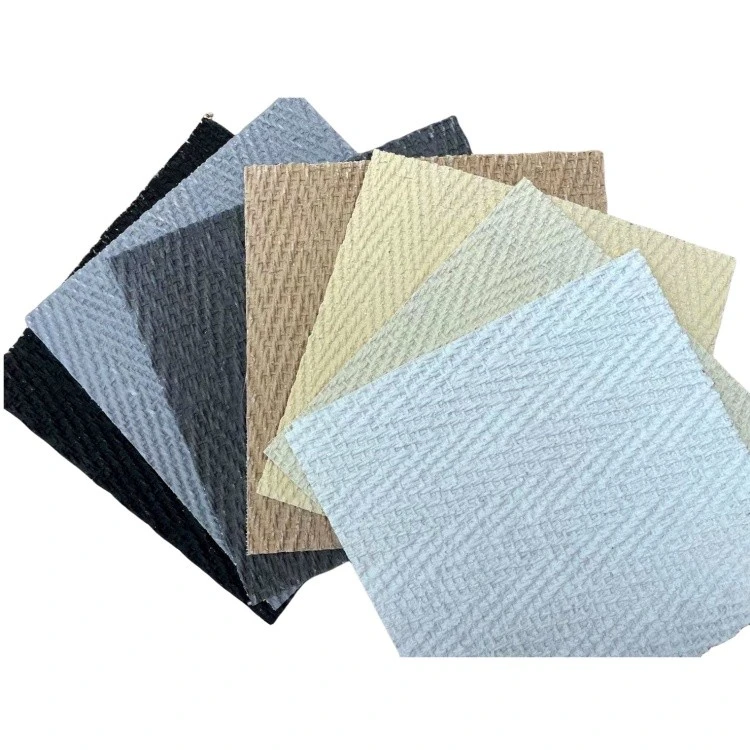
Now, back to the main question: are they slip-resistant? Well, the answer isn't a simple yes or no. It depends on a few factors. One of the most important factors is the surface texture of the tile. Just like with traditional tiles, flexible tiles can come with different surface finishes. Some have a smooth finish, which might not be as slip-resistant, especially when wet. On the other hand, tiles with a textured or rough finish are generally more slip-resistant.
Manufacturers are aware of the need for slip resistance, especially in areas prone to moisture. That's why many flexible tiles are designed with anti-slip properties. They might use special materials or manufacturing processes to create a surface that provides better traction. For example, some tiles have tiny bumps or ridges on the surface. These features help to increase friction between the tile and the sole of your shoe, reducing the risk of slipping.
Another factor to consider is the environment where the tiles will be installed. If you're using flexible tiles in a bathroom, for instance, you'll want to make sure they can handle the constant exposure to water. Some flexible tiles are treated with special coatings that make them more water-resistant and slip-resistant. These coatings can help to prevent water from pooling on the surface, which is a major cause of slips.
But it's not just about the tile itself. How the tiles are installed also plays a role in their slip resistance. If the tiles aren't installed correctly, there might be gaps or uneven surfaces, which can increase the risk of slipping. That's why it's important to hire a professional installer who knows how to work with flexible tiles. They'll make sure the tiles are laid evenly and securely, so you can enjoy a safe and slip-resistant floor or wall.
Let's take a closer look at the different types of flexible tiles and their slip resistance. Flexible Wall Tile is often used in areas where you might not expect slips to be a big issue, like on walls. However, if the wall is in a bathroom or near a sink, there could still be some moisture. In these cases, it's a good idea to choose a wall tile with a textured finish. This will help to prevent any water that splashes onto the wall from making it slippery.
Flexible Porcelain Tile is known for its durability and strength. Many porcelain tiles, whether flexible or not, are designed to be slip-resistant. They often have a high coefficient of friction, which means they provide good traction. This makes them a great choice for high-traffic areas like kitchens and hallways.
Flexible Ceramic Tile is another popular option. Ceramic tiles can come in a wide range of finishes, from smooth to textured. If you're looking for slip resistance, go for a ceramic tile with a matte or textured finish. These finishes are less likely to become slippery when wet.
It's also worth mentioning that there are standards and tests for slip resistance. In many countries, there are specific requirements for tiles used in public buildings and areas where safety is a concern. These tests measure the coefficient of friction of the tile surface. A higher coefficient of friction means better slip resistance. When you're choosing flexible tiles, it's a good idea to look for ones that meet these standards.

So, to sum it up, flexible tiles can be slip-resistant, but it depends on the type of tile, its surface texture, the environment it's used in, and how it's installed. As a flexible tile supplier, I always recommend that my customers do their research and choose the right tile for their needs. If you're not sure which tile is the best option for you, don't hesitate to reach out to me. I'm here to help you make an informed decision.
If you're interested in purchasing flexible tiles for your next project, whether it's a home renovation or a commercial space, I'd love to talk to you. We have a wide range of flexible tiles in different styles, colors, and finishes. We can work together to find the perfect tile that meets your slip resistance requirements and your design preferences. Contact me today to start the conversation and get a quote.
References
- "Tile Installation Handbook" by The Tile Council of North America
- "Safety Standards for Flooring Materials" by the International Building Code