

Is pvc foam panel environmentally friendly?
Jul 08, 2025
Leave a message
Is PVC Foam Panel Environmentally Friendly?
As a supplier of PVC foam panels, I often encounter questions from customers regarding the environmental friendliness of our products. This topic is not only crucial for those who are environmentally conscious but also for businesses aiming to meet sustainable development goals. In this blog post, I will delve into the environmental aspects of PVC foam panels, exploring their pros and cons from a scientific perspective.
Understanding PVC Foam Panels
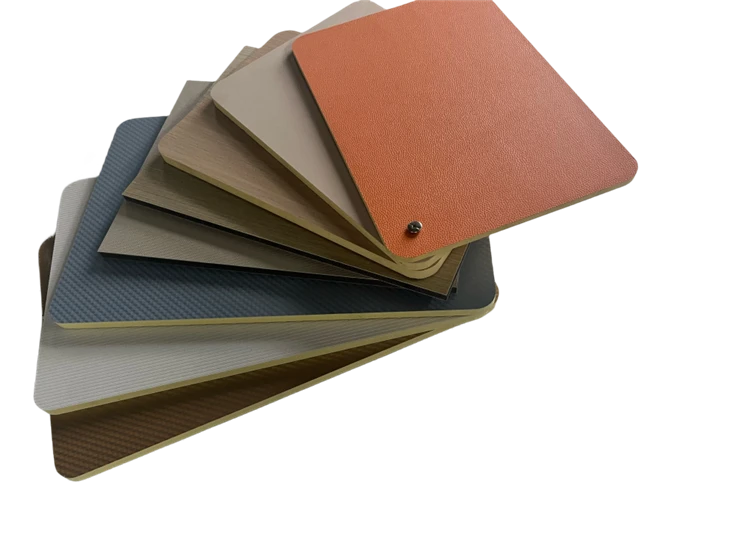
PVC, or polyvinyl chloride, is a widely used plastic material known for its durability, versatility, and cost - effectiveness. PVC foam panels are made by adding foaming agents to PVC resin during the manufacturing process, which creates a lightweight, rigid, and porous structure. These panels are used in a variety of applications, including signage, construction, furniture, and interior decoration.
Advantages of PVC Foam Panels in Terms of the Environment
1. Energy Efficiency
One of the significant environmental benefits of PVC foam panels is their energy - efficient manufacturing process. Compared to traditional building materials such as wood, metal, or concrete, the production of PVC foam panels requires less energy. The lower energy consumption during manufacturing results in a reduced carbon footprint. Additionally, the lightweight nature of PVC foam panels means less energy is needed for transportation, further contributing to energy savings.
2. Durability and Longevity
PVC foam panels are highly durable and resistant to moisture, chemicals, and UV rays. This durability means that products made from PVC foam panels have a longer lifespan compared to many other materials. For example, in outdoor signage applications, PVC foam panels can withstand harsh weather conditions for years without significant deterioration. By lasting longer, they reduce the need for frequent replacements, which in turn reduces waste generation.
3. Recyclability
PVC is a recyclable material, and PVC foam panels can be recycled at the end of their useful life. Recycling PVC foam panels helps to conserve natural resources and reduce the amount of plastic waste sent to landfills. Many recycling facilities are equipped to handle PVC, and the recycled PVC can be used to produce new products, including new PVC foam panels.
Disadvantages of PVC Foam Panels from an Environmental Standpoint
1. Chemical Composition
PVC contains chlorine, and during its production, processing, and disposal, there is a risk of releasing harmful chemicals such as dioxins and phthalates. Dioxins are highly toxic and can have serious environmental and health impacts, including damage to the immune system, reproductive system, and endocrine system. Phthalates, on the other hand, are used as plasticizers in PVC to make it more flexible, and some phthalates have been linked to adverse health effects, especially in children.
2. Incineration Issues
If PVC foam panels are incinerated, they can release toxic fumes, including dioxins and hydrochloric acid. These toxic emissions can pollute the air and have negative impacts on human health and the environment. Therefore, proper disposal methods must be followed to avoid these harmful emissions.
3. Microplastic Pollution
Over time, PVC foam panels can break down into microplastics, especially when exposed to mechanical stress or environmental factors. Microplastics are tiny plastic particles that can enter the environment, including water bodies and soil. They can have harmful effects on aquatic life and ecosystems, as well as potentially entering the food chain and affecting human health.
Addressing the Environmental Concerns
1. Responsible Manufacturing
As a PVC foam panel supplier, we are committed to responsible manufacturing practices. We ensure that our production processes comply with strict environmental regulations to minimize the release of harmful chemicals. For example, we use phthalate - free plasticizers in our PVC foam panels to reduce the potential health risks associated with phthalates.
2. Proper Disposal and Recycling
We educate our customers about the proper disposal and recycling of PVC foam panels. We encourage them to recycle their used PVC foam panels at authorized recycling facilities to prevent environmental pollution. Additionally, we are exploring partnerships with recycling companies to make the recycling process more accessible and efficient for our customers.
3. Innovation in Product Design
We are constantly investing in research and development to improve the environmental performance of our PVC foam panels. For example, we are exploring the use of bio - based additives and alternative raw materials to reduce the reliance on traditional PVC and minimize the environmental impact of our products.
Comparing PVC Foam Panels with Other Similar Products
When considering the environmental friendliness of PVC foam panels, it is useful to compare them with other similar products. For example, WPC Wall Panel Bamboo Charcoal Wood Veneer and WPC Wall Panel Bamboo Charcoal Board are also popular in the construction and decoration industries. These WPC (wood - plastic composite) products combine wood fibers with plastic, offering a more natural look. However, they may have different environmental profiles. WPC products are often more biodegradable than PVC foam panels, but they may also require more maintenance and have a shorter lifespan in some applications. On the other hand, 5mm Bamboo Charcoal Wood Veneer is a natural - looking option, but it may be more susceptible to moisture and pests compared to PVC foam panels.
Conclusion
The question of whether PVC foam panels are environmentally friendly is not straightforward. While they have several environmental advantages such as energy efficiency, durability, and recyclability, they also have some drawbacks related to their chemical composition and potential for pollution. As a supplier, we are taking steps to mitigate the negative environmental impacts of our products through responsible manufacturing, proper disposal and recycling initiatives, and continuous innovation.
If you are interested in learning more about our PVC foam panels or would like to discuss potential procurement opportunities, we welcome you to contact us. We are committed to providing high - quality, environmentally - conscious PVC foam panel solutions to meet your needs.
References
- European PVC Industry (VinylPlus). (2023). PVC Recycling. Retrieved from VinylPlus official publications.
- Plastics Europe. (2023). The State of the European Plastics Industry. Plastics Europe annual report.
- Environmental Protection Agency (EPA). (2023). Plastic Recycling Basics. EPA official website.