

Are there any anti - fungal outdoor wall panels?
Jun 30, 2025
Leave a message
As a supplier of outdoor wall panels, I often encounter inquiries from customers regarding the availability of anti - fungal outdoor wall panels. This topic is not only relevant but also crucial, especially for those looking to enhance the longevity and aesthetic appeal of their outdoor spaces. In this blog post, I'll delve into the world of outdoor wall panels, exploring whether anti - fungal options exist and their significance in outdoor settings.
The Importance of Anti - Fungal Properties in Outdoor Wall Panels
Outdoor environments are constantly exposed to various weather conditions, including rain, humidity, and sunlight. These elements create an ideal breeding ground for fungi, such as mold and mildew. Fungi not only pose a threat to the structural integrity of the wall panels but also to the health of the occupants. Mold, for instance, can release spores into the air, which can cause allergic reactions, respiratory problems, and other health issues.
Moreover, the presence of fungi on outdoor wall panels can significantly diminish their visual appeal. Unsightly black or green patches can make a once - beautiful exterior look shabby and unkempt. Therefore, having anti - fungal properties in outdoor wall panels is essential for both functional and aesthetic reasons.
Types of Outdoor Wall Panels and Their Anti - Fungal Capabilities
Wood Plastic Composite (WPC) Wall Panels
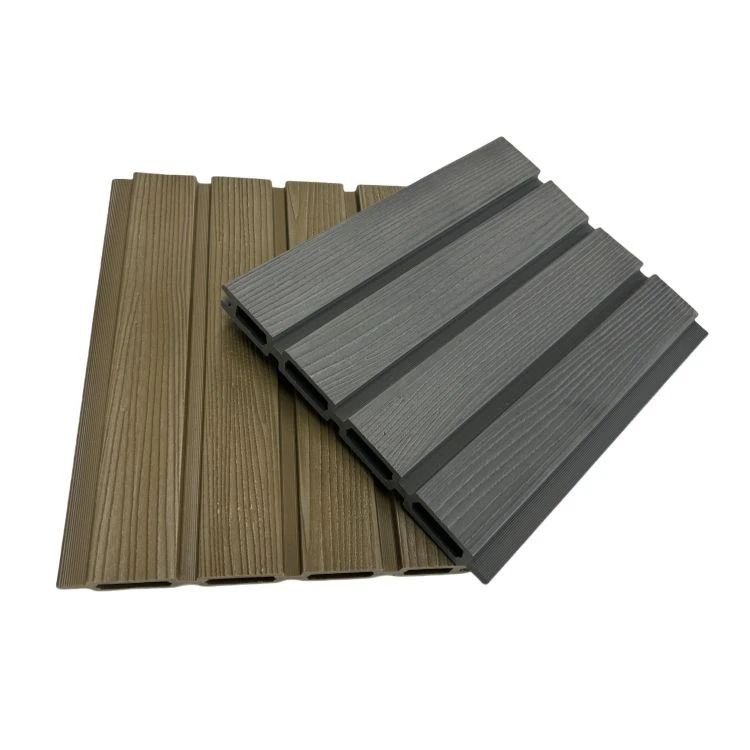
WPC wall panels are a popular choice for outdoor applications. They are made by combining wood fibers and thermoplastics, offering the best of both worlds - the natural look of wood and the durability of plastic.
One of the key advantages of Outdoor WPC Wall Panel is their inherent resistance to fungi. The plastic component in WPC panels acts as a barrier, preventing moisture from penetrating the material. Since fungi thrive in moist environments, reducing moisture infiltration significantly reduces the risk of fungal growth.
Additionally, many manufacturers treat WPC panels with anti - fungal agents during the production process. These agents further enhance the panels' resistance to mold and mildew, ensuring long - term protection. WPC Exterior Wall Panel and Exterior WPC Wall Panel are often designed with these anti - fungal features in mind, making them suitable for a wide range of outdoor projects.
Natural Stone Wall Panels
Natural stone wall panels are known for their timeless beauty and durability. However, their anti - fungal capabilities vary depending on the type of stone. Some dense stones, such as granite, are relatively resistant to fungi due to their low porosity. Porosity refers to the amount of open space within the stone, and lower porosity means less moisture absorption.
On the other hand, more porous stones like limestone and sandstone are more susceptible to fungal growth. To mitigate this risk, stone panels can be treated with sealants that have anti - fungal properties. These sealants create a protective layer on the surface of the stone, preventing moisture and fungi from entering the pores.
Metal Wall Panels
Metal wall panels, such as aluminum and steel, are highly resistant to fungi. Metals do not provide a suitable environment for fungal growth as they do not contain organic matter that fungi can feed on. Additionally, metal panels are often coated with protective finishes that further enhance their durability and resistance to environmental factors.
However, it's important to note that metal panels can still be affected by corrosion, especially in humid or coastal areas. Regular maintenance, such as cleaning and repainting, is necessary to ensure their long - term performance.
Factors Affecting Anti - Fungal Performance
Environmental Conditions
The climate and location of the outdoor space play a significant role in determining the anti - fungal performance of wall panels. Areas with high humidity, frequent rainfall, or limited sunlight are more prone to fungal growth. In such environments, it is crucial to choose wall panels with strong anti - fungal properties and take additional preventive measures, such as proper ventilation.
Installation and Maintenance
Proper installation is essential for ensuring the anti - fungal performance of wall panels. Gaps or improper sealing during installation can allow moisture to penetrate the panels, increasing the risk of fungal growth. Additionally, regular maintenance, including cleaning and inspection, is necessary to detect and address any signs of fungal growth early.
Choosing the Right Anti - Fungal Outdoor Wall Panels
When selecting anti - fungal outdoor wall panels, consider the following factors:
Resistance Level
Look for panels that have been tested and certified for their anti - fungal performance. Manufacturers often provide information on the level of resistance their panels offer, which can help you make an informed decision.
Aesthetic Appeal
The panels should not only be functional but also enhance the overall look of your outdoor space. Choose a style, color, and texture that complements the existing architecture and design.
Cost - Effectiveness
While anti - fungal panels may be more expensive upfront, they can save you money in the long run by reducing the need for frequent repairs and replacements. Consider the overall cost of the panels, including installation and maintenance, when making your choice.

Conclusion
In conclusion, there are indeed anti - fungal outdoor wall panels available in the market. Wood plastic composite panels, natural stone panels (with appropriate treatments), and metal panels all offer varying degrees of resistance to fungi. By understanding the factors that affect anti - fungal performance and choosing the right panels for your specific needs, you can ensure a long - lasting and beautiful outdoor space.
If you're interested in purchasing high - quality anti - fungal outdoor wall panels, I encourage you to reach out to me. I can provide you with detailed information about our product range, help you choose the right panels for your project, and assist with the procurement process. Let's work together to create an outdoor space that is not only functional but also free from the threat of fungal growth.
References
- ASTM International. (20XX). Standard test methods for evaluating the resistance of building materials to fungi.
- National Association of Home Builders. (20XX). Guide to outdoor building materials and their performance.
- Wood Plastic Composite Manufacturers Association. (20XX). Technical guidelines for WPC outdoor wall panels.