

How to install PVC ceiling boards in a corridor?
Jun 27, 2025
Leave a message
Installing PVC ceiling boards in a corridor can significantly enhance the aesthetic appeal and functionality of the space. As a reputable PVC ceiling board supplier, I've witnessed firsthand how these boards can transform a dull corridor into an inviting passageway. In this guide, I'll walk you through the step - by - step process of installing PVC ceiling boards in a corridor, from preparation to the final touches.
1. Planning and Preparation
Before you start the installation process, it's crucial to plan carefully. First, measure the length and width of the corridor ceiling accurately. This will help you determine the number of PVC ceiling boards you need. Consider purchasing a few extra boards to account for any cutting errors or future replacements.
Next, inspect the ceiling surface. Ensure it is clean, dry, and free of any debris, dust, or loose paint. If there are any uneven areas, you may need to use a leveling compound to create a smooth base. This step is essential as an uneven surface can cause the PVC ceiling boards to look uneven once installed.
You'll also need to gather the necessary tools for the installation. These include a measuring tape, a saw (either a hand saw or a power saw depending on your preference and the thickness of the boards), a drill, screws, a spirit level, a staple gun, and a ladder.
2. Choosing the Right PVC Ceiling Boards
As a PVC ceiling board supplier, I offer a wide range of options to suit different needs and preferences. For a corridor, you may want to consider Cheap PVC Ceiling, which provides an affordable yet stylish solution. If you're looking for a more contemporary look, Cheap Black PVC Ceiling Panel can add a touch of elegance. And if the corridor is near a bathroom or a damp area, Cheap PVC Bathroom Ceiling is a great choice as it is moisture - resistant.
When selecting the boards, pay attention to the quality. Look for boards that are made from high - grade PVC, as they will be more durable and long - lasting. Also, consider the size and pattern of the boards. Larger boards can reduce the number of joints, giving the ceiling a more seamless appearance.
3. Installing the Furring Strips
Furring strips are wooden or metal strips that are attached to the ceiling to provide a framework for the PVC ceiling boards. They help to level the ceiling and provide a solid surface for the boards to be attached to.
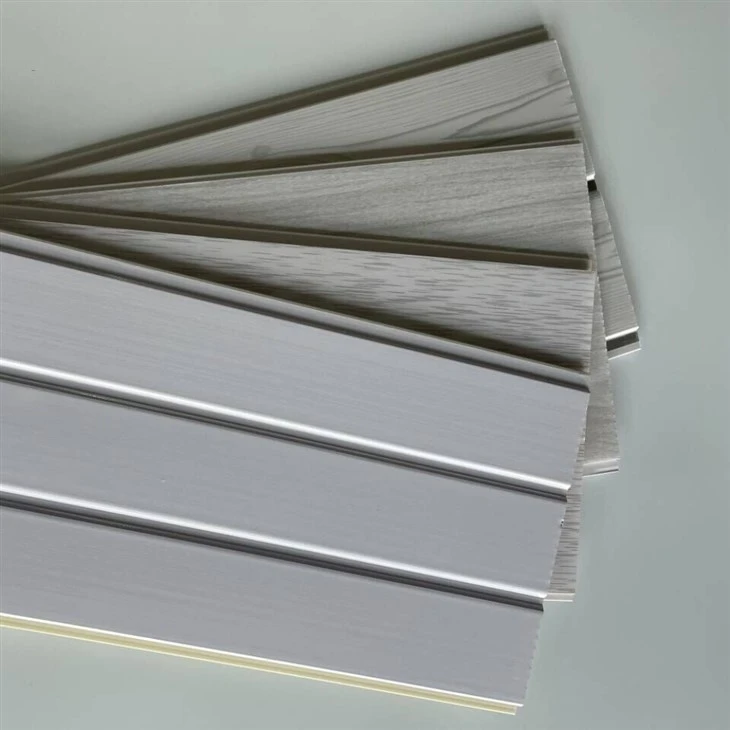

First, measure and mark the positions of the furring strips on the ceiling. The strips should be placed parallel to each other, typically 400 - 600mm apart. Use a spirit level to ensure the marks are straight.
Next, drill holes into the ceiling at the marked positions and insert wall plugs. Then, attach the furring strips to the ceiling using screws. Make sure the strips are firmly attached and level. You can use a spirit level to check the levelness of each strip as you install it.
4. Cutting the PVC Ceiling Boards
Once the furring strips are in place, it's time to cut the PVC ceiling boards to the appropriate size. Measure the distance between the furring strips and mark the boards accordingly. Use a saw to cut the boards. When cutting, make sure to wear safety goggles and gloves to protect yourself from any flying debris.
If you need to cut curves or irregular shapes, you can use a jigsaw. Take your time and make accurate cuts to ensure a proper fit.
5. Installing the PVC Ceiling Boards
Start installing the PVC ceiling boards from one end of the corridor. Align the first board with the furring strips and use a staple gun or screws to attach it to the strips. Make sure the board is firmly attached and there are no gaps between the board and the furring strips.
As you install each subsequent board, align it with the previous one. Use a tongue - and - groove system (if available) to connect the boards together. This will create a tight and seamless joint. Continue installing the boards until the entire ceiling is covered.
If there are any gaps between the boards or around the edges, you can use PVC trim to cover them. PVC trim is available in various shapes and sizes and can be easily cut and installed to give the ceiling a finished look.
6. Finishing Touches
After all the PVC ceiling boards are installed, inspect the ceiling for any loose boards or gaps. Tighten any loose screws or staples and fill any gaps with a suitable filler.
Clean the surface of the PVC ceiling boards using a mild detergent and a soft cloth. This will remove any dirt or fingerprints and make the ceiling look shiny and new.
7. Maintenance Tips
PVC ceiling boards are relatively low - maintenance. To keep them looking their best, regularly dust the ceiling with a soft brush or a microfiber cloth. If there are any stains, you can clean them with a mild detergent and water. Avoid using abrasive cleaners or sharp objects that can scratch the surface of the boards.
Why Choose Our PVC Ceiling Boards?
As a PVC ceiling board supplier, we are committed to providing high - quality products at competitive prices. Our boards are made from the finest materials, ensuring durability and long - lasting performance. We also offer a wide range of colors, patterns, and sizes to meet the diverse needs of our customers.
Whether you're a homeowner looking to renovate your corridor or a contractor working on a commercial project, our PVC ceiling boards are a great choice. We have a team of experts who can provide you with professional advice and support throughout the installation process.
Contact Us for Purchasing
If you're interested in purchasing our PVC ceiling boards for your corridor or any other project, we'd love to hear from you. Our team is ready to assist you with product selection, pricing, and installation guidance. We strive to provide the best customer service and ensure your satisfaction.
Please feel free to reach out to us with your inquiries. We look forward to partnering with you on your next project.
References
- "Home Improvement Handbook" - A comprehensive guide on various home improvement projects, including ceiling installations.
- Manufacturer's guidelines for PVC ceiling boards. These guidelines provide detailed information on the installation and maintenance of the specific products.
- Industry standards for ceiling installations, which ensure the safety and quality of the installation.